
Travel Information
Travel to Namibia
When to visit
Namibia can be visited at any time of year. In terms of temperature and
rainfall, the best time to visit is the southern hemisphere winter, which runs from May to September. But the summer months of November to March have their advantages, not least that the country’s main attractions tend to be significantly less busy.
Visas and paperwork
US passport-holders who visit Namibia for tourism for up to 90 days can obtain a visa free-of-charge upon arrival at Windhoek’s Hosea Kutako International Airport or any overland border.
Did You Know?
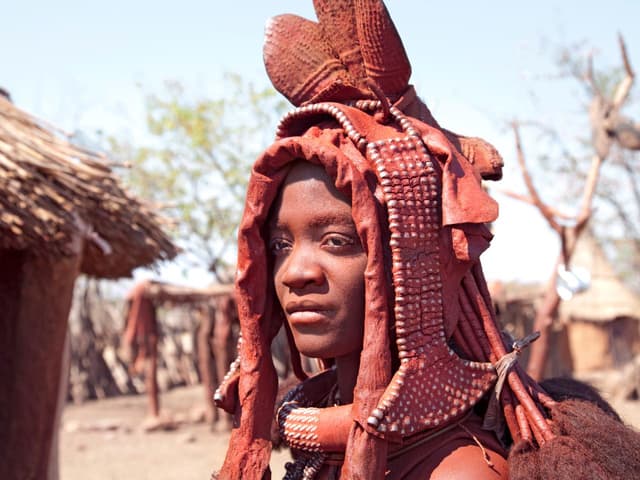
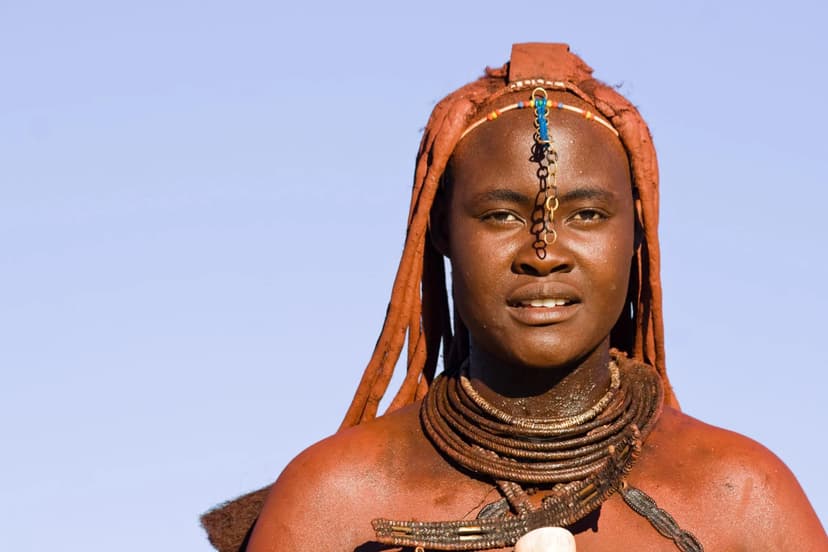
A visit to a Himba encampment should be undertaken in a spirit of cultural sensitivity, ideally accompanied by a guide who speaks the local language. It is important to seek permission before you enter an encampment, and to ask before taking photographs, a privilege for which you will be expected to pay.
Highlights
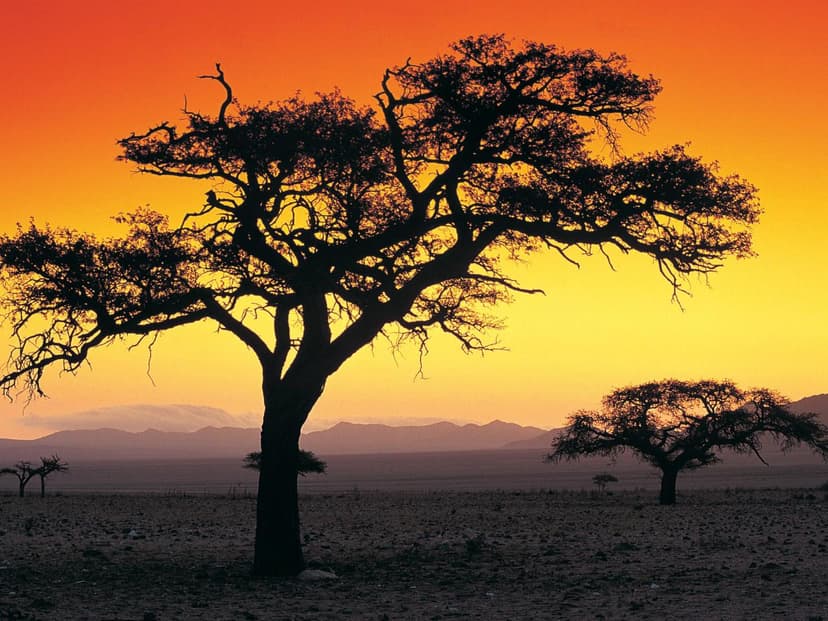
The scenic centerpiece of Africa’s largest national park, Sossusvlei is a magnificent
clay pan hemmed in by the world’s tallest dunefield. Even more photogenic, with
its skeleton forest of long-dead camelthorns, is nearby Doodvlei.
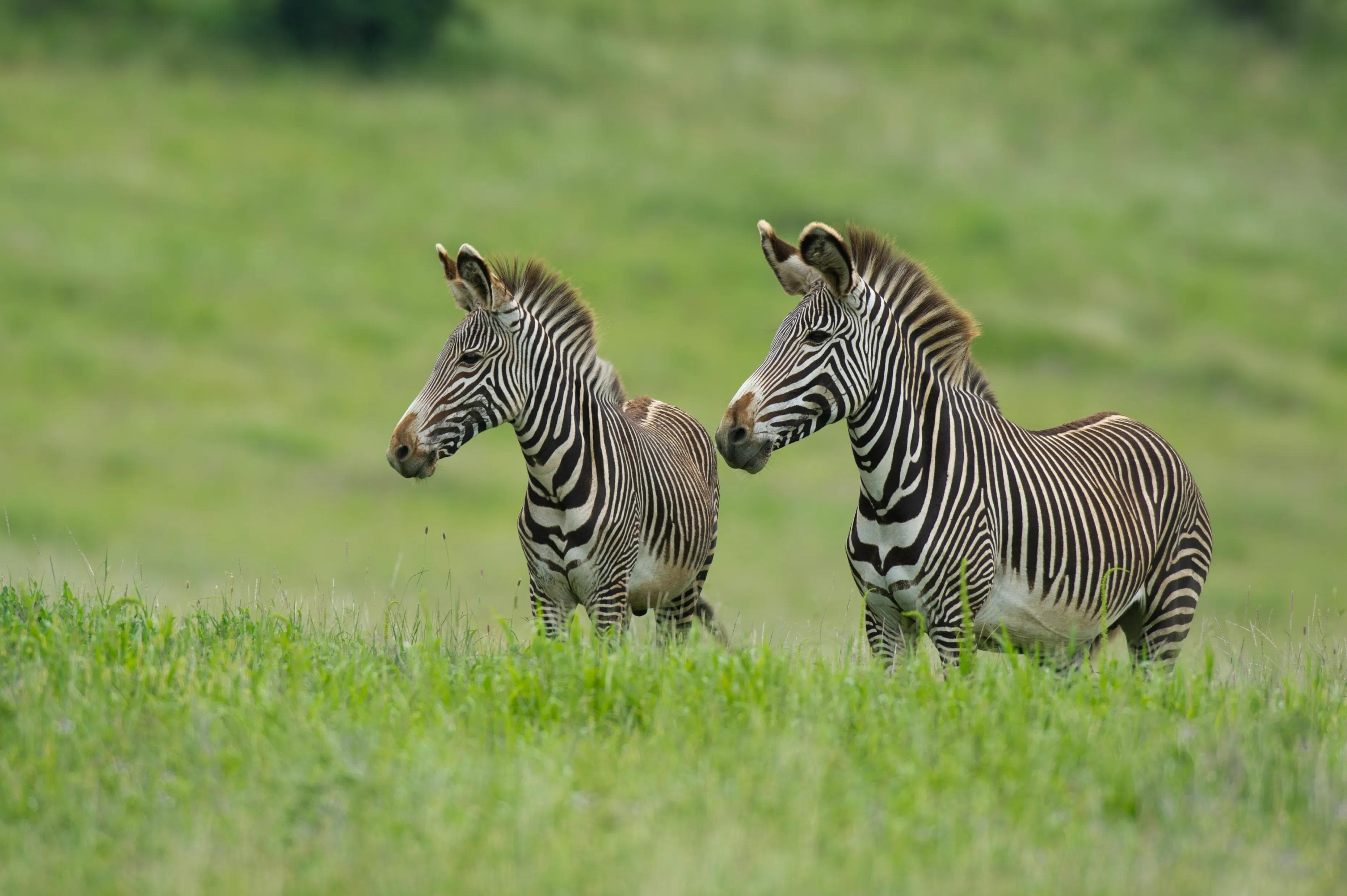
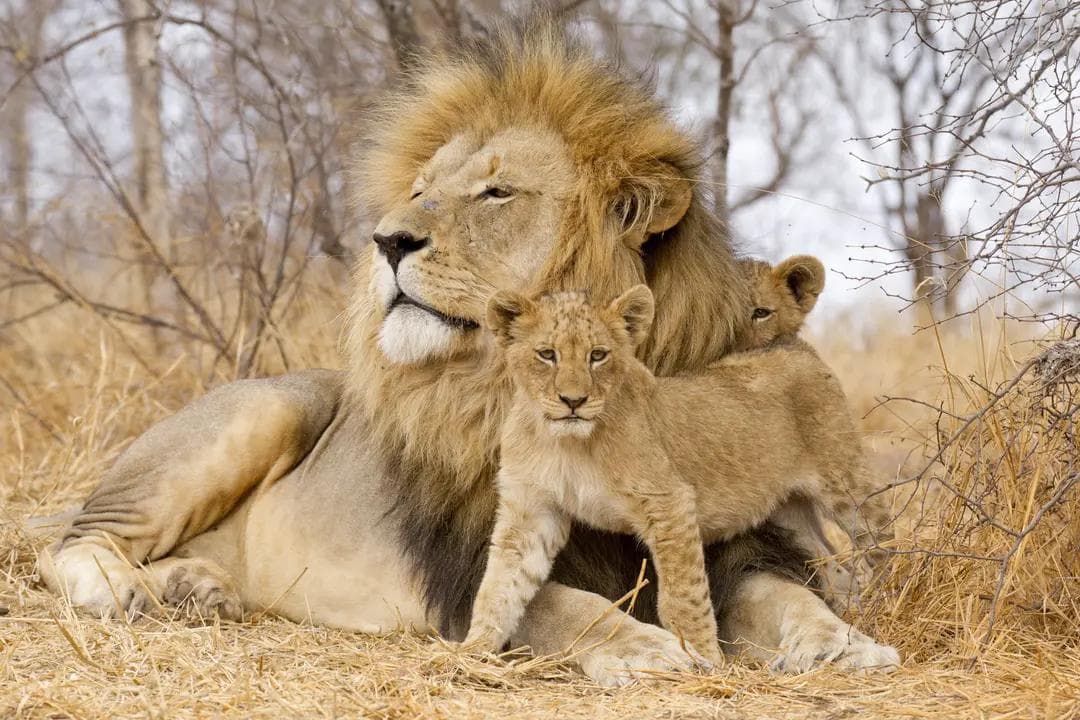
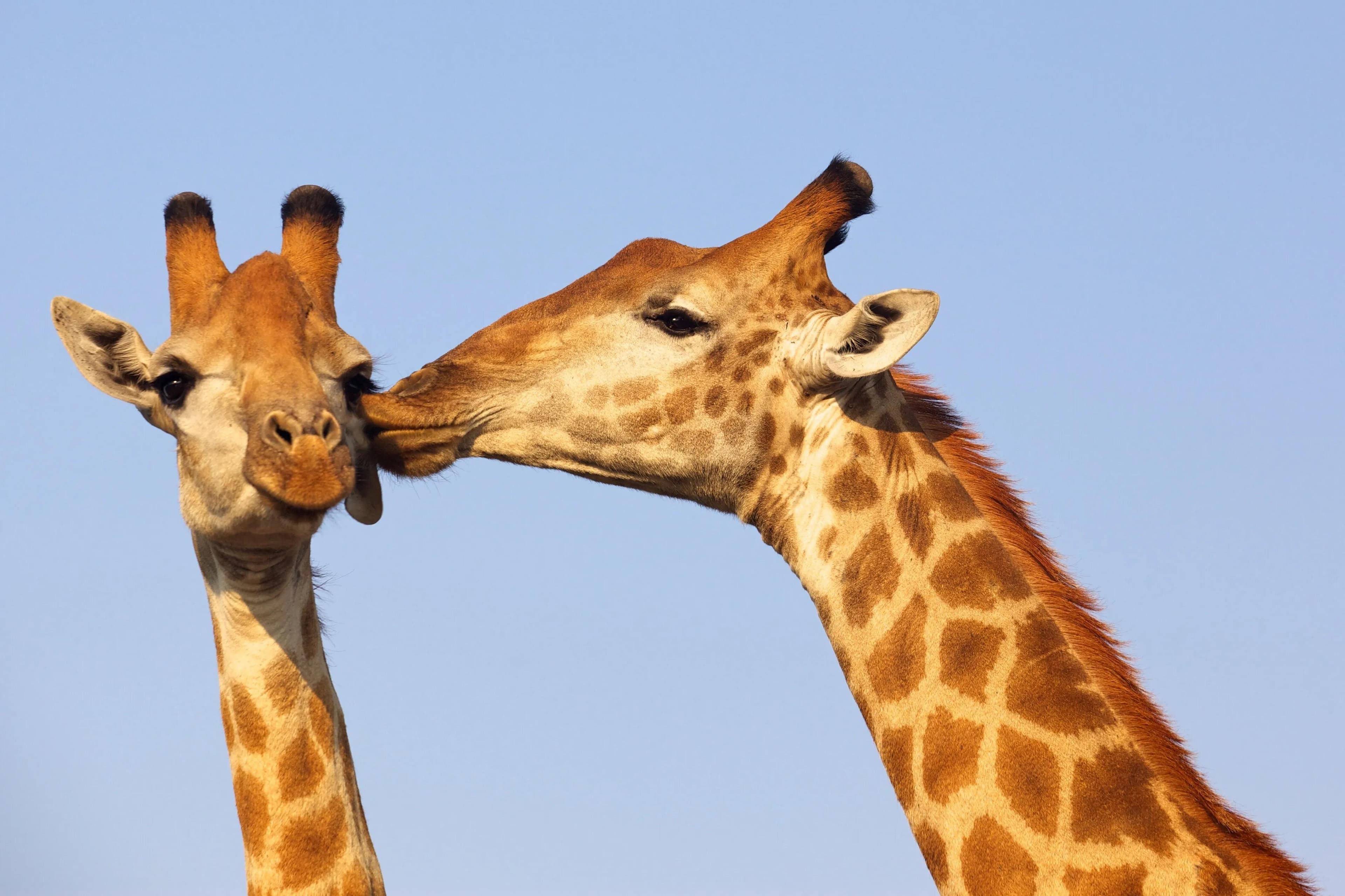
One of Africa’s truly great self-drive safari destinations, the 8,600-square-mile
Etosha National Park is home to more than 100 mammal species, including lion,
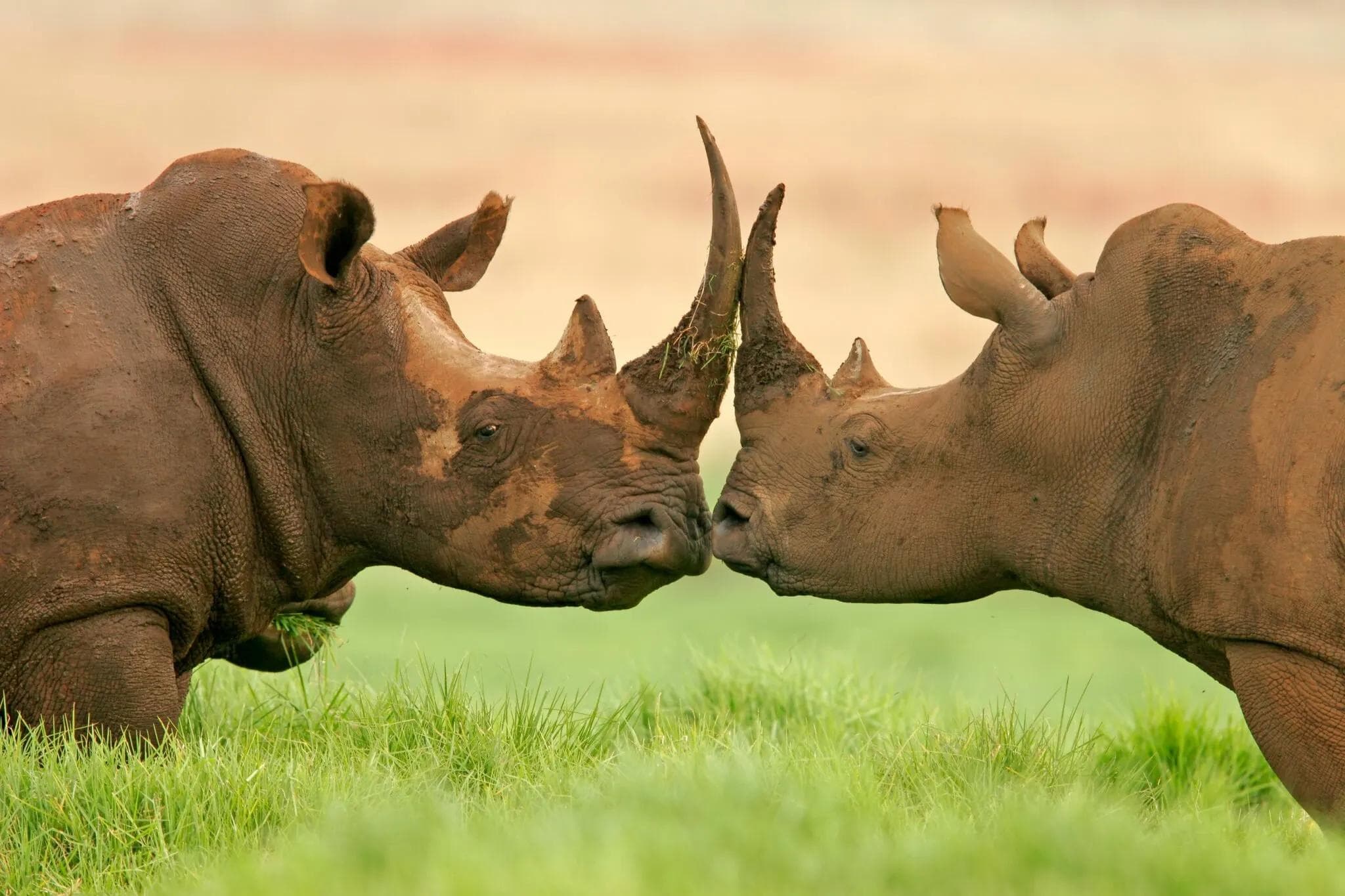
leopard, elephant, black rhino, giraffe, zebra, blue wildebeest and the very rare
black-faced impala.
An unexpected urban gem, the port of Swakopmund is notable for its Bavarian
architecture and as a base for a wide range of adventure activities as well as day
excursions to the 200,000-strong seal colony at Cape Cross.
The remote northwest of Namibia offers a wealth of opportunities for adventurous
travel. Highlights include the well-preserved 5,000-year-old rock art at
Twyfelfontein, the desert-adapted elephants and rhinos of Damaraland, and the
traditionalist Himba pastoralists that live alongside the Kunene River.
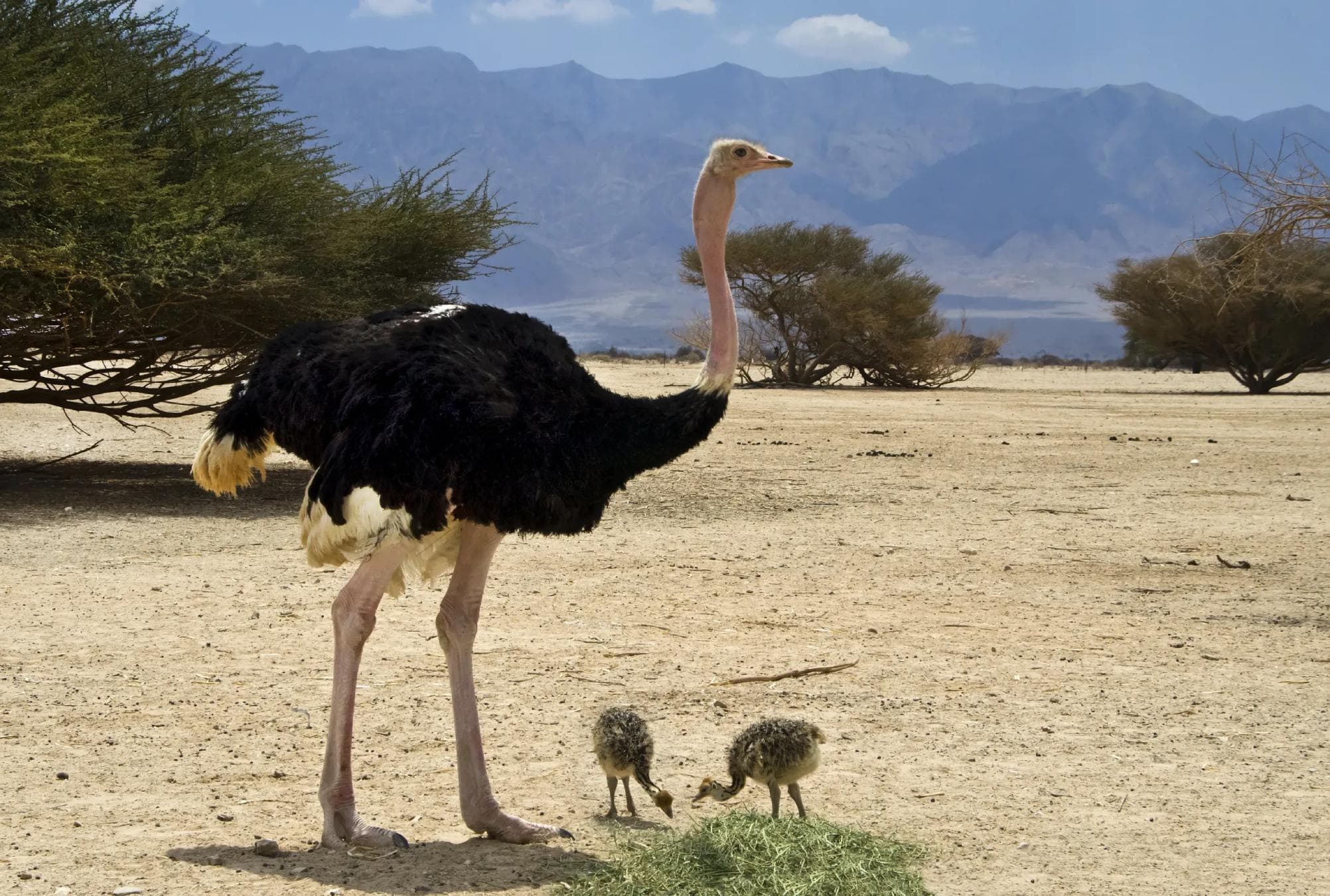
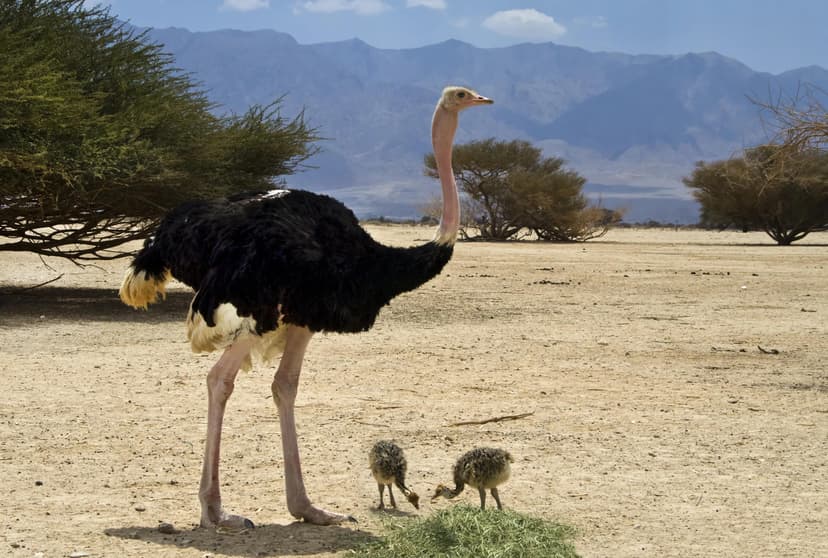
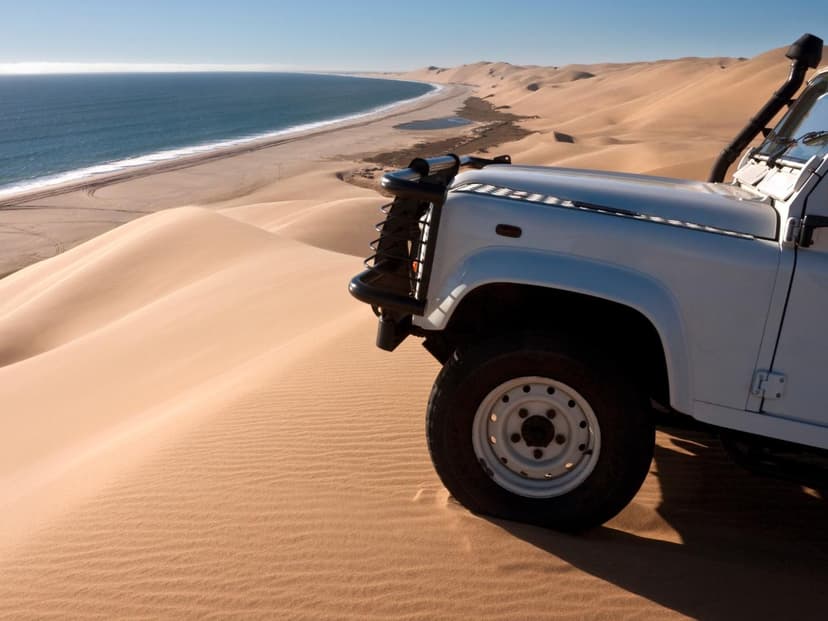
The world’s second most sparsely populated country, Namibia is renowned for its wide open desert landscapes, which include curvaceous apricot sand dunes, starkly imposing mountains, and a compellingly inhospitable Atlantic coastline. Although Namibia is not primarily about wildlife, it boasts one truly exceptional safari destination in the form of Etosha, and is also home to a fascinating array of unique desert-adapted creatures. The country is particularly suited to independent-minded self-drivers, as well as to repeat Africa visitors looking for something other than a conventional beach-and-bush vacation.
Photo Highlights
Practical Information
Practical Stuff
Getting there
Several European, Middle Eastern and African carriers operate flights between the USA and Windhoek’s Hosea Kutako International Airport (WDH). It is also possible to fly into South Africa’s OR Tambo International airport (JNB), the busiest flight hub anywhere in southern Africa. Plenty of flights connect OR Tambo to Windhoek, and those who intend to explore southern Namibia could think about driving there in a rental vehicle.
Health and safety
Namibia is a safe and healthy destination. Malaria is entirely absent
south of Windhoek, and by comparison to most parts of tropical Africa, the risk of catching this disease is relatively low in the north, especially during the dry winter months. Crime is a potential issue in Windhoek, where you should avoid walking around after dark, but otherwise not something you need worry about greatly.
Itineraries
* Pricing is based on a group of 4 guests traveling together, and with each guest sharing accommodations with one other guest (i.e. double occupancy). Also, the cost per person will vary depending on the season / month of travel – for example, pricing will be higher during dates between Christmas Eve & New Year’s Day, as well as during other peak travel times.
What’s on the Menu
Namibia’s cuisine reflects its desert landscapes, German colonial heritage, and rich wildlife. Guests can enjoy local specialties such as game meats—springbok, kudu, or oryx—grilled to perfection, fresh Atlantic seafood along the Skeleton Coast, and traditional staples like pap (maize porridge) served with flavorful stews.
German influence appears in freshly baked breads, pretzels, schnitzels, and decadent pastries, while African traditions contribute hearty one-pot dishes and locally grown produce. Many lodges pair meals with fine South African wines or locally brewed beers for a complete dining experience.
For those who prefer familiar flavors, are always available, from omelets and fresh fruit at breakfast to pasta, poultry, and vegetarian options for lunch and dinner. Special dietary needs are readily catered for with advance notice.
Explore Other Destinations
Namibia Travel Questions
When is the best time to visit Namibia?
The dry season (May–October) is ideal for wildlife viewing in Etosha, as animals gather at waterholes.
The desert regions of Sossusvlei are accessible year-round, though summer months (November–March) can be very hot.
Namibia’s climate is generally dry with clear skies and excellent photography conditions.
Is Namibia suitable for luxury travelers?
Yes. Namibia offers world-class desert lodges featuring:
- Panoramic dune views
- Private plunge pools
- Elevated architectural design
- Scenic helicopter transfers
- Exclusive-use villas
Luxury in Namibia emphasizes privacy, design, and dramatic natural surroundings.
Can Namibia be combined with other destinations?
Yes. Namibia pairs well with:
- South Africa (Cape Town + safari)
- Botswana (Okavango Delta)
- Victoria Falls
Cross-border itineraries create diverse Southern Africa journeys.
Is Namibia good for wildlife safaris?
Yes — though the experience differs from East Africa.
Namibia is known for:
- Desert-adapted elephants
- Black rhinos
- Large lion populations in Etosha
- Exceptional waterhole photography
Wildlife viewing often centers around waterholes, creating predictable and high-quality sightings.