
Travel Information
Travel to Botswana
When to visit
July to October is best for wildlife viewing in the popular Okavango Delta and Chobe National Park. Central Kalahari, Nxai Pan and Makgadikgadi Pans come to their own between December and March.
Visas and paperwork
US citizens do not require a visa to enter Botswana, provided they have a valid passport and do not spend more than 90 days in the country within a 12-month period.
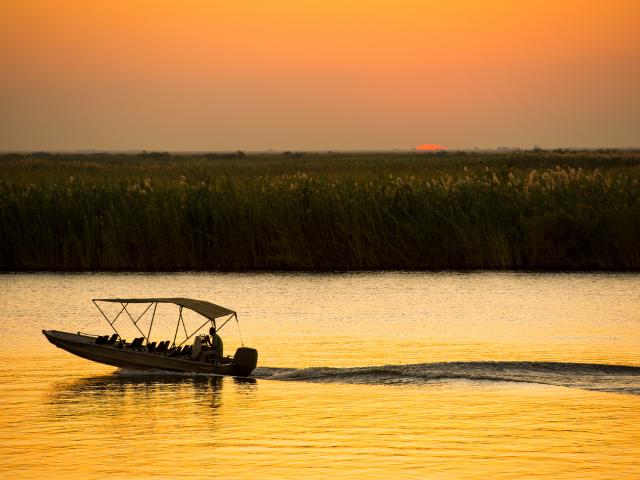
Chobe National Park River
Did You Know?
Chobe National Park is a key component in the Kavango–Zambezi Transfrontier Conservation Area, a vast unfenced tract of wilderness that spans five different countries and is almost three times larger than Texas, extending across a total area of 200,000 square miles, including Botswana’s Okavango Delta, Zimbabwe’s Hwange National Park, Zambia’s Kafue National Park, Namibia’s Caprivi Strip, Angola’s Mavinga National Park and the world-famous Victoria Falls.
Highlights
Botswana’s most alluring safari destination, the Okavango Delta is a 5,800-square-mile wetland wilderness dense with elephants, buffaloes, hippos and birds. Dugout trips through the central delta are truly thrilling, while game drives in Moremi Game Reserve offer the opportunity to tick the Big Five.
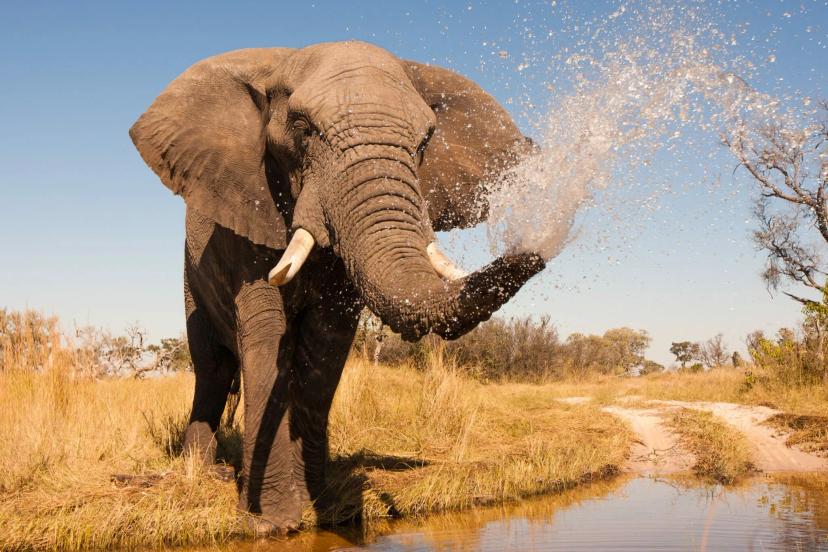
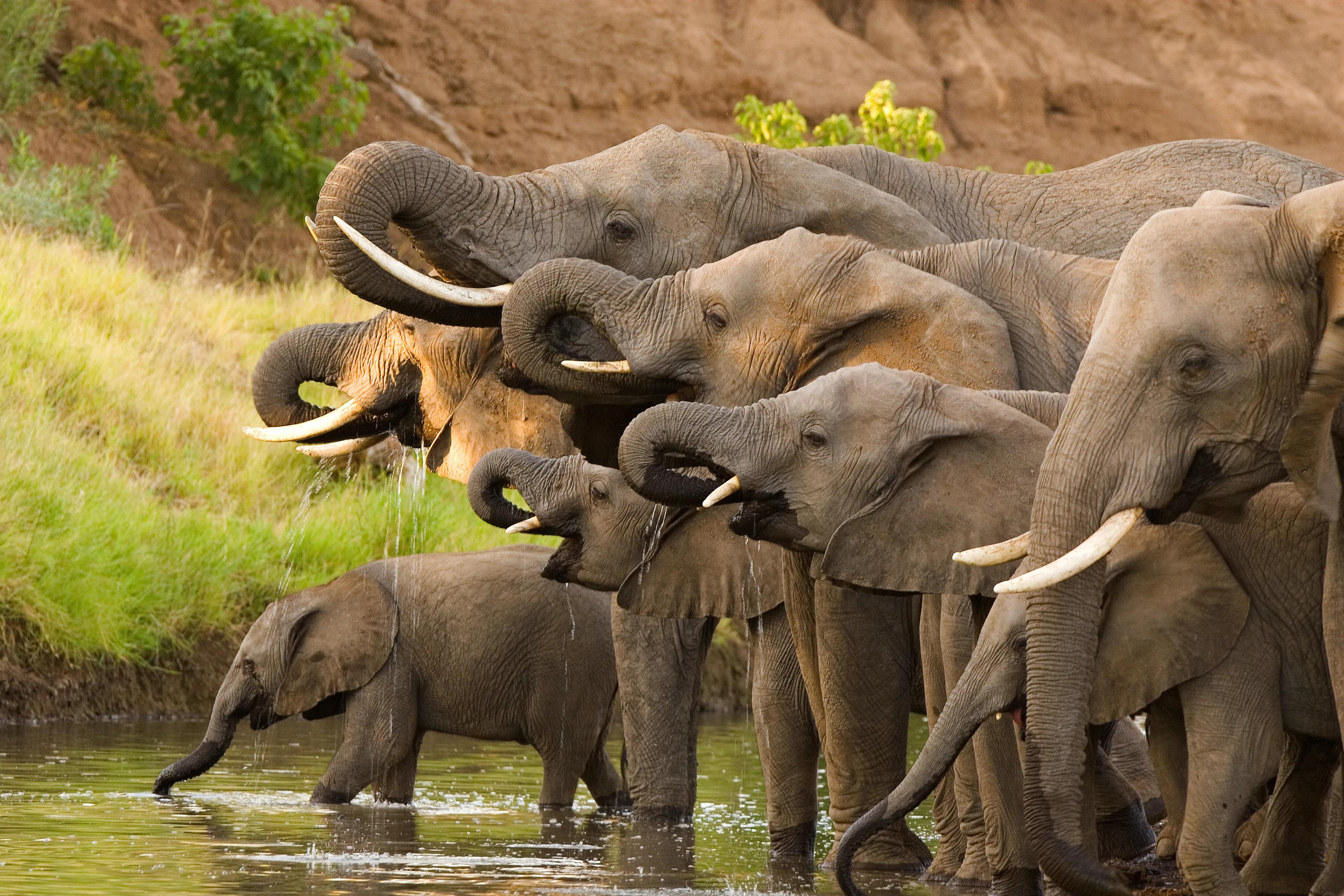
Attracting more than 100,000 elephants in the dry season, Chobe National Park is a great all-round safari destination whose main focal point is the Chobe River, a magnificent tropical waterway that can be explored by boat or along an extensive game drive circuit.
Ecologically, Botswana is dominated by the Kalahari, a vast tract of semi-arid savanna that still supports a substantial amount of wildlife. Much of this desert wilderness is protected within the Central Kalahari Game Reserve (the world’s largest such entity at 20,000+ square miles) and a pair of national parks protecting the white-crusted expenses of Nxai Pan and Makgadikgadi Pans.
Ranked among the world’s ten most sparsely populated countries, Botswana is a largely pristine wilderness destination that incorporates some of the best parks and reserves anywhere in Africa. Paradoxically, while the country is dominated by the sandy soils and open horizons of the semi-arid Kalahari Desert, its two most popular attractions – the wondrous Okavango Delta and Chobe River – are very much aquatic. Botswana adheres to a policy of high-cost, low-impact ecotourism, which means it tends to be less family oriented and budget friendly than most of its neighbours, but for those seeking a truly exclusive safari experience, it is hard to beat.
Photo Highlights
Test
Photo credit: by Fags R US
Practical Information
Practical Stuff
Getting there
Most people traveling from North America route through Johannesburg’s OR Tambo International Airport (JNB), which is the busiest regional flight hub. Sir Seretse Khama International Airport (GBE) near the capital Gaborone is Botswana’s largest. However, tourists are more likely to arrive at Maun Airport (MUB) or Kasane Airport (BBK), which respectively service the Okavango Delta and Chobe National Park. Those whose itinerary combines Botswana with Victoria Falls might transfer by road one-way between Zimbabwe’s Victoria Falls Airport (VFA) or Zambia’s Livingstone Airport (LVI).
Health and safety
Malaria is present, particularly in the rainy season, so take prophylactic drugs and cover up at night. In terms of crime, Botswana must rank as one of the world’s safest countries in terms of crime, the riskiest area being the capital Gaborone, which is seldom visited by tourists.
Itineraries
* Pricing is based on a group of 4 guests traveling together, and with each guest sharing accommodations with one other guest (i.e. double occupancy). Also, the cost per person will vary depending on the season / month of travel – for example, pricing will be higher during dates between Christmas Eve & New Year’s Day, as well as during other peak travel times.
What’s on the Menu
Botswana’s cuisine blends traditional African flavors with fresh, locally sourced ingredients, often enjoyed in spectacular safari settings. Guests can savor local staples such as seswaa (slow-cooked, shredded beef or goat), pap (maize porridge), and bean stews, alongside freshly baked breads and seasonal vegetables.
Many luxury lodges elevate these dishes with gourmet twists, often pairing meals with South African wines or locally inspired cocktails. Game meats such as kudu or impala may feature on the menu, as well as freshly caught fish from the Okavango Delta.
For those who prefer familiar flavors, Western comfort dishes are readily available—think full English-style breakfasts, salads, pastas, and roasted meats—ensuring variety and choice for every palate. Vegetarian, vegan, and other dietary requirements are easily accommodated with advance notice.
In Botswana, dining is part of the safari magic—whether it’s a candlelit bush dinner under a sky full of stars or a riverside breakfast while elephants graze nearby.
Explore Other Destinations

Botswana Travel Questions
How many days should I spend on safari in Botswana?
We recommend 6–8 nights to experience multiple ecosystems.
Popular combinations include:
- 2–3 nights in Chobe
- 3–4 nights in the Okavango Delta
- Optional Victoria Falls extension
A 9–12 day itinerary provides a relaxed and immersive experience.
When is the best time to visit Botswana for safari?
Botswana is a year-round safari destination, but wildlife viewing peaks during:
- May–October (dry season): Concentrated wildlife around water sources
- November–April (green season): Fewer tourists, dramatic skies, and birdlife
The Okavango Delta floods typically arrive between June and August, enhancing water-based activities.
What makes the Okavango Delta unique?
The Okavango Delta is the world’s largest inland delta, where seasonal floodwaters transform desert into a lush wildlife sanctuary.
Unique experiences include:
- Mokoro (dugout canoe) safaris
- Boat-based wildlife viewing
- Island walking safaris
- Remote luxury camps accessible only by light aircraft
It offers a different perspective compared to traditional land-based safaris.
Is Botswana suitable for families?
Botswana is better suited for older children due to remote camp access and activity restrictions.
Some camps have minimum age requirements (often 6–12 years). Private-use camps or exclusive vehicles are ideal for families.
We carefully match families with appropriate camps.
What are the top safari regions in Botswana?
Botswana’s premier safari areas include:
- Okavango Delta – A UNESCO-listed inland delta with water-based safaris
- Chobe National Park – Famous for massive elephant herds
- Moremi Game Reserve – Exceptional predator sightings
Each region offers a distinct safari experience, often combined in a single itinerary.
Is Botswana good for Big Five sightings?
Yes. Botswana offers strong Big Five viewing, particularly:
- Lions and leopards in Moremi
- Elephants in Chobe (one of Africa’s largest populations)
- Rhinos in select protected areas
Its low tourism density enhances the quality of sightings.
Why is Botswana considered one of Africa’s most exclusive safari destinations?
Botswana follows a “high value, low impact” tourism model, limiting visitor numbers to protect wildlife and ecosystems.
This results in:
- Fewer vehicles at sightings
- Intimate, small luxury camps
- Remote, pristine wilderness
- Exceptional guide quality
Botswana is ideal for travelers seeking privacy, exclusivity, and conservation-focused travel.