Luxury African Safaris
Privately curated safaris across Africa’s most exceptional wilderness regions.
Speak to a Safari Expert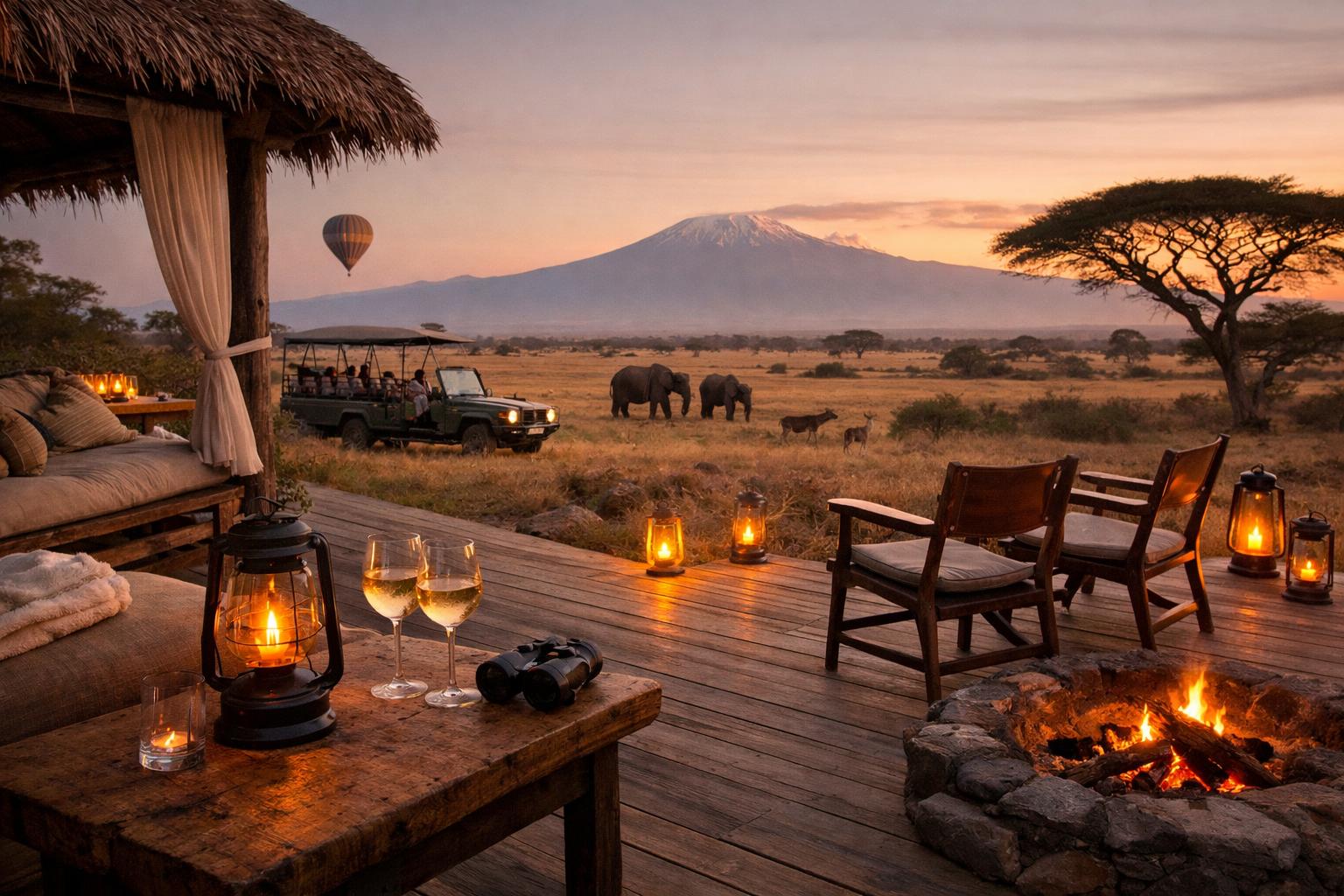
Why Choose a Luxury African Safari?
Luxury in Africa is not about excess. It is about access — to protected landscapes, expert guides, and experiences that unfold at your own pace.
A luxury safari places you inside private safari conservancies in Africa and low-density reserves where wildlife encounters are intimate and unhurried. Fewer vehicles at sightings allow for deeper observation. Expert trackers interpret subtle signs in the dust. Guides tailor each drive around your interests — whether that means following predator behavior, focusing on photography, or spending uninterrupted time with a single herd of elephants.
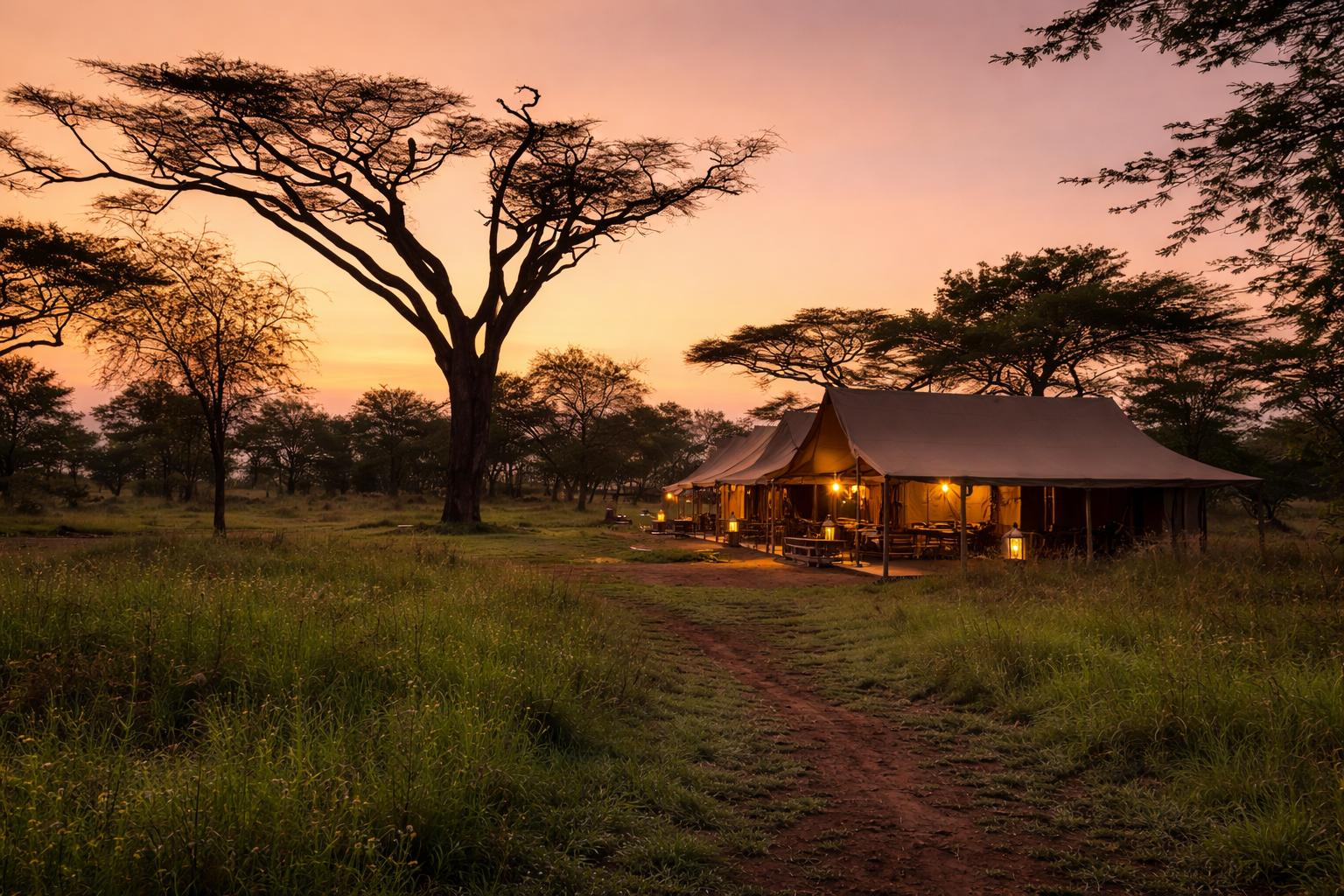
Accommodations are intentionally small. Many of the camps and lodges we select host fewer than twenty guests at a time. Architecture blends into the landscape. Service is discreet and highly personalized. Evenings might include a private bush dinner beneath acacia trees or conversations around the fire with conservationists and community leaders.
Luxury also means seamless logistics. From the moment you depart the United States, every connection — international flights, bush charters, ground transfers, permits, and special arrangements — is coordinated with precision. You are free to be present, not preoccupied.
Our journeys typically range from $2,500 to $15,000+ per person depending on destination, duration, and level of exclusivity. For some, this is a once-in-a-lifetime experience. For others, it marks the beginning of a lifelong connection with Africa.
The common thread is intention. A luxury African safari should expand your perspective — not simply impress you.
Safari Pricing & What to Expect
Our journeys typically range from $2,500 to $15,000+ per person, shaped by destination, season, duration, and the level of exclusivity you choose.
Pricing reflects far more than accommodation. It includes expert guiding, private access to low-density wildlife areas, conservation contributions, and seamless logistics across remote regions.
Most travellers invest between $5,000 and $10,000 per person for a well-balanced luxury safari.
Rather than fixed packages, every journey is tailored — ensuring your experience aligns precisely with your expectations, pace, and priorities.
Our Core Luxury Safari Destinations
Africa is not one experience. Each region carries its own rhythm, landscape, and conservation model. We curate destinations based on your priorities, travel style, and season — not popularity alone.
Kenya
Kenya is the birthplace of safari and remains one of the most dynamic wildlife destinations in Africa. Our Kenya safaris explore iconic regions like the Maasai Mara, Amboseli, and Laikipia conservancies. The Maasai Mara is globally renowned for predator density and the annual Great Migration river crossings. Beyond the main reserve, private conservancies surrounding the Mara offer lower vehicle density, off-road tracking, and walking safaris — delivering a more exclusive experience.
Amboseli National Park provides iconic views of Mount Kilimanjaro and large elephant herds, while Laikipia’s private ranches offer a more intimate, conservation-driven safari. Kenya is particularly well suited for travelers seeking a balance of classic Big Five Kenya safari viewing and community-based tourism.
Tanzania
Luxury Tanzania safaris deliver scale. The Serengeti ecosystem, known for its world-class Serengeti safari, stretches endlessly, supporting one of the largest wildlife migrations on earth. Depending on the time of year, we position camps strategically to ollow the movement of wildebeest and zebra across the plains during the Great Migration safari.
The Ngorongoro Crater offers concentrated wildlife viewing within a dramatic volcanic landscape, while more remote areas such as Ruaha and Nyerere National Park provide fewer crowds and exceptional guiding. Tanzania is ideal for travelers who want vast landscapes and immersive fly-in safaris.
Rwanda
Rwanda gorilla trekking safaris offer a different type of safari — intimate, physical, and deeply moving. The gorilla trekking experience in Volcanoes National Park allows small groups to spend a limited, protected hour observing habituated mountain gorilla families.
Beyond gorilla trekking, Rwanda’s conservation story is remarkable. Strict visitor limits, significant permit fees directed toward protection efforts, and strong community reinvestment have made it a model for sustainable wildlife tourism. Rwanda pairs beautifully with Kenya or Tanzania for a gorilla trekking safari itinerary for travelers seeking both savannah and rainforest ecosystems.
South Africa
Luxury South Africa safaris combine sophisticated infrastructure with exceptional wildlife viewing. Private reserves bordering Kruger National Park provide some of the continent’s most refined lodges, excellent guiding, and strong Big Five sightings.
Malaria-free reserves make certain regions particularly attractive for families. Beyond safari, South Africa offers world-class cuisine, vineyards, and coastal landscapes — allowing for seamless bush-and-beach or Cape Town and safari combinations. It is often an excellent first introduction to Africa.
Zimbabwe
Luxury Zimbabwe safaris remain one of Africa’s most underrated safari experiences. Hwange National Park is known for large elephant populations and deeply knowledgeable guides. Mana Pools offers walking safaris and canoe-based wildlife experiences along the Zambezi River.
Victoria Falls adds a dramatic natural landmark that pairs easily with safari itineraries, including a Victoria Falls safari add-on. Zimbabwe appeals to seasoned travelers who value raw wilderness, strong conservation models, and fewer vehicles at sightings.
We do not oversell destinations. We match them carefully to the traveler.
Best Time to Go on a Luxury African Safari
The best time for a luxury African safari depends on where you travel and what you want to experience — from peak wildlife viewing in the dry season to the dramatic landscapes of the green season.
Eastern Africa
Southern Africa
What Defines a Luxury African Safari?
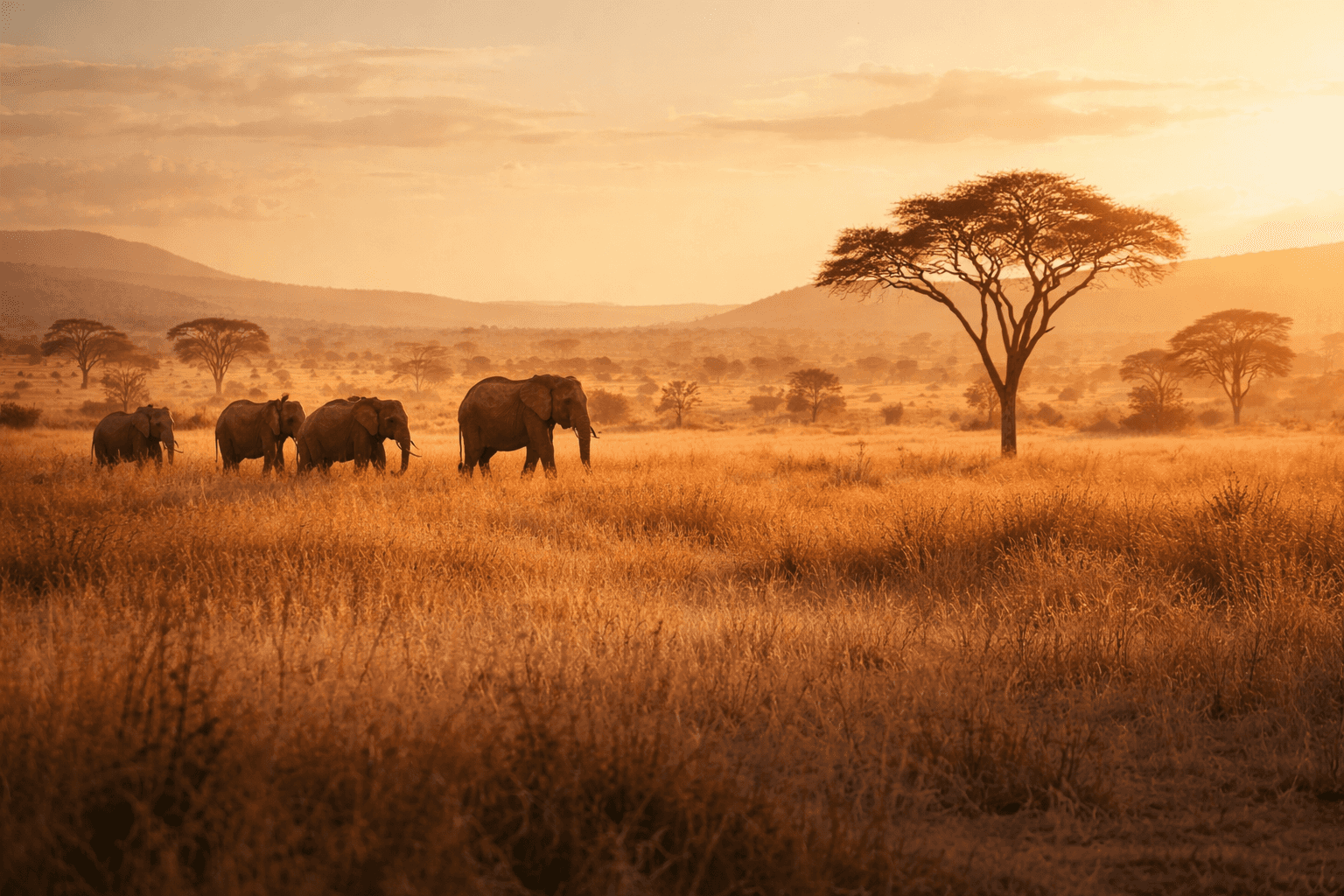
Luxury African safaris are not defined by thread counts or champagne alone. True luxury is space, time, and rare access to wild places that remain deeply protected. It is waking before sunrise to follow fresh lion tracks with a guide who has known the land since childhood. It is sharing a quiet moment at dusk as elephants move through golden light, without a line of vehicles behind you.
At Fair Trade Safaris, luxury is intentional. We design private, conservation-first journeys across Kenya, Tanzania, Rwanda, South Africa, and Zimbabwe for travelers who value substance as much as comfort. Many begin by exploring our luxury African safari itineraries to understand how different destinations, wildlife experiences, and seasons can shape a truly personalized journey.. Our clients are seasoned professionals, entrepreneurs, and families who seek immersive experiences rather than packaged tours. They want to understand where they are, who they are supporting, and how their presence contributes to something larger.
Every safari we create is tailored from the ground up. We work with owner-operated camps, private conservancies, and community-led initiatives that prioritize wildlife protection and local empowerment. The result is a journey that balances refined accommodations with authentic access — thoughtful, seamless, and deeply personal.
This is not mass tourism. It is Africa experienced with care, expertise, and purpose.
Private Safaris or Small Curated Groups
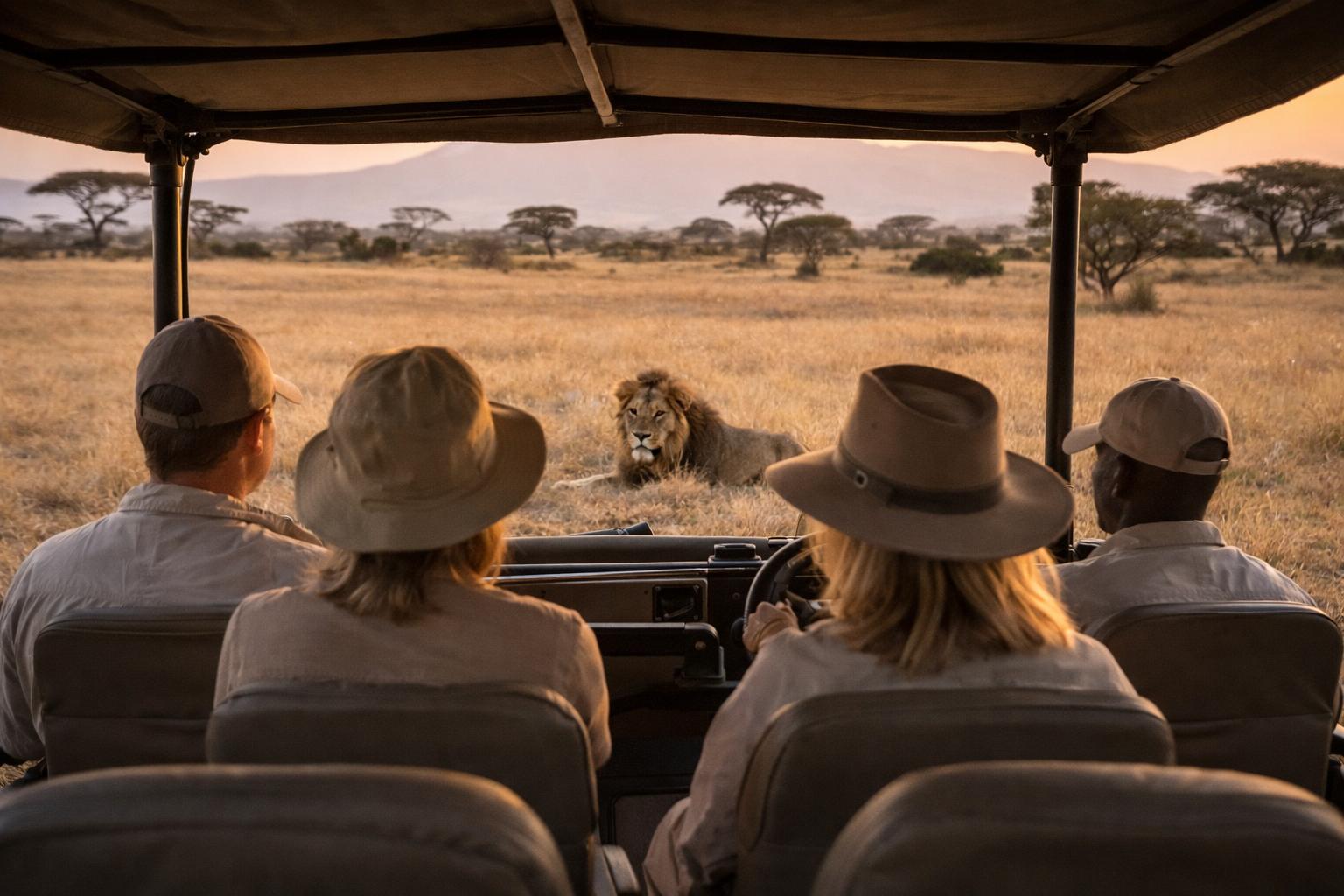
Most of our journeys are fully private safaris. You travel with your own professional guide and dedicated vehicle, allowing complete flexibility throughout the day. If you wish to spend an extra hour observing a leopard at dusk, adjust your departure time, or return early for a quiet afternoon at camp, the schedule adapts to you.
Private safaris offer a deeper level of immersion. Conversations with your guide unfold naturally. Wildlife encounters are experienced without negotiation or compromise. For couples, families, or multi-generational travelers, privacy also ensures comfort and pace align with your preferences.
We also design select small group safaris for travelers who value shared insight and camaraderie. These groups are intentionally limited in size and thoughtfully composed. They are never mass-market tours.
Whether private or small-group, the experience remains personal, conservation-focused, and carefully curated. We prioritize quality of guiding — learn more about our expert-led African safaris — low vehicle density, and meaningful wildlife interaction above volume.
How We Design Your Luxury Safari
Designing a meaningful safari requires more than selecting beautiful lodges. It requires understanding your expectations, travel rhythm, and priorities — then aligning those with the right regions, properties, and conservation models.
1. Discovery Consultation
Every journey begins with a private consultation. We discuss timing, travel experience, physical comfort levels, photography interests, family dynamics, and what you hope to feel during the trip — not just what you hope to see.
2. Destination Strategy
Not every region suits every traveler. We match destinations intentionally. Some clients prioritize predator sightings and migration timing. Others value remote walking safaris or intimate gorilla encounters. We design around your objectives, not trends.
3. Curated Property Selection
We work with a focused portfolio of trusted partners — owner-operated camps, private conservancies, and conservation-led lodges. Each property is selected for guiding quality, environmental standards, and guest experience, not marketing appeal.
4. Logistics & Permits
Inter-country flights, bush charters, park fees, gorilla permits, private vehicles, dietary needs, and special arrangements are coordinated in advance. Your itinerary flows seamlessly from arrival to departure.
5. On-Ground Support
Throughout your journey, our local partners remain accessible. Should adjustments be needed, they are handled discreetly and efficiently.
Many of our guests return to Africa multiple times. Thoughtful design creates that kind of connection.
Ethical & Sustainable Luxury Travel
Luxury without responsibility is outdated. In Africa, conservation and tourism are deeply connected. When structured thoughtfully, safari travel directly funds wildlife protection, habitat preservation, and community development.
At Fair Trade Safaris, we work exclusively with partners who operate inside conservation-driven models. Many of the private conservancies in Kenya, Zimbabwe, and South Africa function through revenue-sharing agreements with local landowners. Tourism income supports ranger salaries, anti-poaching initiatives, wildlife monitoring programs, and school funding within surrounding communities.
In Rwanda, gorilla trekking permits are intentionally limited and priced at a premium. A significant portion of each permit directly funds national park management and community development initiatives. Strict visitor caps protect the health of habituated gorilla families while ensuring measurable conservation impact.
Across Tanzania and Southern Africa, we prioritize properties that limit guest numbers, minimize environmental footprint, and maintain transparent ownership structures. Small-scale camps reduce land pressure. Solar infrastructure and water management systems reduce environmental impact. Employment practices prioritize local hiring and long-term community empowerment.
Responsible travel is not a marketing statement. It is operational structure.
When you travel with intention, your safari becomes part of a broader conservation economy — one that protects wildlife while supporting the people who live alongside it.
Luxury and responsibility are not opposites. In modern Africa, they are inseparable.
Discover Our Destinations
From Rwanda in the East down to South Africa. Find the perfect destination for you.
Explore
The Vision Behind Fair Trade Safaris
Fair Trade Safaris was founded by Saurabh Khetrapal, a Silicon Valley entrepreneur who grew up in East Africa. Long before building technology companies in the United States, his earliest experiences with wildlife and conservation came from time spent in Kenya and Tanzania — landscapes where tourism, wildlife protection, and community livelihoods are deeply interconnected.
After decades in the technology sector, Saurabh returned to those roots with a simple idea: travel in Africa could be both extraordinary and responsible. Luxury safaris should not exist apart from conservation — they should help fund it.
Fair Trade Safaris was created to bring that philosophy into practice. We partner with owner-operated camps, private conservancies, and conservation-driven lodges where tourism revenue directly supports wildlife protection, local employment, and community development.
Our goal is not simply to design exceptional journeys across Africa. It is to ensure that every safari contributes to the long-term protection of the landscapes and communities that make these experiences possible.
For many of our guests, that purpose becomes part of the journey itself.
Start Planning Your Luxury African Safari
Your journey through Africa should be as intentional as it is unforgettable. Tell us what you’re looking for — we’ll design a safari tailored entirely to you.
Speak to a Safari ExpertFrequently Asked Questions
Can I combine multiple countries in one safari?
Yes , There is possible combination like South Africa and Zimbabwe and Namibia. We also have add-on destinations like Seyshells or Zanzibar
When is the best time to go on safari?
East Africa (Kenya, Tanzania) – July–November and January–March for dry season game viewing.
Southern Africa (Botswana, Namibia, Zimbabwe, South Africa) – June–November for peak wildlife sightings.
Green season offers lush scenery, fewer crowds, and great photography conditions.
What is the best location to see the “Big Five”?
Top choices include:
Tanzania – Serengeti National Park & Ngorongoro Crater
South Africa – Kruger National Park