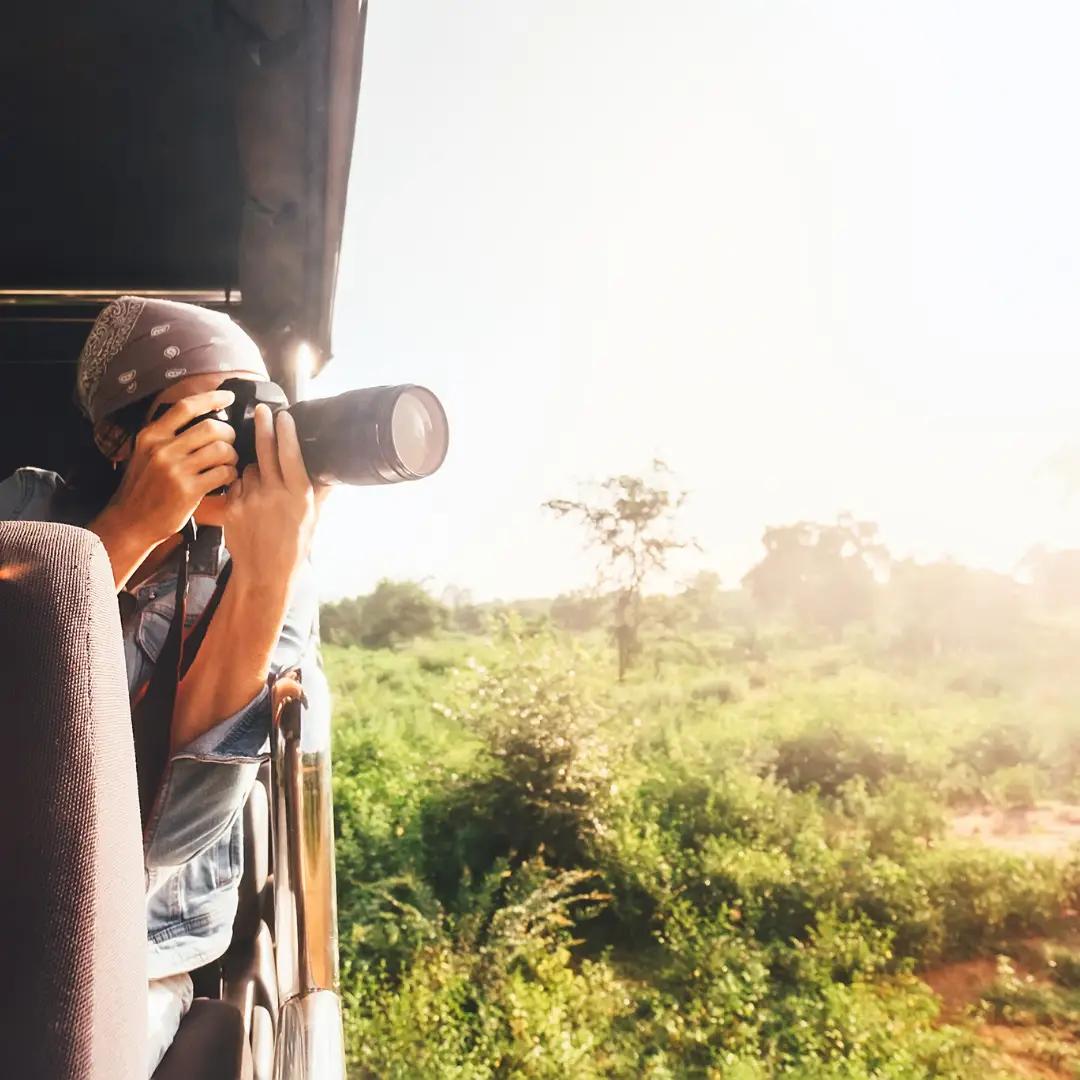
Capture the Wild. Frame the Extraordinary.

Photographer’s Guide to Southern Africa’s Wildlife and Landscapes
Planning a 2025 African safari? Get 10 essential wildlife photography tips—covering gear, light, ethics, and capturing the wild’s true spirit.
Wildly Beautiful: A Photographer’s Guide to Shooting African Safaris in 2025
Embarking on an African safari with your camera is a dream for many—and in 2025, it’s more accessible than ever. From the golden savannahs of Kenya’s Masai Mara to Botswana’s Okavango Delta, the continent offers unmatched wildlife encounters. But snapping a great shot takes more than good timing. Whether you're a budding content creator, hobbyist, or adventure traveler, these 10 essential wildlife photography tips will elevate your safari experience and your photo game.
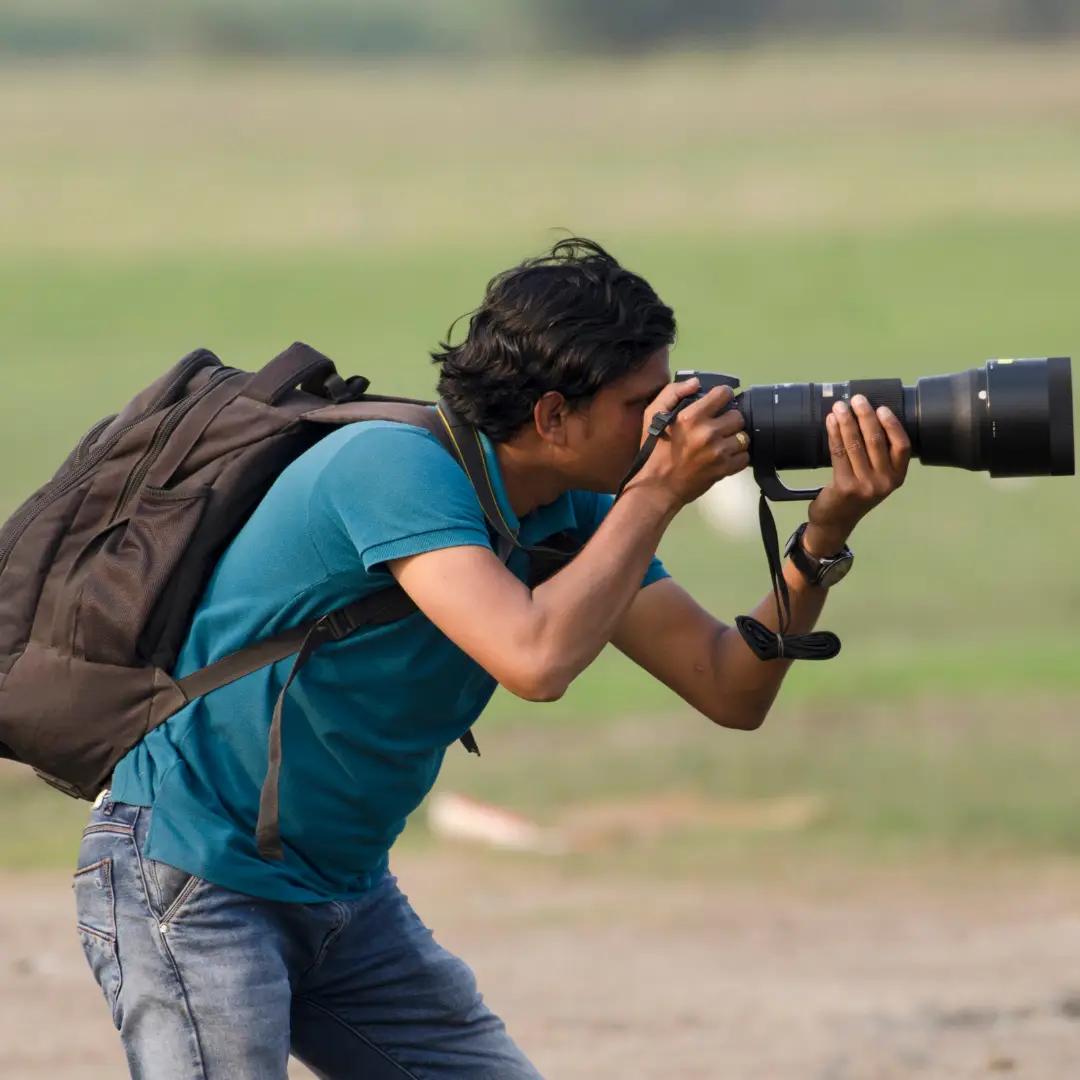
1. Prepare Your Gear with Purpose
Before departure, research your destination’s terrain and wildlife. Are you tracking big cats on open plains or birdwatching in lush wetlands? Each setting requires different lens choices.
Today’s compact mirrorless cameras (like the Sony α7 series or Canon EOS R) offer DSLR-level quality in a travel-friendly size. Don’t rely solely on your phone—even with software upgrades, phone sensors struggle with fast-moving wildlife at a distance.
Instead of a bulky tripod, consider a bean bag mount or window clamp for vehicle shots. And don’t forget extra batteries and SD cards—charging opportunities may be limited.
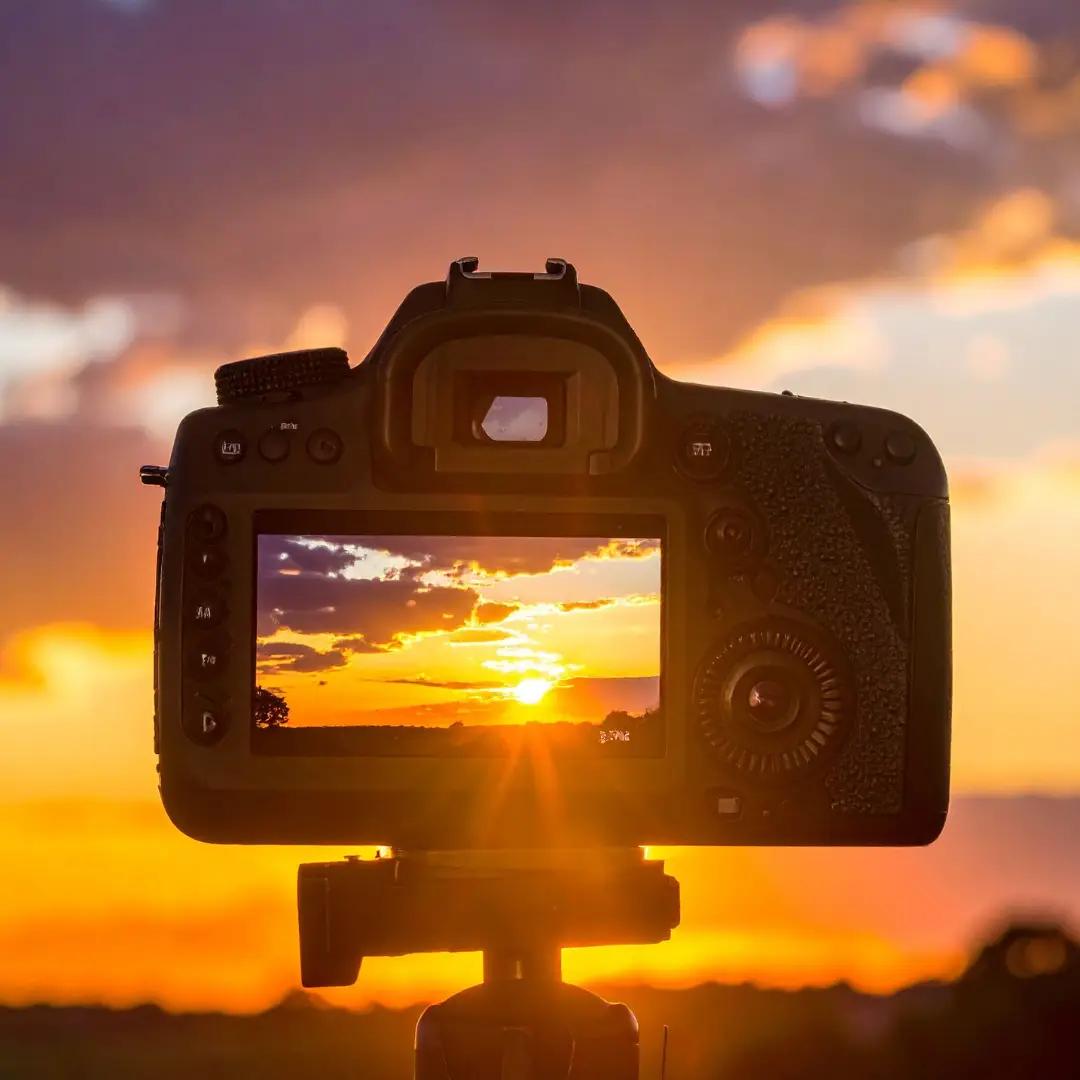
2. Understand Wildlife Behavior
Knowing an animal’s habits dramatically improves your chances of capturing meaningful shots. Spend time studying species profiles on sites like National Geographic Wildlife Guides or apps like Seek by iNaturalist.
Your best resource on the ground will be your guide. Let them know you’re shooting for quality, not quantity, so they can position you for ideal angles and light.
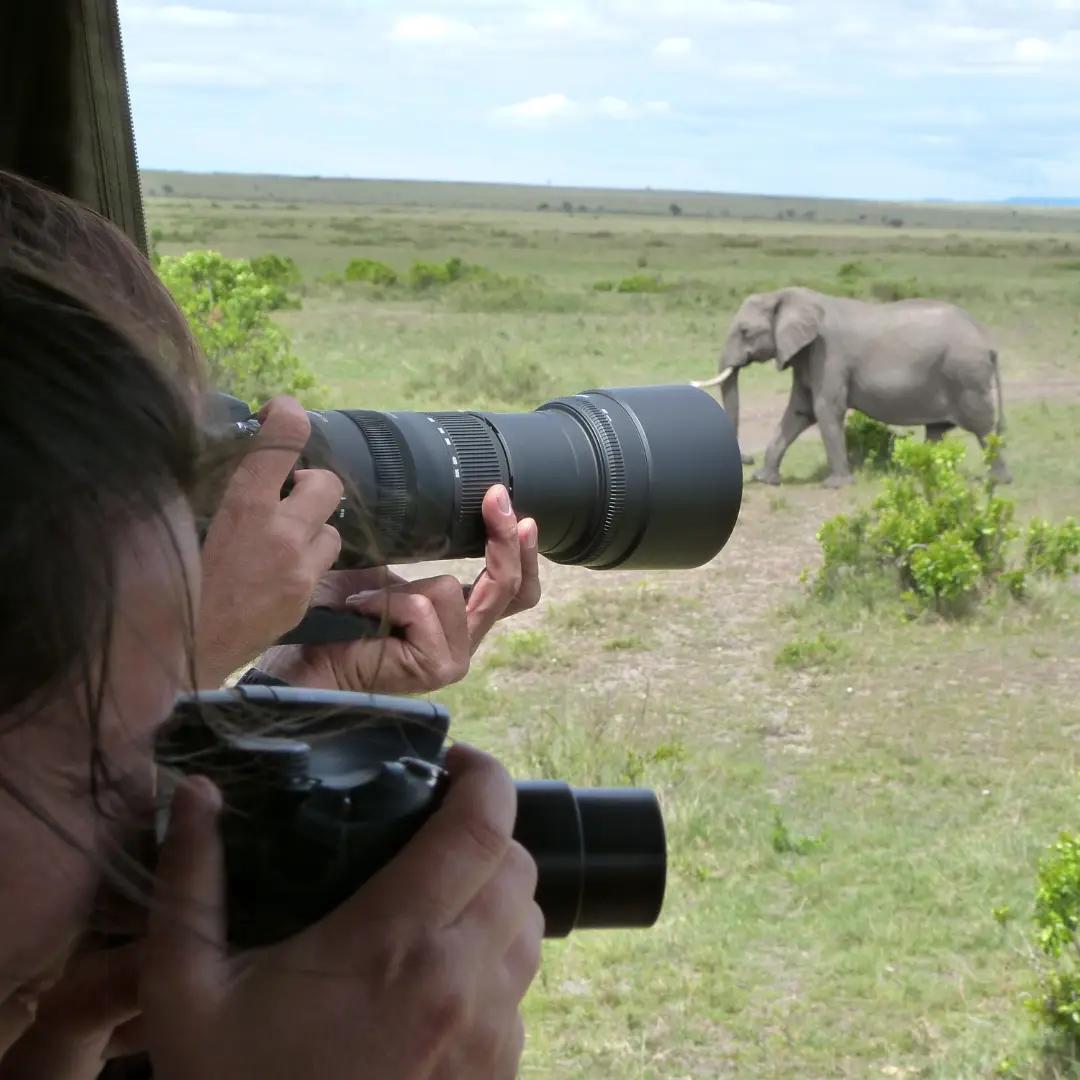
3. Select the Right Lenses
A telephoto zoom (300mm+) is essential for distant subjects, while a wide-angle lens (24-70mm) captures storytelling scenes and landscapes. If possible, bring a second camera body to avoid dusty lens swaps.
Need inspiration? Review this wildlife lens guide by Canon to see what suits your goals.

4. Master Modern Composition
Composition goes beyond centering your subject. Use the rule of thirds, leading lines, and natural framing (like trees or rocks) to guide the viewer’s eye. Try adding negative space or reflections to elevate your visual storytelling.
For practice, check out composition tips from National Geographic

5. Work With Light, Not Against It
The golden hours—just after sunrise and just before sunset—offer soft, warm light perfect for photography. Avoid harsh midday sun unless something dramatic unfolds.
For post-safari editing, tools like Adobe Lightroom let you recover shadows and tone down highlights.
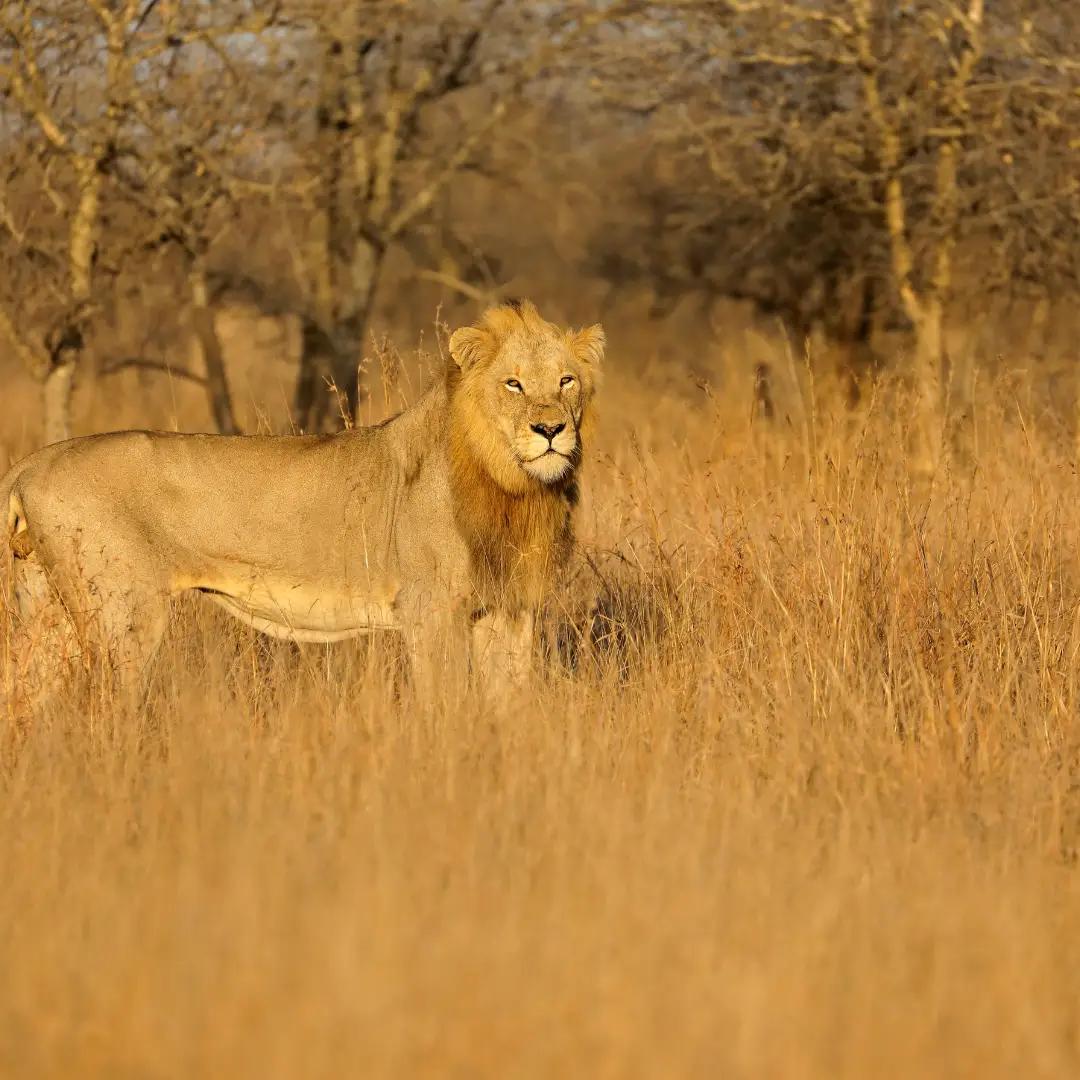
6. Include the Environment
The landscape is part of the story. Don’t always zoom in—wide shots showing elephants beneath baobab trees or lions silhouetted against the sunset can be more evocative than a close-up.
Look for compositional depth, such as a giraffe in the foreground and a stormy sky in the back.

7. Be Patient and Let the Moment Unfold
In wildlife photography, patience is more valuable than megapixels. Some of your best images will happen when you wait—a lion stretching, cubs playing, or birds taking flight.
Bring a book, stay still, and let nature perform.
8. Focus Like a Storyteller
Your subject’s eyes are usually the sharpest point—this creates emotional connection. Use a wide aperture (f/2.8–f/5.6) for soft backgrounds and beautiful bokeh.
Most cameras today have AI autofocus and eye-tracking—practice before your trip to master quick compositions.

9. Capture Action with Confidence
Use burst mode and a fast shutter speed (1/1000 or higher) for moving animals. If you're feeling bold, try panning—moving your camera along with a running subject while using a slower shutter speed to blur the background.
For tutorials on this, visit Digital Photography School or DPReview.

10. Respect Wildlife, Always
Your presence should be passive, not intrusive. Maintain a safe distance, never use flash, and don’t coax animals closer for a better shot.
Want to learn more about responsible travel? Explore the work of Sheldrick Wildlife Trust—a leader in ethical conservation and wildlife rescue in Kenya.
A safari is more than a photo op—it’s a powerful encounter with the raw beauty of nature. With the right gear, mindset, and respect for the wild, your lens will do more than document your trip—it will tell a story that inspires.
📸 Ready to elevate your wildlife photography? Take these tips into the bush, and let your images do the roaring.
Find out more about Fair Trade Safaris
Ready to share your thoughts?
We love hearing from mindful travelers. Leave a comment below.