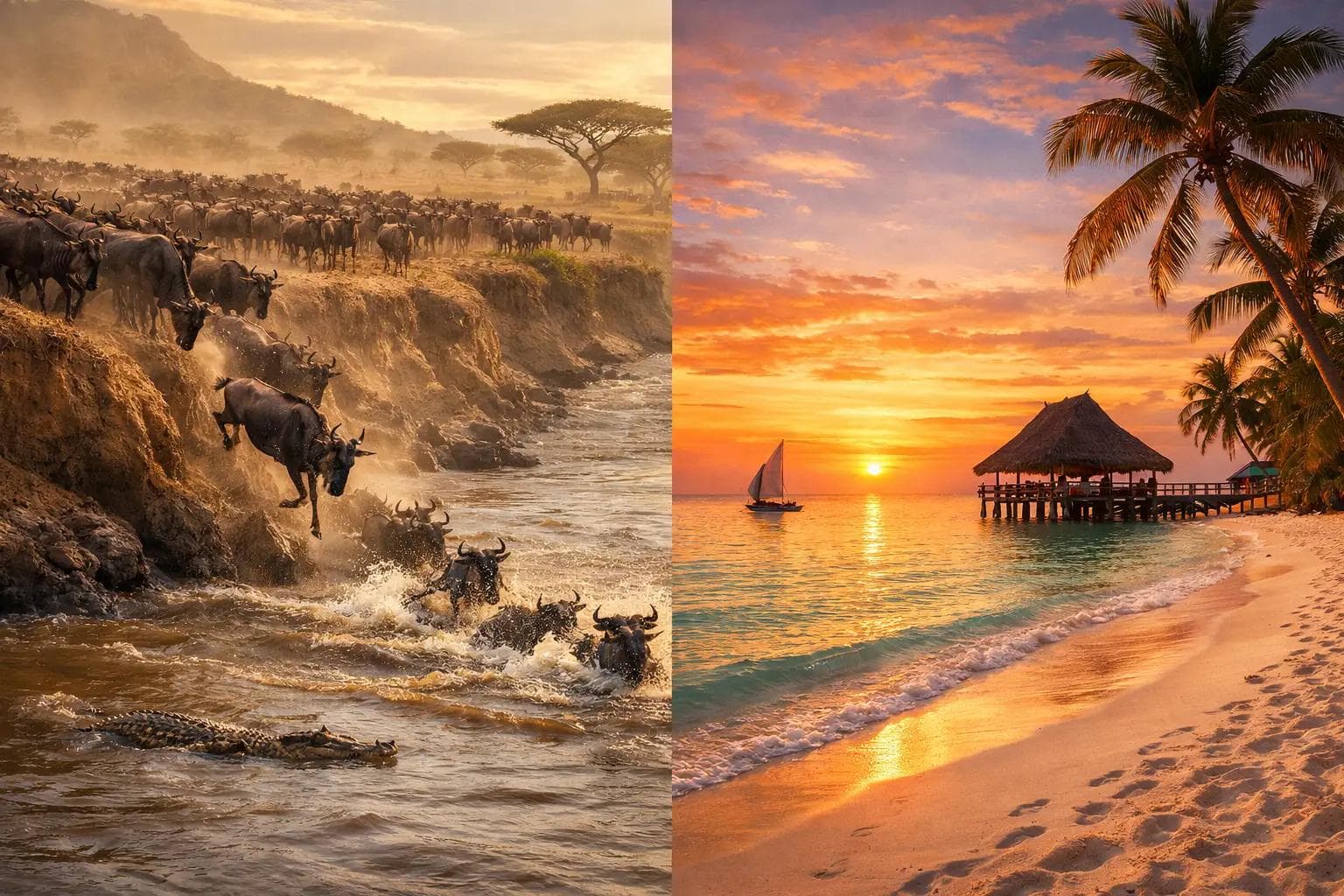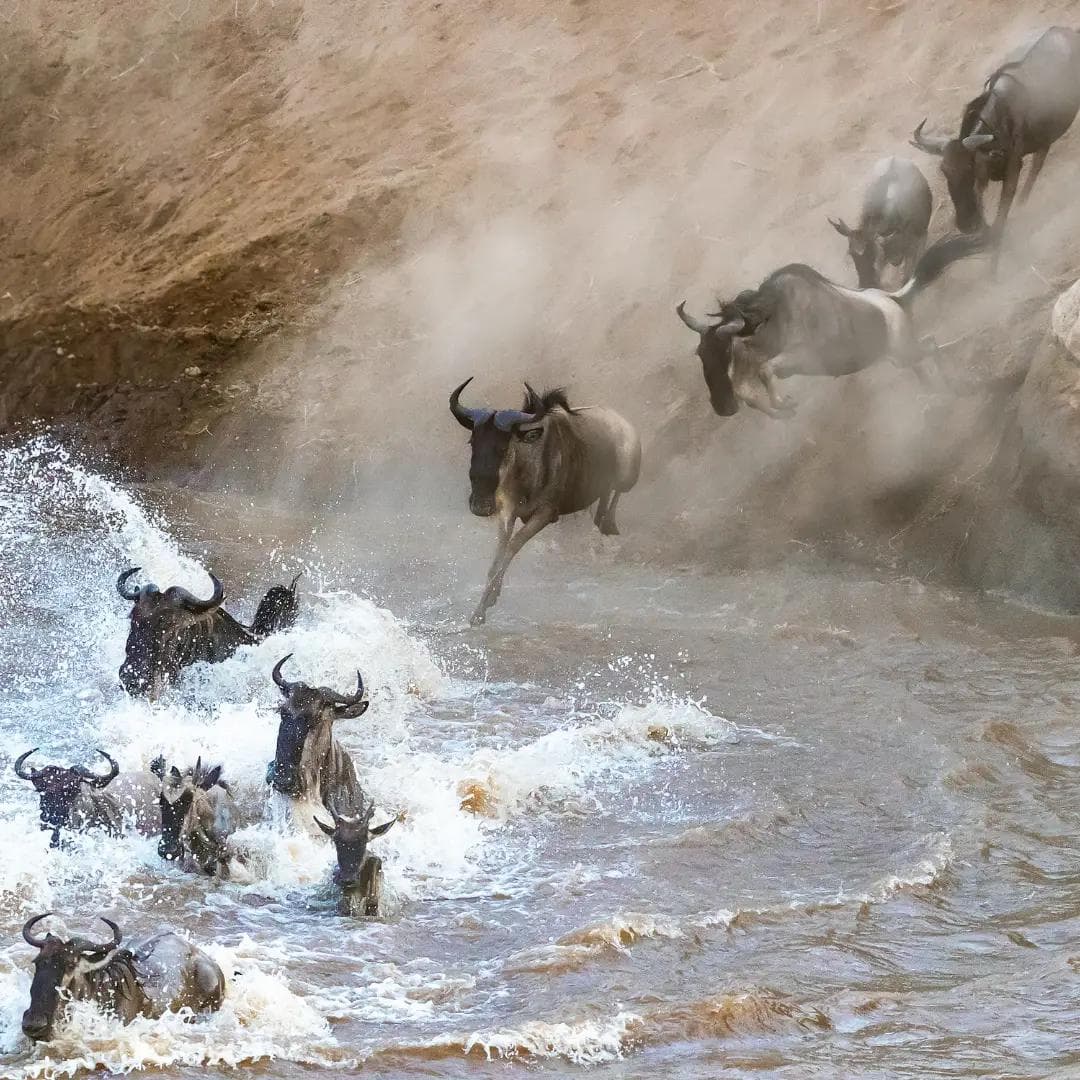
Wildebeest crossing the Mara River during the Great Migration
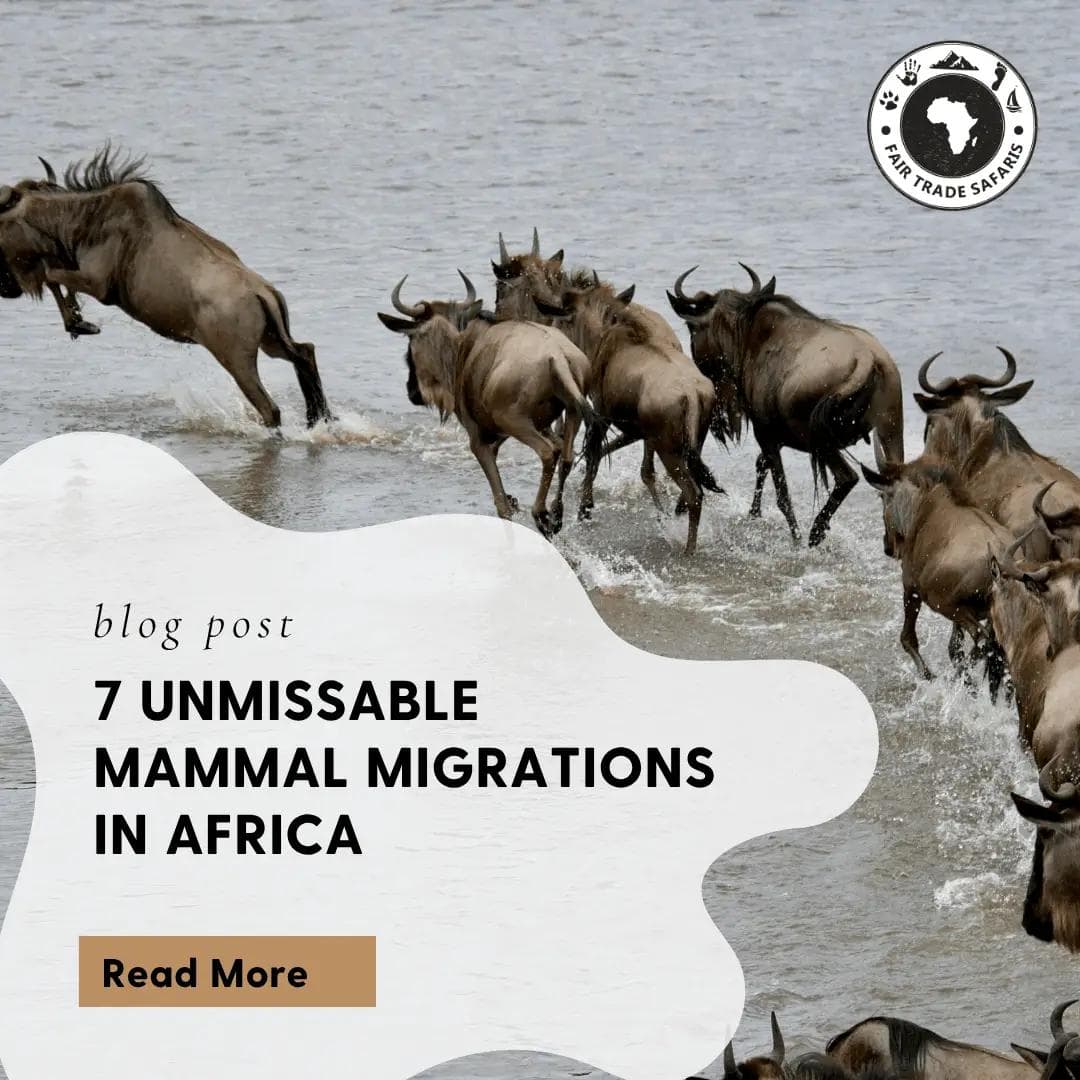
7 Unmissable Mammal Migrations in Africa: Nature’s Greatest Wildlife Spectacles
Explore Africa’s greatest wildlife spectacles with this guide to seven unforgettable mammal migrations — where and when to witness nature’s biggest journeys.
7 Unmissable Mammal Migrations in Africa: Nature’s Greatest Wildlife Spectacles
The Mystery of Migrations
Every year, countless species across the globe respond to ancient signals that tell them it is time to move. Some migrations involve small populations shifting across short distances, while others involve millions of animals traversing thousands of miles.
Whether sparked by the scent of rain, the change of seasons, or the promise of greener pastures, these mass movements are among the most powerful and mysterious forces in nature.
Why Migrations Matter
Beyond survival, migrations shape entire ecosystems. They disperse seeds, pollinate plants, and fuel food chains. Predators thrive on the abundance of prey, while weaker individuals are naturally filtered out, strengthening the health of species.
For humans, these migrations are not just scientific wonders—they are timeless reminders of our connection to the natural world. Africa, in particular, offers some of the most breathtaking migrations on Earth, drawing conservationists, researchers, and travelers eager to witness “survival of the fittest” in real time.
The 7 Greatest Mammal Migrations in Africa
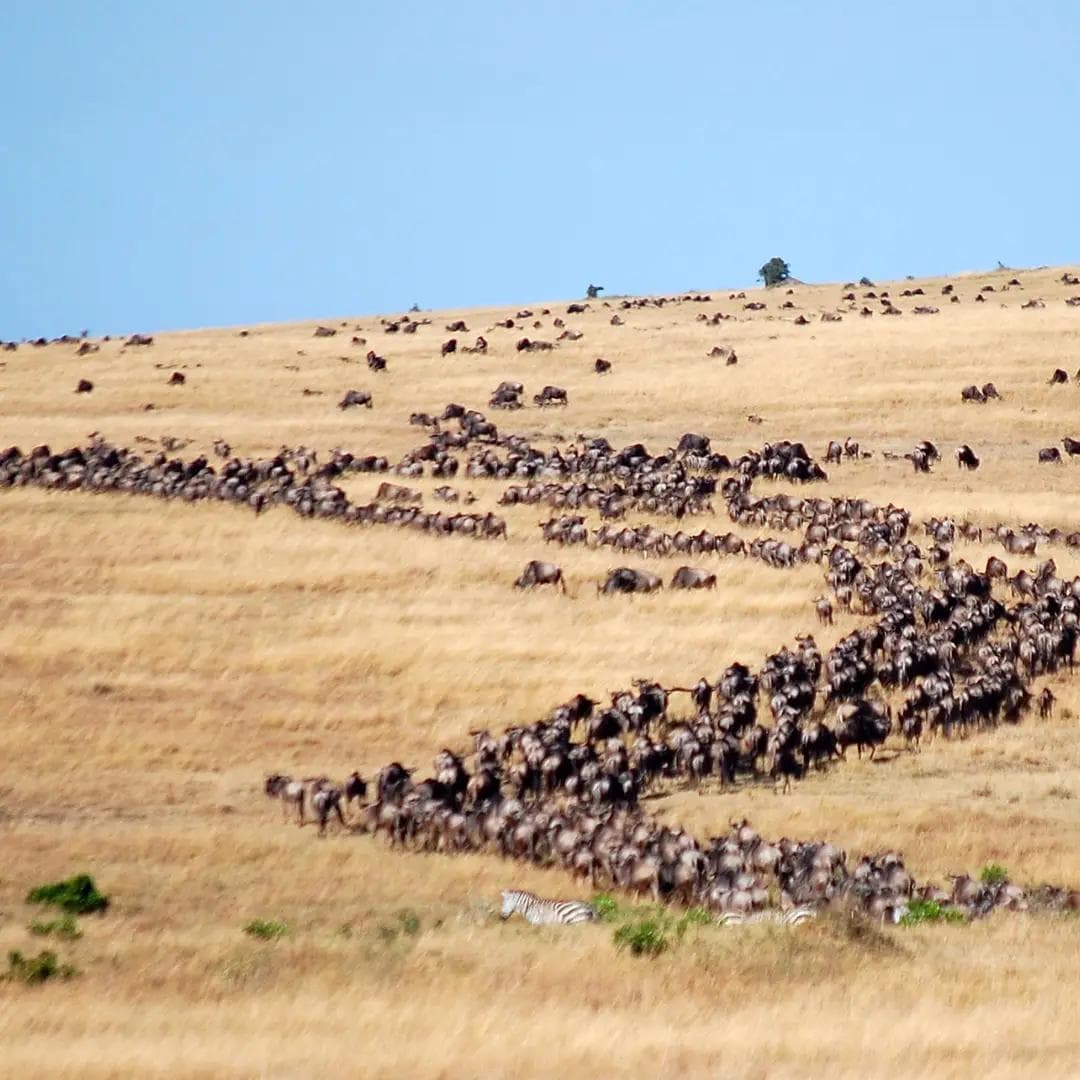
1. The Serengeti–Masai Mara Wildebeest Migration
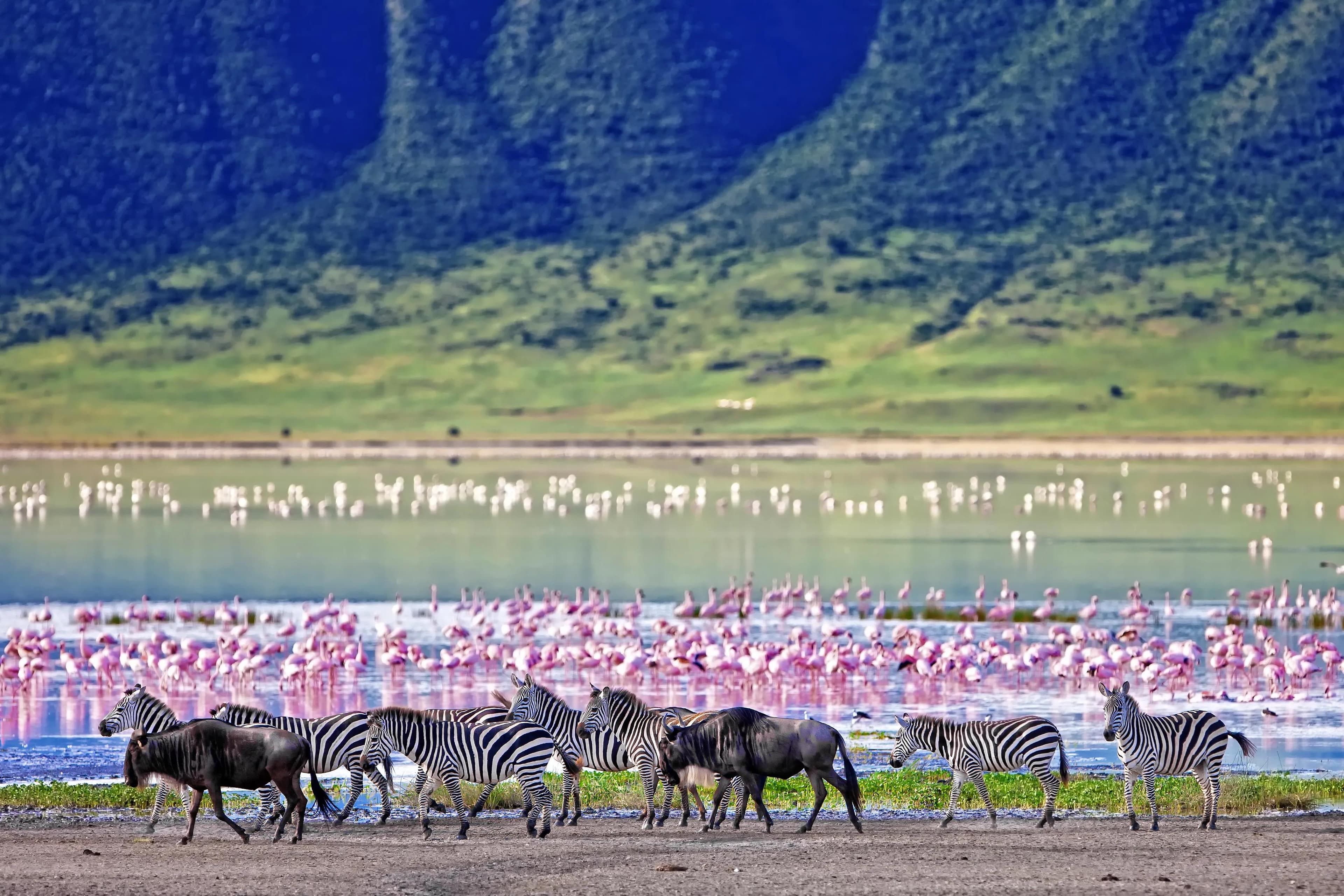
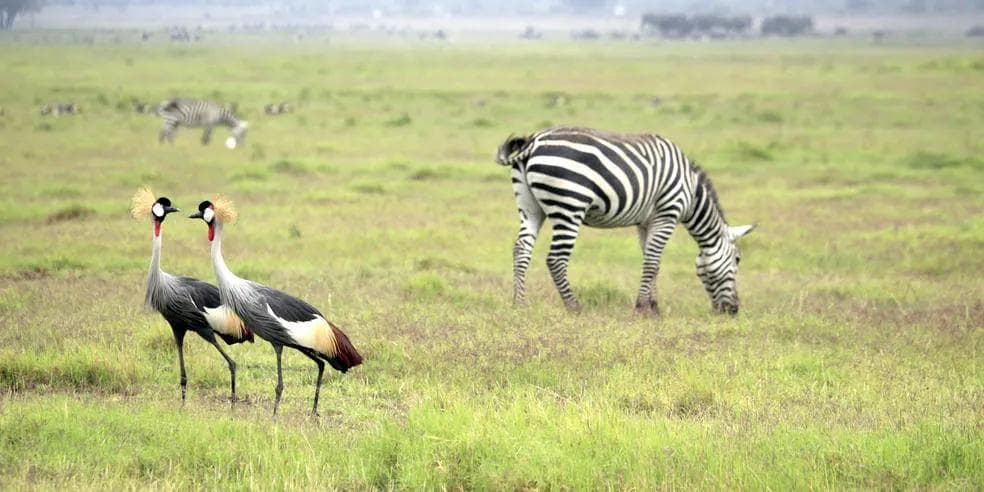
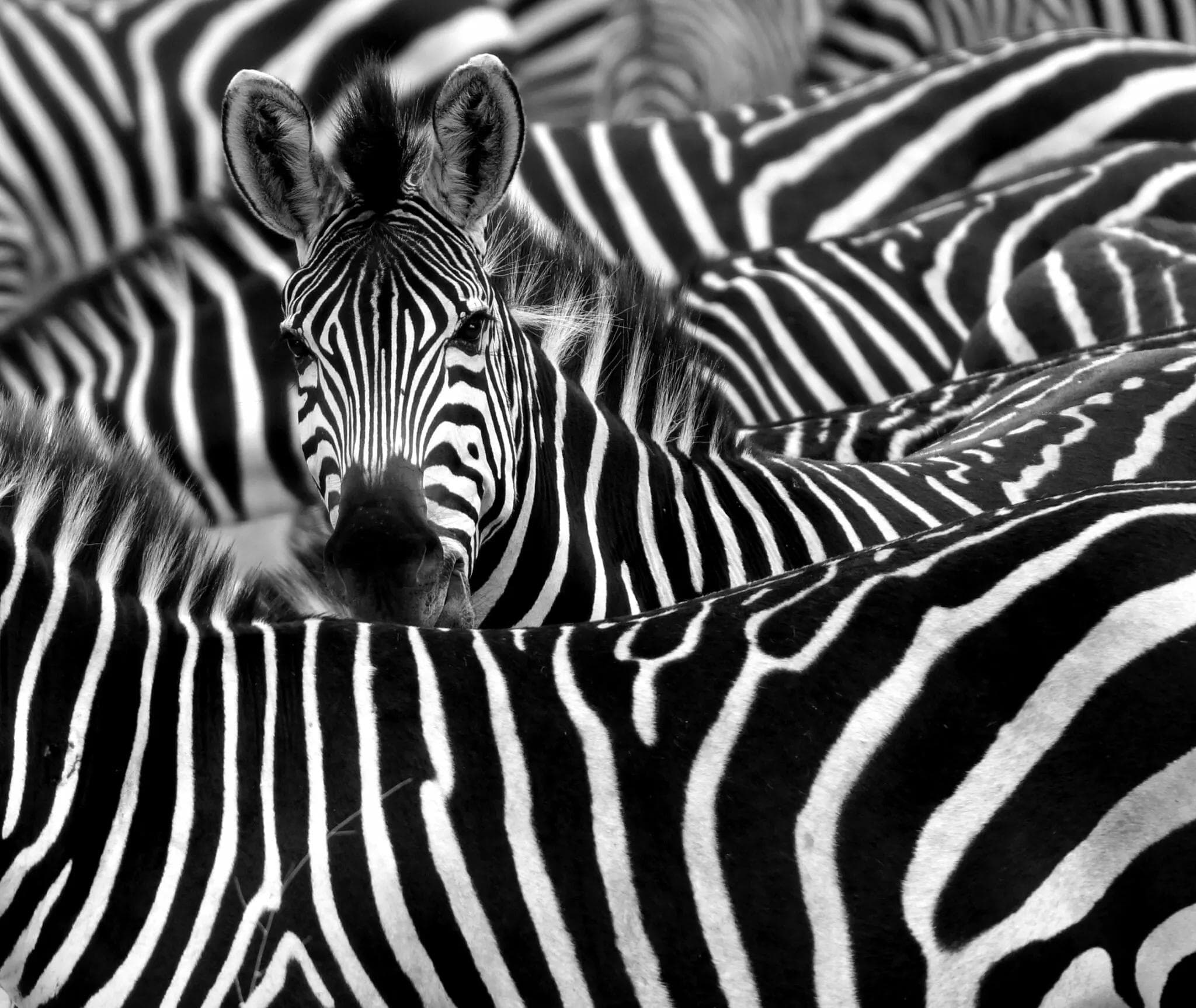
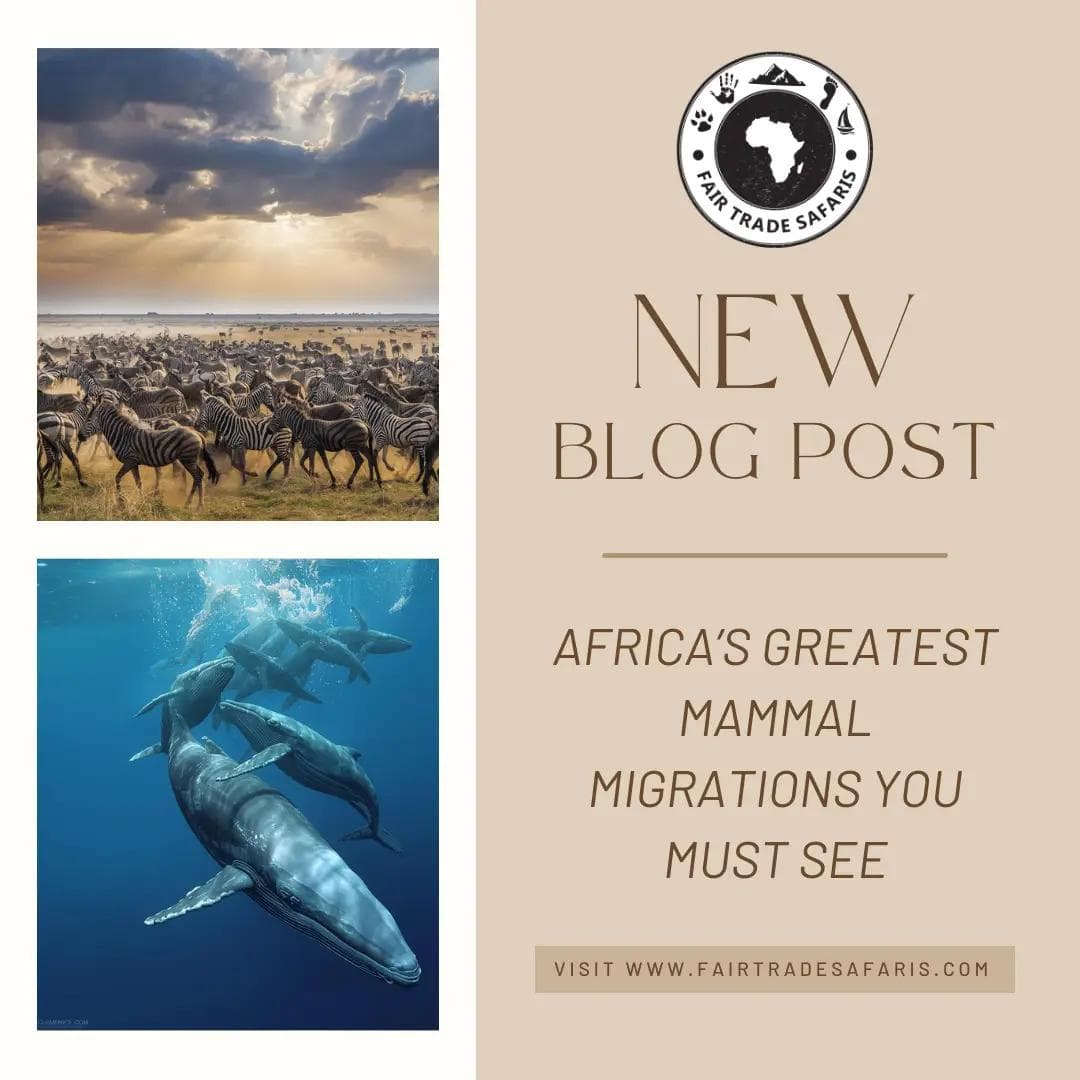
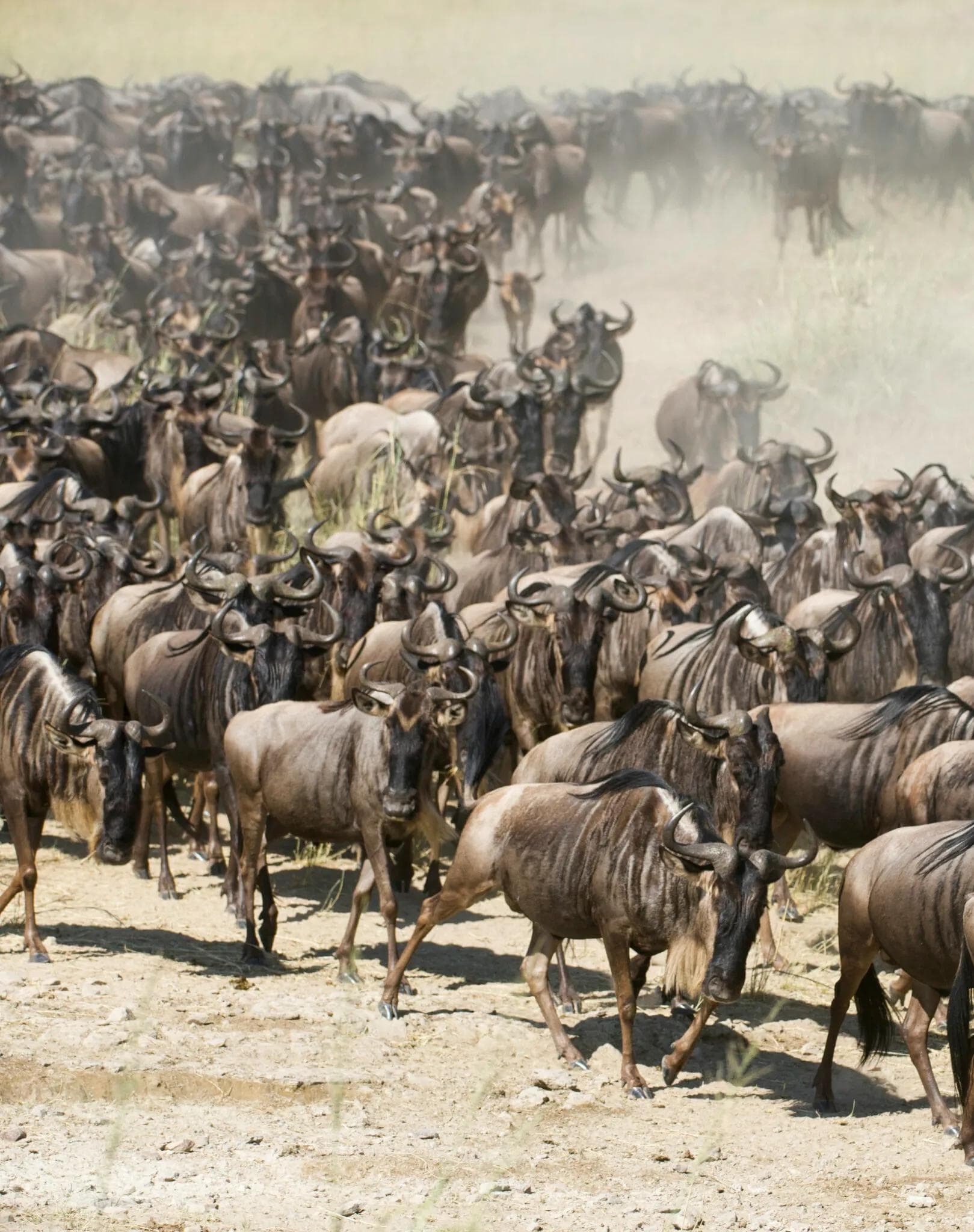
Often called “The Greatest Show on Earth,” this is the most iconic wildlife migration in Africa. Over 1.5 million wildebeest, joined by zebras and antelope, move between Tanzania’s Serengeti and Kenya’s Masai Mara each year.
- Best Time to Go: July–October (Masai Mara river crossings) and January–March (calving in the Serengeti).
- Highlights: Epic Mara River crossings, predator-prey drama, and vast herds across endless plains.
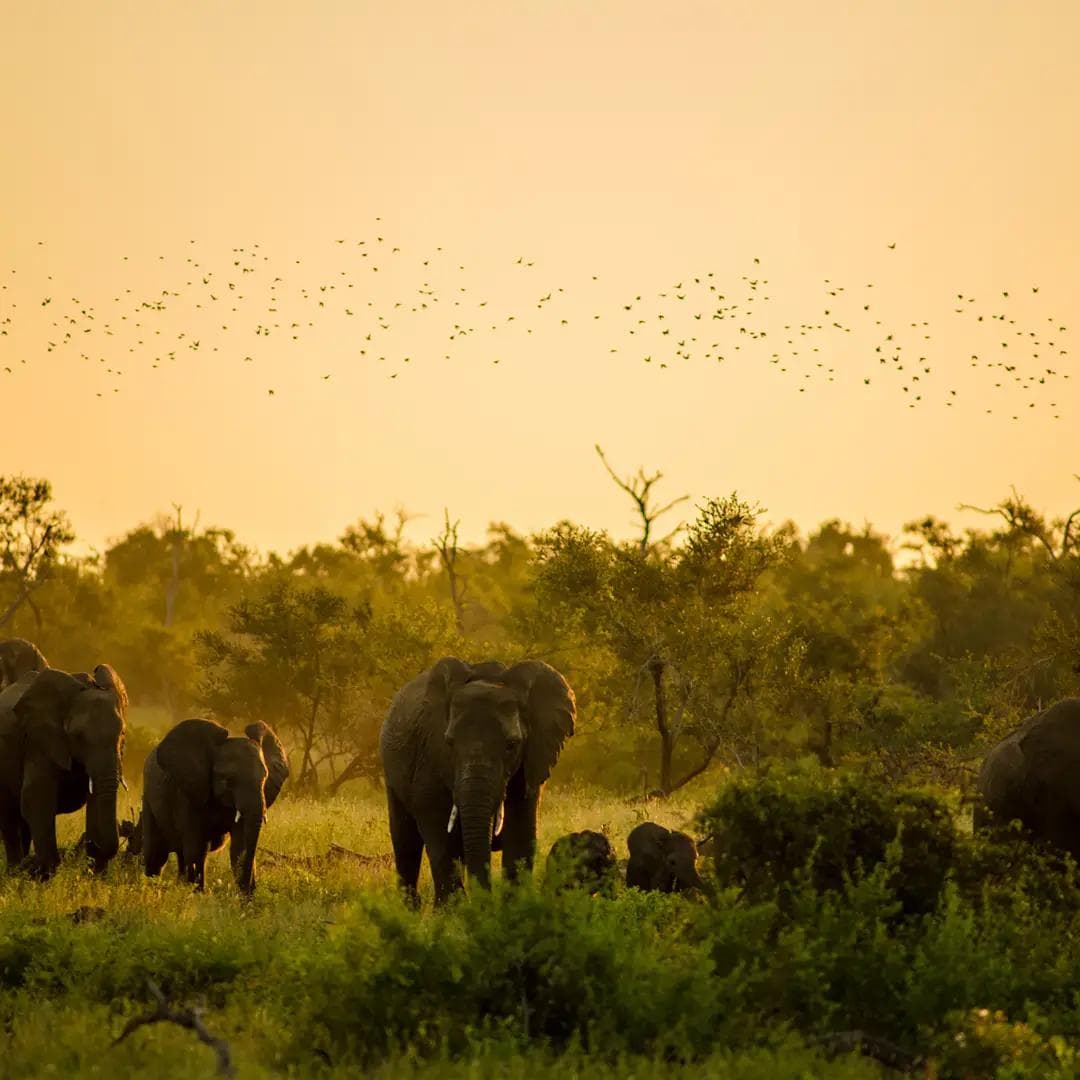
2. The Elephant Migration in Botswana
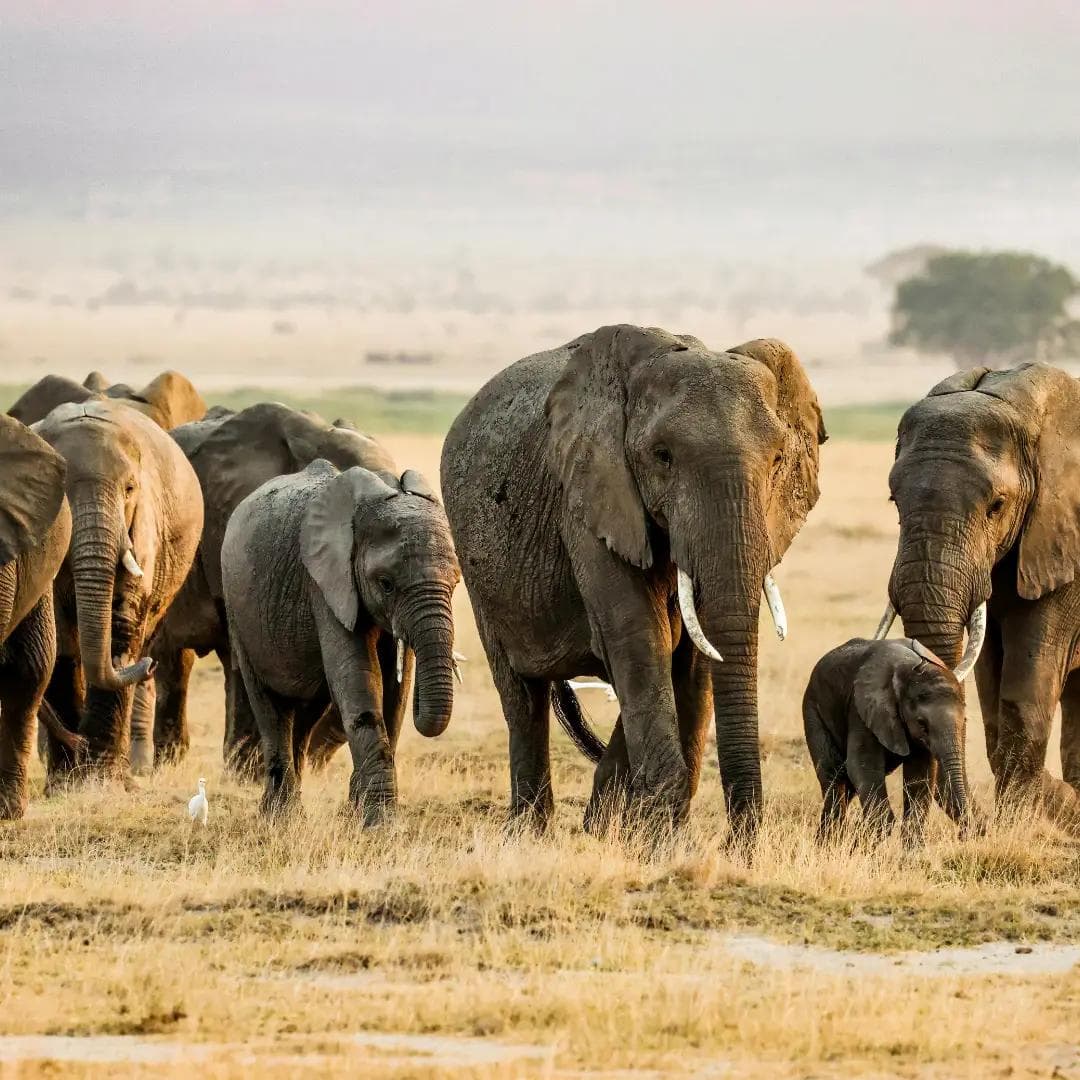
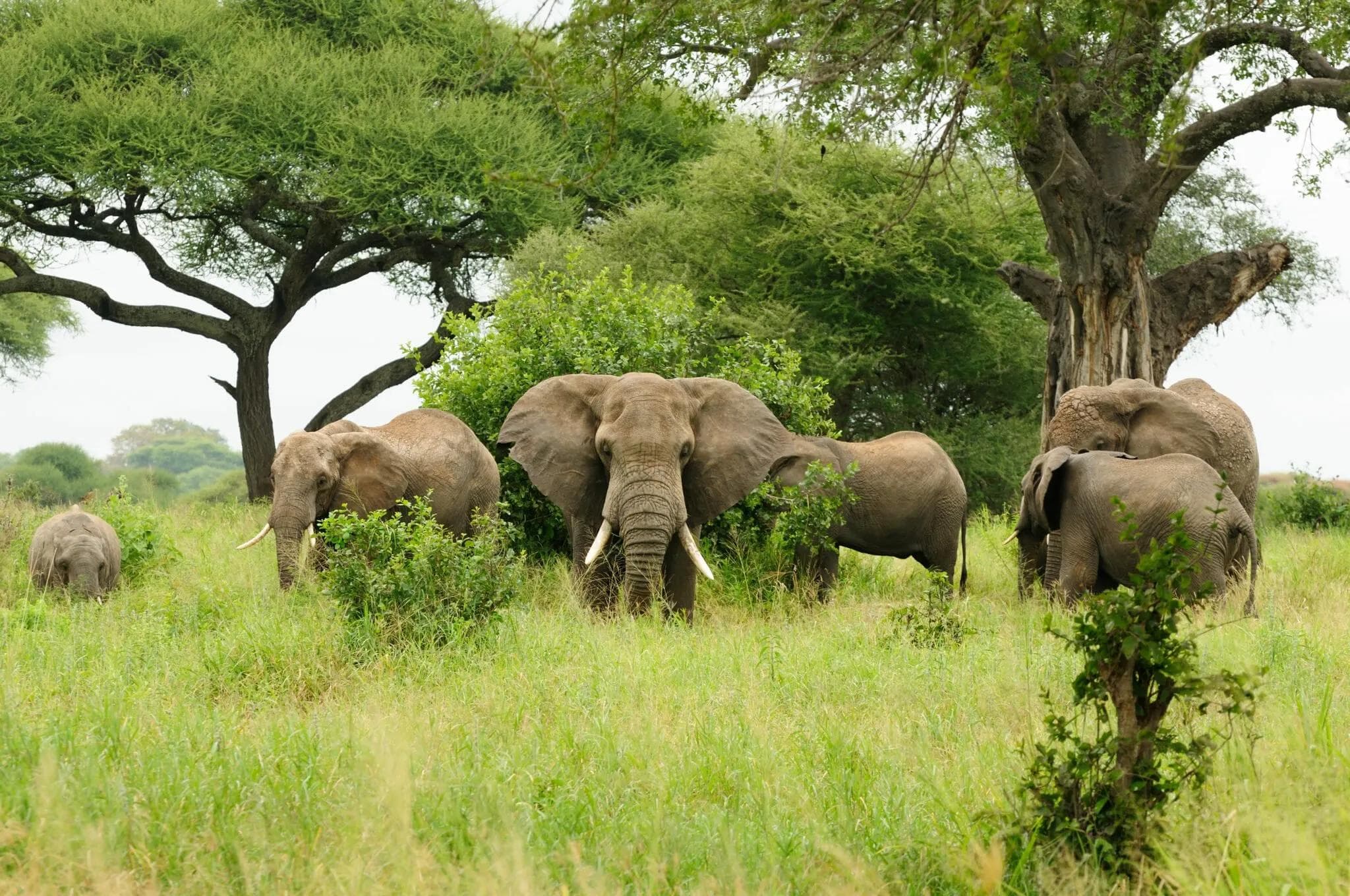
Botswana is home to the world’s largest elephant population, with 50,000+ elephants moving through Chobe, Savuti, and the Linyanti. These “ecosystem engineers” shape landscapes, create grasslands, and drive biodiversity.
- Best Time to Go: July–November (dry season).
- Highlights: Herds crossing rivers at sunset, calves learning migration routes, and predator interactions around watering holes.
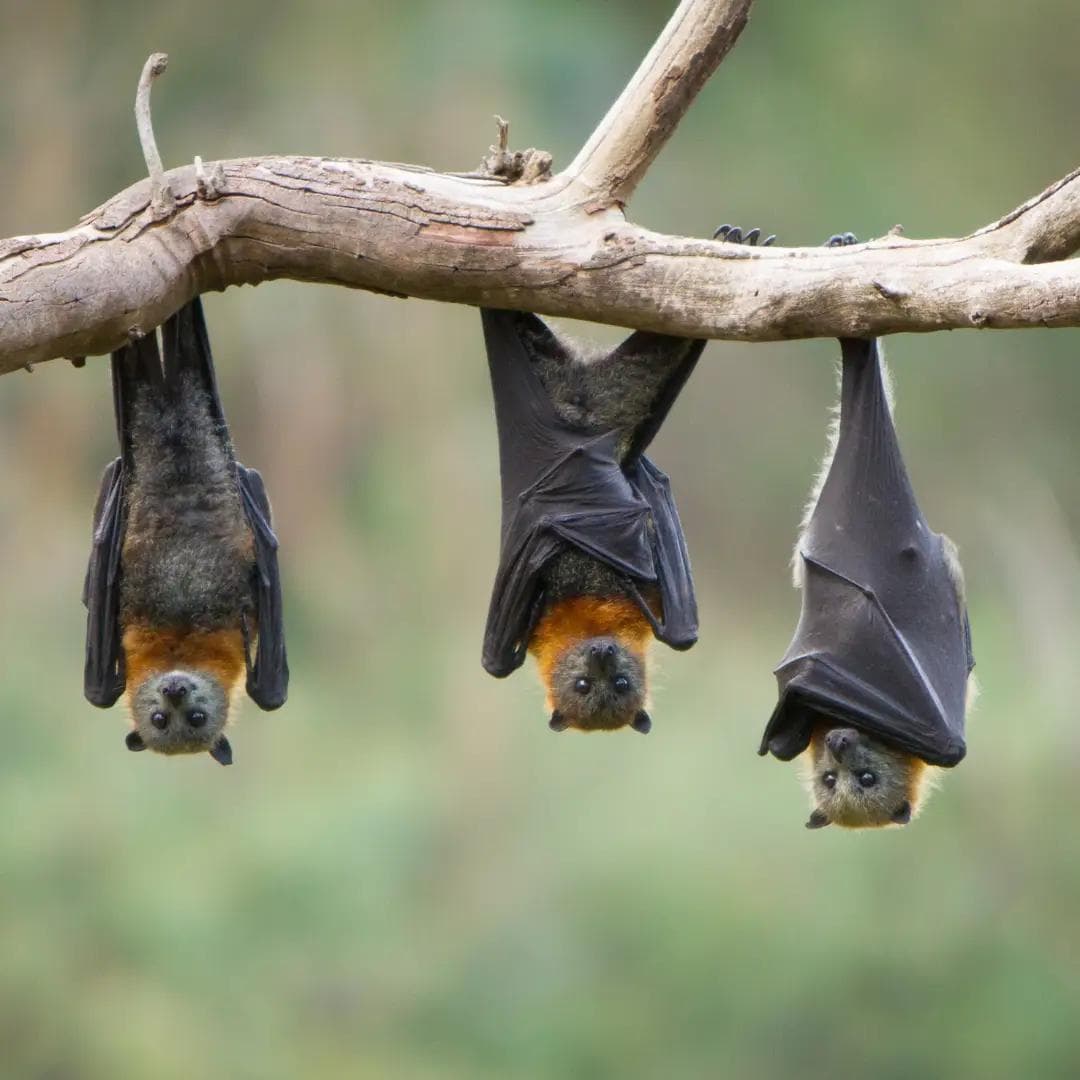
3. The Fruit Bat Migration in Kasanka, Zambia
Each October, Zambia’s Kasanka National Park hosts the largest mammal migration on Earth: 12 million straw-colored fruit bats arriving from the Congo Basin.
- Best Time to Go: Late October–December.
- Highlights: Vast clouds of bats at dusk, pollination and seed dispersal vital to African forests, and rare bird sightings.
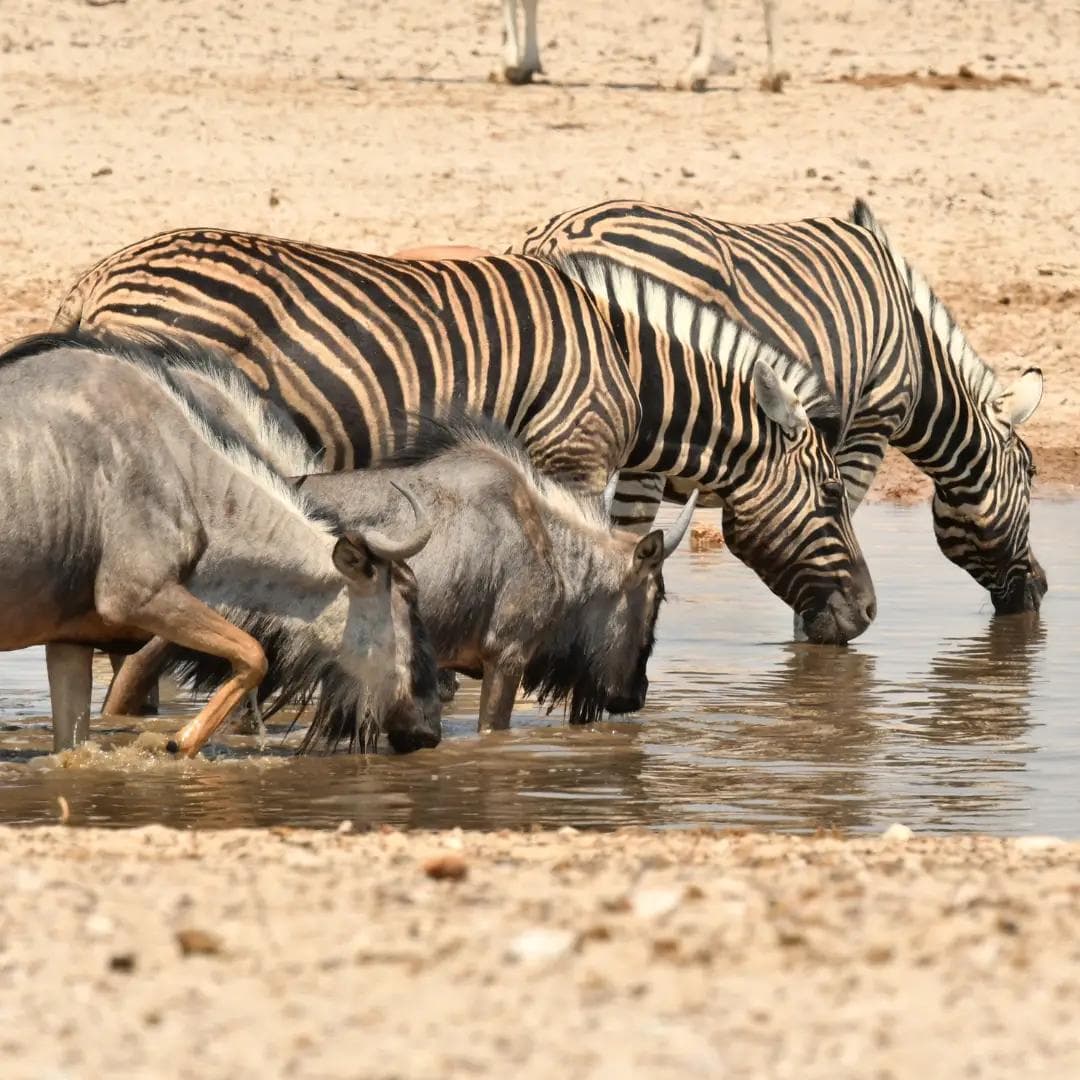
4. The Wildebeest & Zebra of Liuwa Plains, Zambia
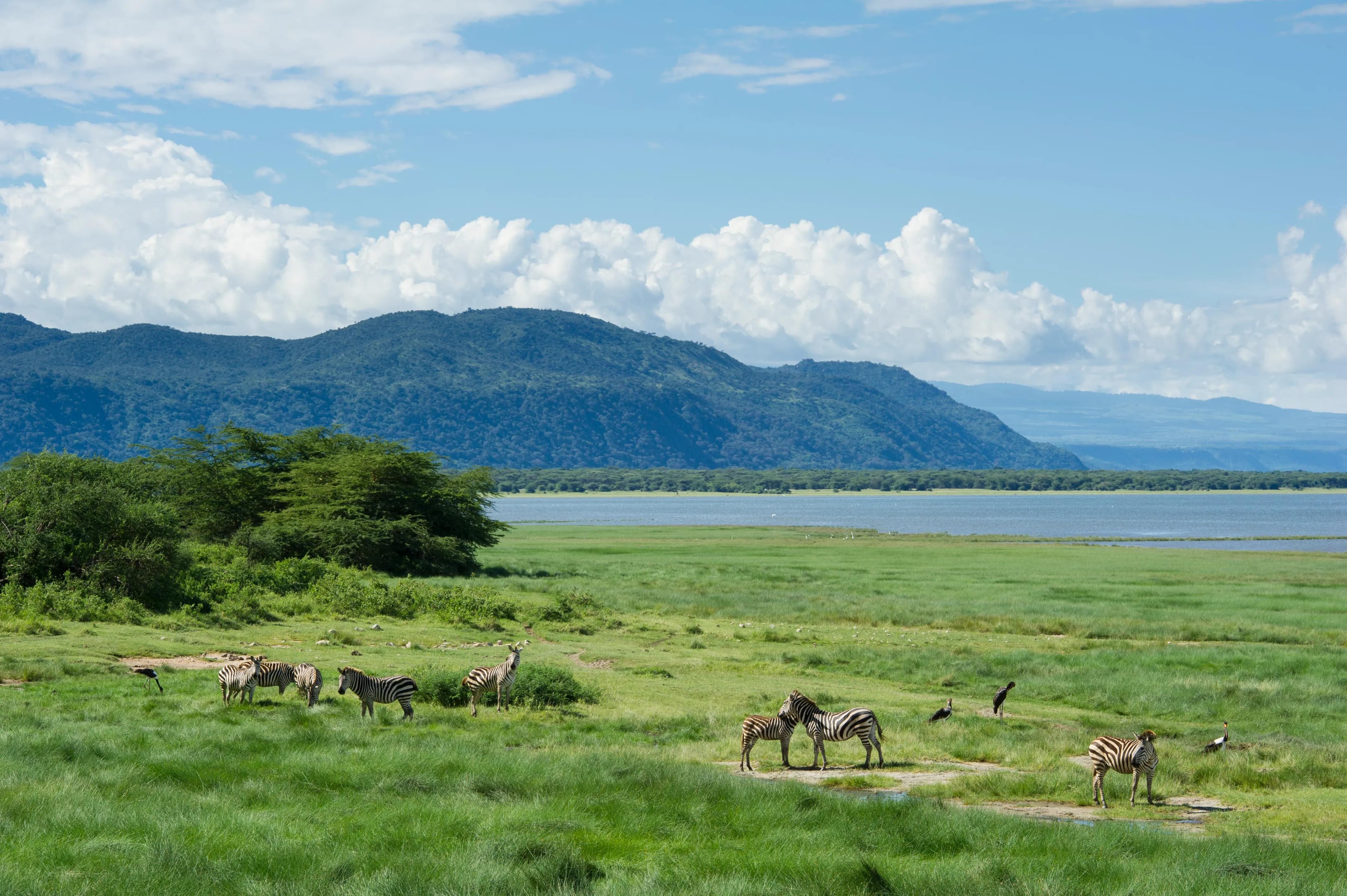
This lesser-known migration involves tens of thousands of wildebeest and zebra crossing the Liuwa Plains. Once nearly lost, this migration has been revived through conservation and eco-tourism.
- Best Time to Go: November.
- Highlights: The return of an ancient migration, pristine landscapes, and intimate safari encounters far from crowds.
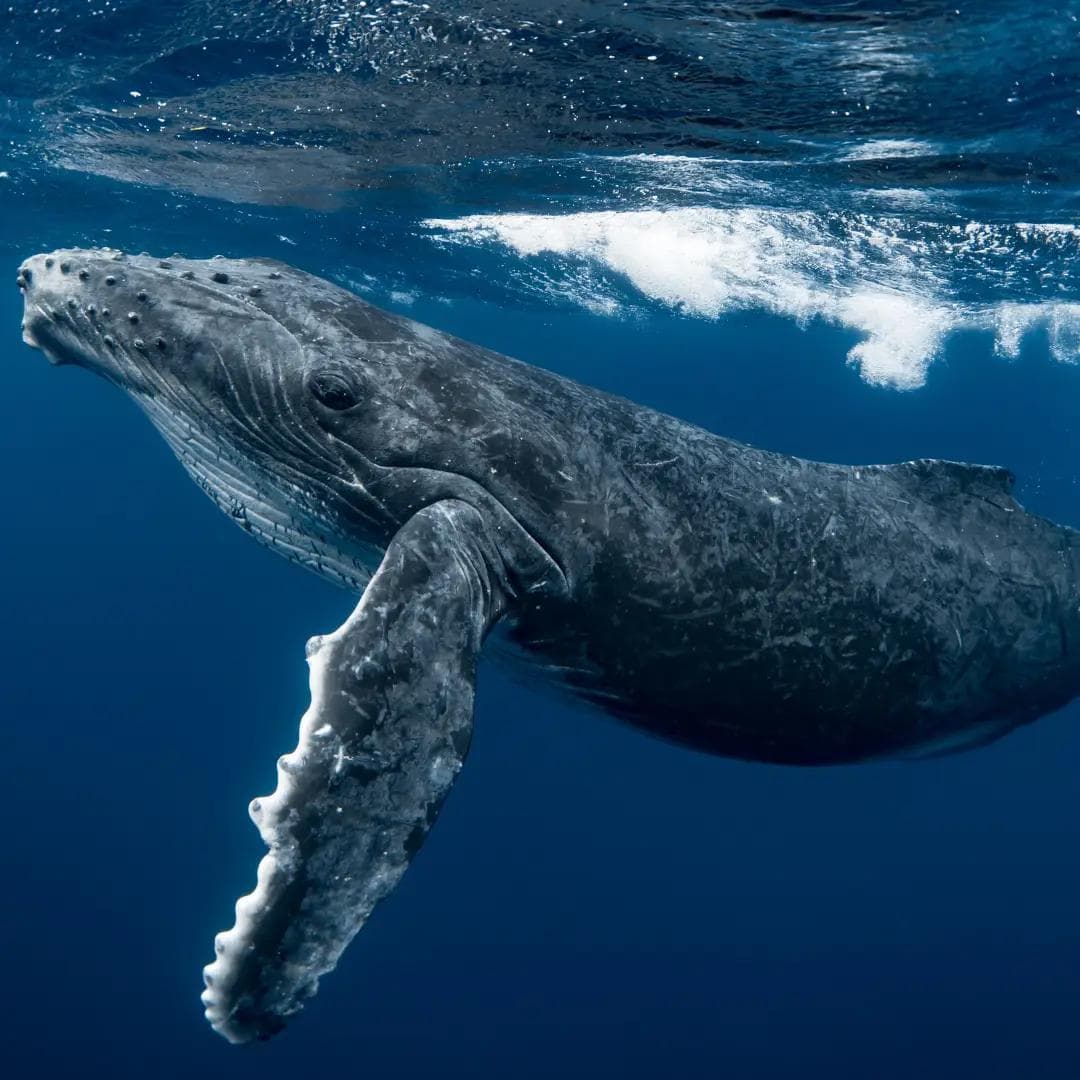
5. Humpback Whale Migration along Africa’s Coast
From June to November, over 15,000 humpback whales travel nearly 10,000 miles from Antarctica to the warm waters off Mozambique, Tanzania, and South Africa to breed and calve.
- Best Time to Go: June–November.
- Highlights: Whale breaching, mothers nursing calves, and thrilling sightings from whale-watching vessels.
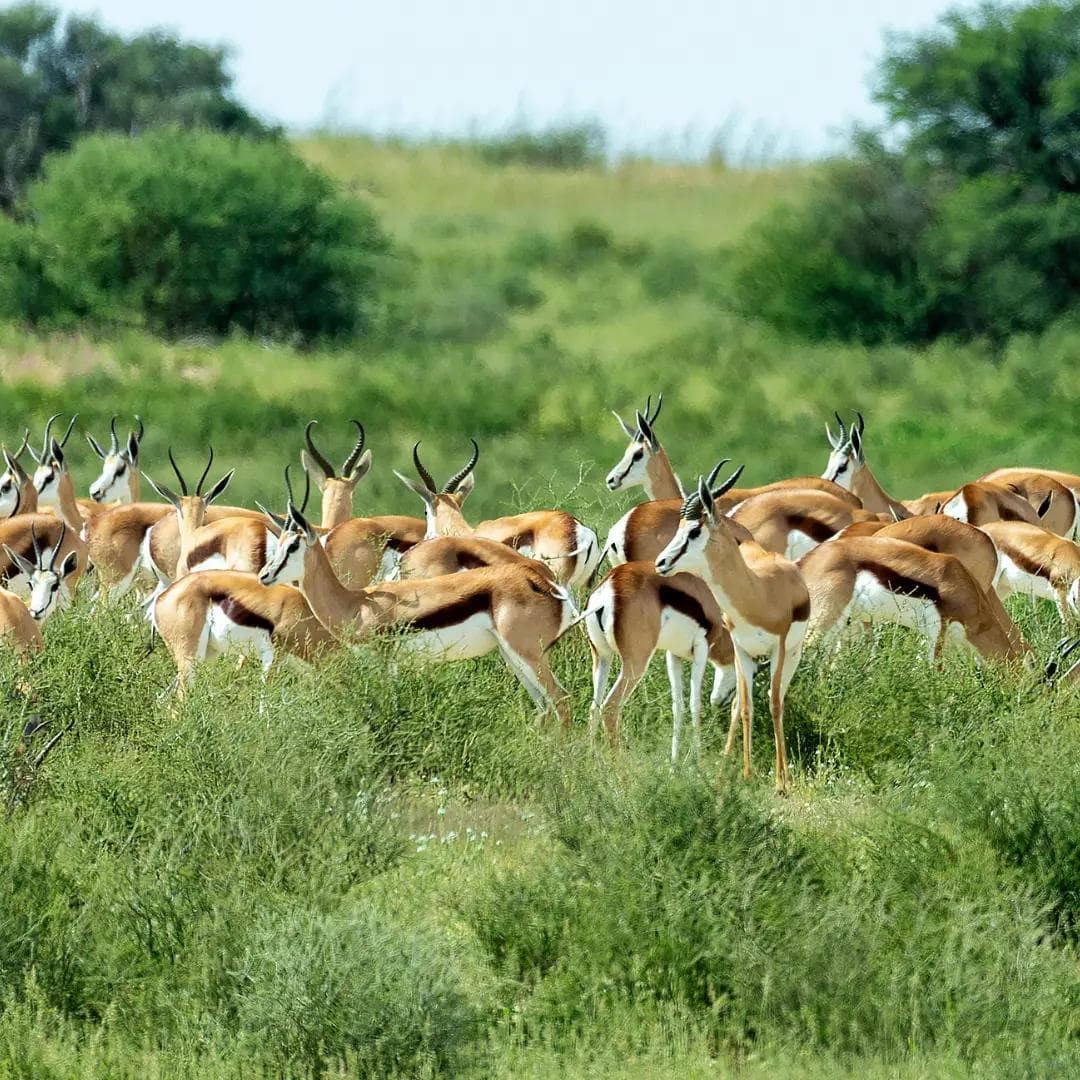
6. The Lost Springbok Migrations of South Africa
Once numbering in the millions, South Africa’s springbok herds roamed in such vast numbers that early settlers described them as “rivers of antelope.” Sadly, fencing, farming, and hunting ended these great migrations by the late 1800s.
Today, conservation projects such as the Mountain Zebra-Camdeboo Corridor are working to restore fragments of these ancient routes.
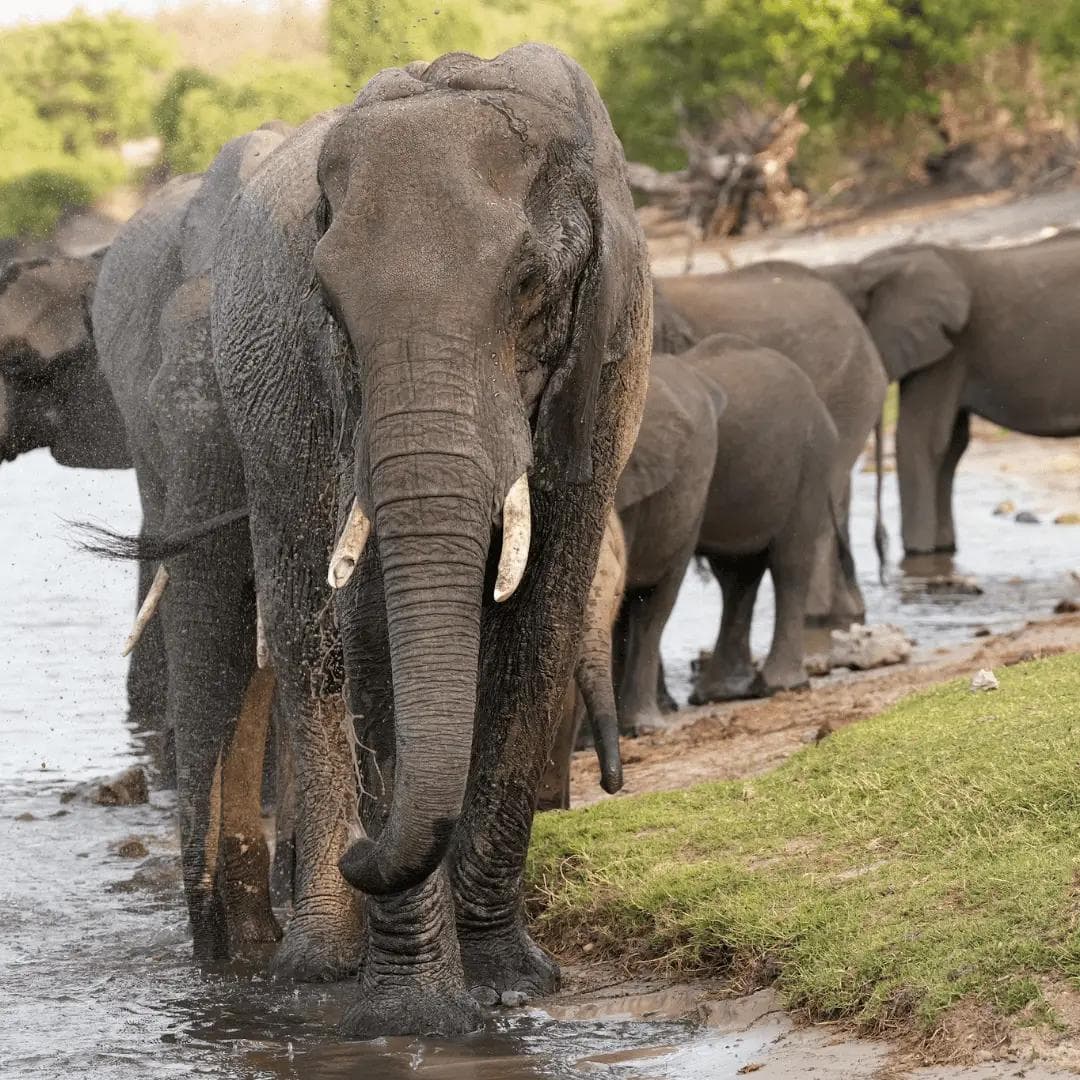
7. Elephant Corridors of the Kavango-Zambezi
A modern conservation triumph, the Kavango-Zambezi Transfrontier Conservation Area has reopened historic migration corridors across five countries—Namibia, Angola, Botswana, Zambia, and Zimbabwe.
- Best Time to Go: Dry season (July–October).
- Highlights: Elephants moving across borders, river crossings in Chobe, and thriving cross-border conservation partnerships.
Why You Should Witness a Migration Safari
Watching a migration is not just a safari—it’s a front-row seat to one of Earth’s most extraordinary dramas. Whether you’re a seasoned traveler, a first-time visitor to Africa, or a wildlife photographer chasing the ultimate shot, a migration safari delivers:
- Once-in-a-lifetime photography opportunities
- A deeper understanding of ecosystems in motion
- The chance to support conservation through tourism
When to Go: Africa’s Migration Calendar
- Serengeti–Masai Mara Wildebeest Migration: July–October (Kenya) / January–March (Tanzania)
- Botswana Elephant Migration: July–November
- Kasanka Fruit Bat Migration: Late October–December
- Liuwa Plains Migration (Wildebeest & Zebra): November
- Humpback Whale Migration: June–November
Plan Your Migration Safari with Fair Trade Safaris
Africa’s mammal migrations are among the most awe-inspiring wildlife spectacles on Earth. With the right planning, you can witness these ancient journeys while enjoying the comfort and luxury of a tailor-made safari.
✨ Ready to see nature in motion?
👉 Explore Our Journeys and start planning your once-in-a-lifetime migration safari today.
Find out more about the different destinations
Ready to share your thoughts?
We love hearing from mindful travelers. Leave a comment below.