
Travel Information
Travel to Mt. Kilimanjaro
When to visit
January, February, August and September are the driest and most
suitable months. Conditions are wetter and less favorable over March- May and November-December, but it’s still possible to climb, and there’s less crowding on the more popular routes.
Did You Know?
The origin of the name Kilimanjaro is hotly disputed. Kilima is Swahili for hill, but njaro could derive from the Chagga word for a trade caravan, a Maasai word meaning water, or the name of a Swahili ice demon.
Highlights
As the tallest mountain in the world that can be climbed without specialist equipment or experience, Kilimanjaro is an irresistible goal to peak-baggers. Any reasonably fit and determined adult should be able to summit, but the thin, cold highland air often induces headaches and other altitude-related symptoms.
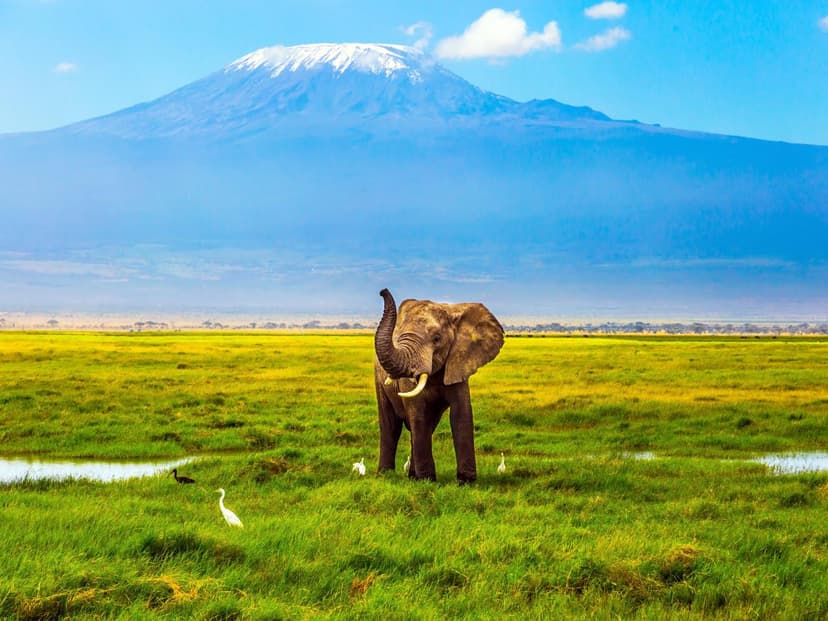
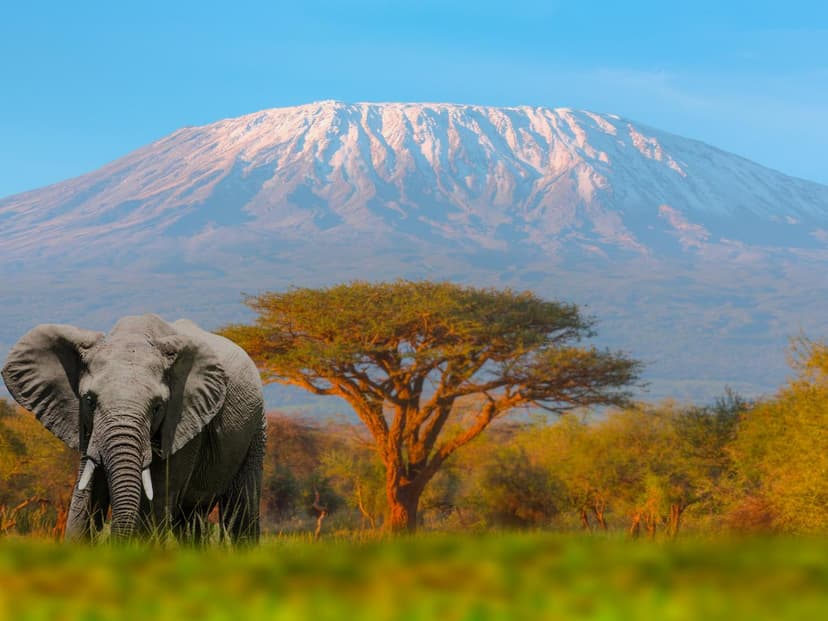
Kilimanjaro supports a sequence of altitudinal vegetation zones. The well-watered slopes below the 10,000ft contour support dense Afromontane forest. At higher altitudes, heath-like Afroalpine moorland, punctuated by stands of otherworldly giant lobelia and groundsel, gives way to a barren rockscape above 15,000ft.
Several routes can be used. Most popular and affordable is the five-day, four night Marangu Route, but it is busier and less scenic then the relatively little-used Machame, Shira, Lemosho and Rongai Routes, all of which require a minimum of six days and five nights, and tend to be costlier because of greater logistical complications.
For the ultimate Kilimanjaro experience, the Northern Circuit takes nine days to hike, and it can be extended to camp overnight inside Kibo Crater – well worth it, both for the incredible glacial scenery and for the relative ease of the final ascent to the peak.
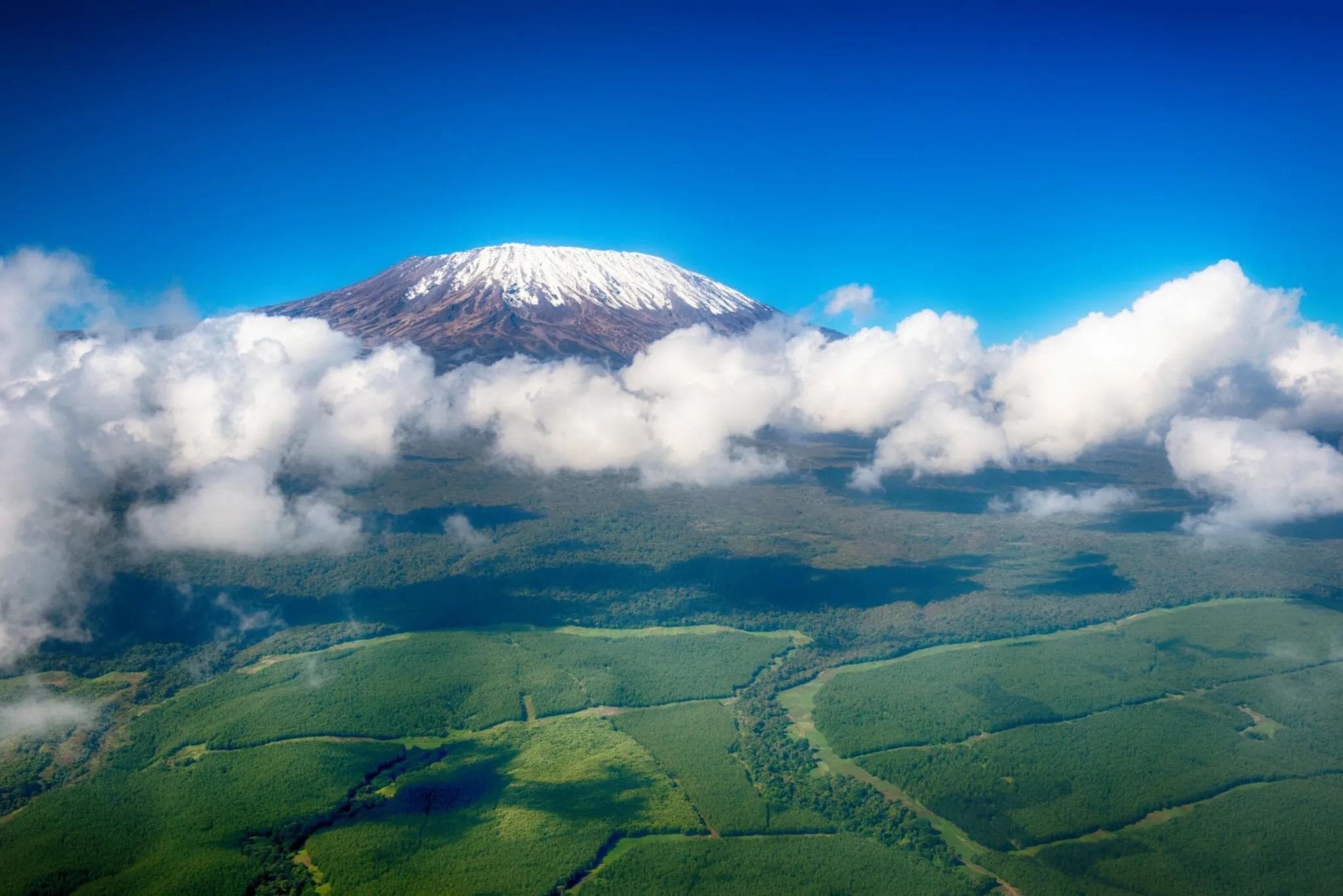
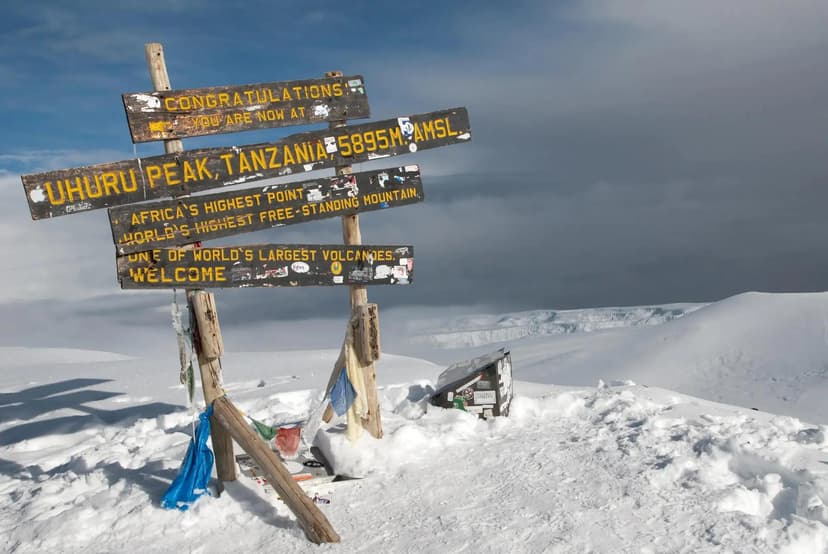
An instantly recognizable landmark and UNESCO World Heritage Site, snowcapped Kilimanjaro is Africa’s tallest mountain and the highest freestanding massif anywhere in the world. Capped by the 19,341ft-high Uhuru Peak, ‘Kili’– as it’s referred to locally – is a popular goal with hikers, requiring no technical ability but at least five days to climb.
Photo Highlights
Practical Information
Practical Stuff
Getting there
A busy hub for international and domestic flights, Kilimanjaro
International Airport lies about an hour’s drive from most of the main
trailheads.
Itineraries
* Pricing is based on a group of 4 guests traveling together, and with each guest sharing accommodations with one other guest (i.e. double occupancy). Also, the cost per person will vary depending on the season / month of travel – for example, pricing will be higher during dates between Christmas Eve & New Year’s Day, as well as during other peak travel times.
What’s on the Menu
Tanzania’s cuisine is a vibrant blend of Swahili coastal flavors, African staples, and international influences. Guests can enjoy local specialties such as nyama choma (grilled meat), ugali (maize porridge), and coconut-infused curries, along with fresh seafood from the Indian Ocean—snapper, prawns, and lobster prepared with fragrant spices.
Along the coast and on Zanzibar, menus reflect the island’s spice trade heritage, featuring cinnamon, cloves, and cardamom in both savory dishes and desserts. Tropical fruits—mango, pineapple, papaya, and passion fruit—are abundant year-round.
Most lodges and camps balance authentic local dishes with Western comfort foods, offering familiar breakfast spreads of fresh fruit, pastries, cereals, and eggs to order, and lunch or dinner options such as pasta, roast meats, and vegetarian choices.
Special dietary needs are easily catered for with advance notice. Dining in Tanzania often goes beyond the restaurant, with unforgettable experiences such as bush breakfasts on the Serengeti or sunset dinners overlooking the Ngorongoro Crater.
Explore Other Destinations
Mount Kilimanjaro Travel Questions
How long does it take to climb Mount Kilimanjaro?
Most climbs take 6–9 days depending on the route.
Longer routes improve acclimatization and summit success rates. Popular route durations include:
- 6–7 days (standard routes)
- 8–9 days (premium acclimatization routes)
We typically recommend longer routes for a safer and more enjoyable experience.
What are the best routes to climb Kilimanjaro?
Popular routes include:
- Machame Route – Scenic and widely chosen
- Lemosho Route – Longer and excellent for acclimatization
- Marangu Route – Hut-based accommodation
- Rongai Route – Drier northern approach
Luxury climbs often use Lemosho or Machame due to their scenic value and success rates.
Can I combine Kilimanjaro with a safari?
Yes — this is one of the most popular East Africa itineraries.
Travelers often:
- Climb Kilimanjaro first
- Recover in a luxury safari lodge
- Continue to Serengeti or Ngorongoro
Some itineraries also include beach relaxation in Zanzibar.
This combination blends achievement, wildlife, and relaxation.
How physically fit do I need to be to climb Kilimanjaro?
Moderate to strong fitness is required.