Step Into the Wild—Safely
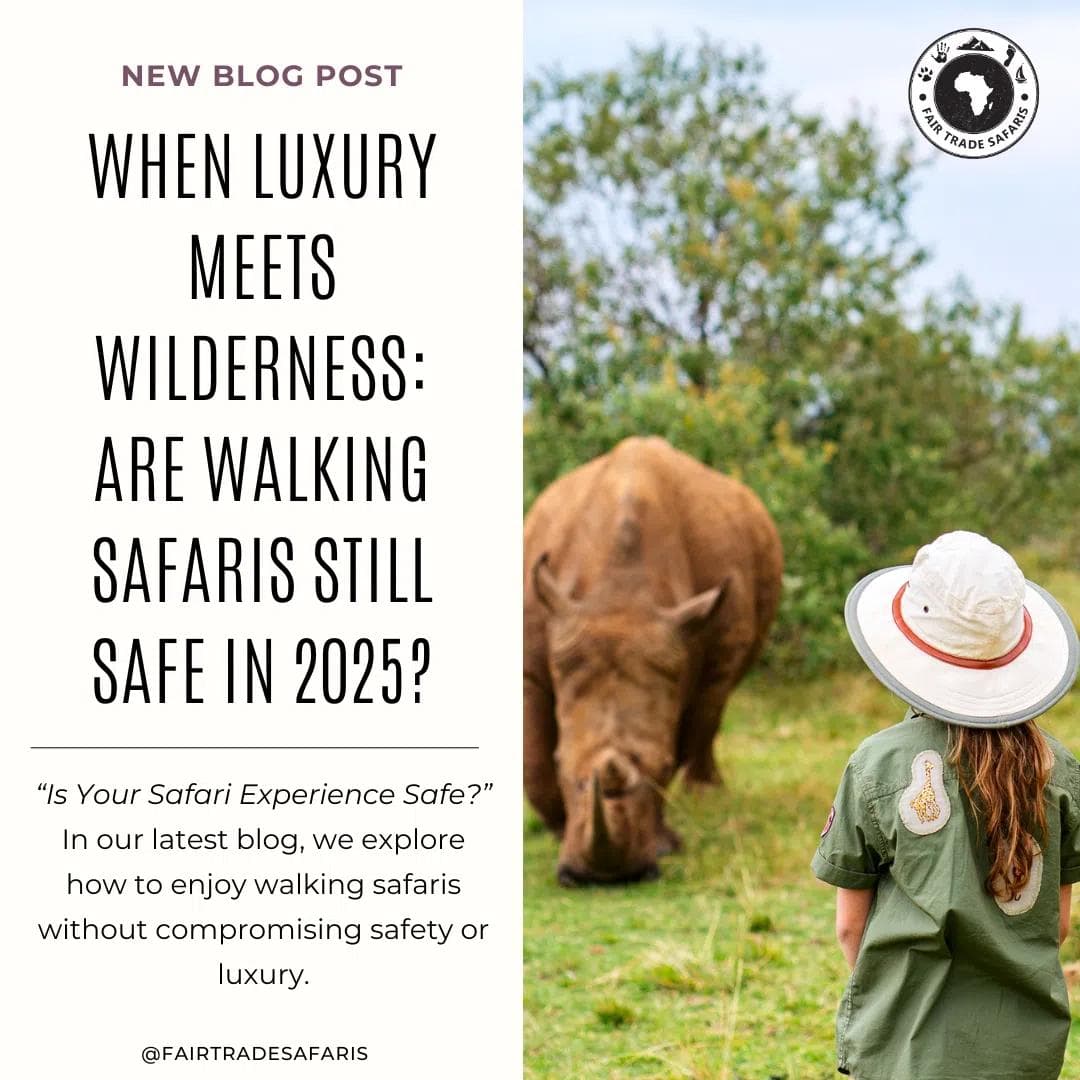
When Luxury Meets Wilderness: Are Walking Safaris Still Safe in 2025?
Dive into current safety considerations for walking safaris, blending luxury and wilderness, with tips on what travelers should know before hitting the trail in 2025.
When Luxury Meets Wilderness: Are Walking Safaris Still Safe in 2025?
Understanding the Realities, Risks & Rewards of Close-Up Safari Experiences
The allure of a walking safari is undeniable. There’s a primal thrill in stepping into nature—on foot, face to face with Africa’s raw wilderness. For luxury travelers, it offers intimacy and immersion beyond the boundaries of a 4×4. But recent headlines have ignited a vital question: Is it safe?
In light of a tragic incident in Zambia just last week, where two tourists lost their lives during a walking safari, many are re-evaluating what “luxury” really means in the safari world. For those seeking unforgettable, ethical, and safe encounters with nature, understanding the nuances of walking safaris has never been more important.
What Makes Walking Safaris So Popular?
From the sweeping savannahs of the Masai Mara to the wetland mosaics of Botswana’s Okavango Delta, walking safaris offer:
- Deeper sensory engagement – Hear every crunch of grass, every rustle in the bush.
- Educational depth – Guides share insights into animal tracks, plant use, and ecology.
- Slow travel luxury – Intimate pacing, often guided by experts with deep ecological training.
What Are the Real Risks?
While walking safaris are usually led by expert guides, they inherently place guests in close proximity to wild, unpredictable animals. Risks are amplified by:
- Unfamiliar terrain and weather conditions.
- Unexpected animal behavior, especially during breeding or migration.
- Operator inexperience or lack of proper safety training.
- Guests unaware of safari etiquette (e.g., sudden movements, loud noises).

What Are the Real Risks?
While walking safaris are usually led by expert guides, they inherently place guests in close proximity to wild, unpredictable animals. Risks are amplified by:
- Unfamiliar terrain and weather conditions.
- Unexpected animal behavior, especially during breeding or migration.
- Operator inexperience or lack of proper safety training.
- Guests unaware of safari etiquette (e.g., sudden movements, loud noises).

A Responsible Adventure
Walking safaris are not inherently dangerous—they’re a profound part of the safari story. But as conservation areas evolve and climate pressures increase, guests must demand responsibly run, professionally guided experiences.
As travelers, we must balance our thirst for connection with nature with the responsibility to respect its unpredictability—and our own limitations.
Planning a Safe, Luxurious Walking Safari?
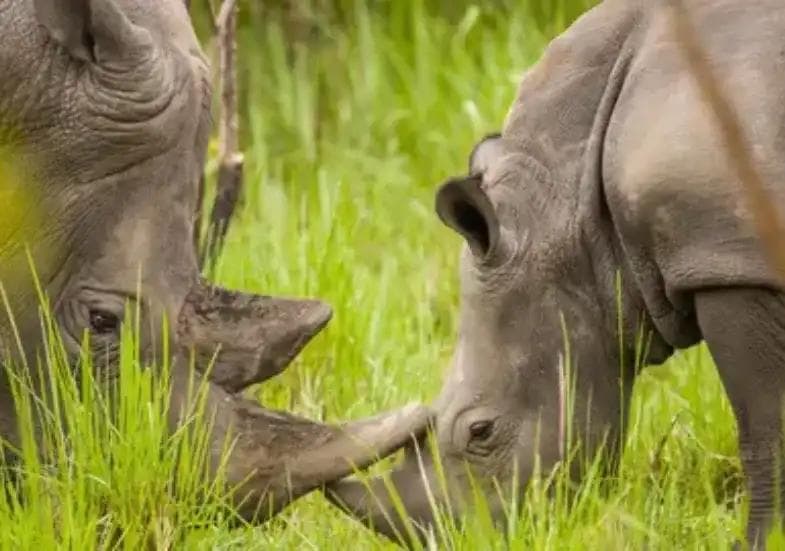
At #FairTradeSafaris, we only partner with hand-picked, conservation-focused lodges and guides who uphold the highest safety standards. Whether you’re exploring Lewa’s rhino sanctuaries or the Okavango’s elephant corridors, you’ll walk in awe—and in good hands.
📩 Contact us for custom itineraries with vetted walking safari experiences across Kenya, Botswana, and beyond.
Explore all Our Itinenaries
Explore ExperiencesReady to share your thoughts?
We love hearing from mindful travelers. Leave a comment below.