Our Favorite Places to Visit on a Zambia and Zimbabwe Safari
Discover our favorite places on a Zambia and Zimbabwe safari, from Victoria Falls and South Luangwa to Hwange and Mana Pools, plus tips on timing and routes.
Our Favorite Places to Visit on a Zambia and Zimbabwe Safari
The Zambezi River ties these two countries together. It thunders over Victoria Falls, slows through wild floodplains, and widens into the vast waters of Lake Kariba.
On either side, you'll find some of Africa's most rewarding safari country. Here are walking trails where the walking safari was born, canoe routes past grazing elephants, and granite hills that hide ancient rock art.
These are the places we love most across Zambia and Zimbabwe, and why they belong on your safari wish list.
Why Combine Zambia and Zimbabwe?
Zambia and Zimbabwe share a border, a river, and one of the world's great waterfalls. That makes them natural partners on one itinerary.
Explore our Zambia and Zimbabwe destination pages for more inspiration.
Both countries are known for excellent guiding, especially on foot. Many camps are small and remote, so the experience often feels personal and unhurried.
Crossing between them can also be simple. Eligible travelers can use the KAZA UNIVISA, a joint tourist visa covering both countries. Check the current rules for your nationality before you travel.
Victoria Falls: Where Two Countries Meet
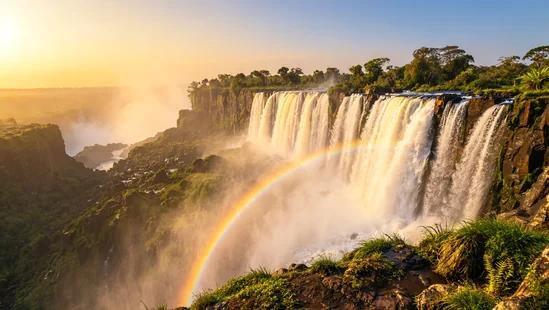
Victoria Falls sits on the border, and you can experience it from both sides. Livingstone is the Zambian gateway, while the town of Victoria Falls is the Zimbabwean one.
The Falls change dramatically through the year. Water is usually at its highest around March to May, when the spray rises high and rainbows hang over the gorge. Later in the dry season, the curtain of water thins, and the views of the rock face become clearer.
In the low-water months, adventurous travelers can visit Livingstone Island and Devil's Pool on the Zambian side. Access depends on water levels and age limits, so it's never guaranteed.
Beyond the Falls, there are sunset cruises on the upper Zambezi, scenic flights, gorge activities, and local markets and food experiences.
Choose this if: you want a dramatic start or finish to your safari, with plenty to do between game drives.
South Luangwa, Zambia: Home of the Walking Safari
South Luangwa is where the walking safari began. Conservationist Norman Carr pioneered photographic and walking safaris here, long before they were common elsewhere.
The park is also known as the Valley of the Leopard, and sightings are a highlight for many guests. Elephants, hippos, buffalo, and abundant birdlife make the Luangwa River a constant source of activity.
In the dry season, some camps offer multi-day walks between small bush camps. You arrive on foot, with your bags waiting for you.
Choose this if: you want expert guiding, leopard country, and the thrill of exploring on foot.
Lower Zambezi, Zambia: Life on the River
The Lower Zambezi National Park faces Mana Pools across the river. Here, the Zambezi becomes the main stage.
Guided canoe trips are a favorite. Gliding quietly along the channels, you may see elephants feeding on the banks, hippos surfacing nearby, and fish eagles calling overhead.
Boat trips, game drives, and walks round out the experience. It pairs beautifully with Victoria Falls or South Luangwa.
Choose this if: you love water-based safaris and want a quieter, slower pace.
Kafue, Zambia: Big, Wild, and Uncrowded
Kafue is Zambia's largest national park, covering about 22,400 square kilometers. That's larger than South Africa's Kruger National Park.
In the far north, the Busanga Plains become a wildlife hotspot in the dry season. Expect open floodplains, red lechwe antelope, and predators on the move. The plains are cut off by rains for much of the wet season, so timing matters.
Kafue sees relatively few visitors for its size, which is part of its appeal.
Choose this if: you want space, solitude, and a sense of true wilderness.
Hwange, Zimbabwe: Elephant Country
Hwange is Zimbabwe's largest national park, covering roughly 14,650 square kilometers. It is famous for one of Africa's largest elephant populations.
In the dry season, waterholes become magnets for wildlife. Watching elephant herds arrive at dusk is an unforgettable experience. Lion, buffalo, giraffe, and painted wolves (African wild dogs) also live here.
Hwange is within easy reach of Victoria Falls by road or light aircraft, which makes it a convenient pairing.
Choose this if: you dream of big elephant herds and classic game drives.
Mana Pools, Zimbabwe: Walking and Canoeing on the Zambezi
Mana Pools is a UNESCO World Heritage Site on the southern bank of the Zambezi. Its open floodplains and tall winterthorn trees create a golden, almost cathedral-like setting.
The park is celebrated for walking and canoe safaris, led by highly skilled guides. Elephants, buffalo, hippos, and wild dogs are among the highlights.
Most camps operate in the dry season, roughly May to October, when wildlife gathers near the river.
Choose this if: you want an intimate, photographer-friendly safari at ground level.
Lake Kariba, Zimbabwe: Sunsets on the Water
Lake Kariba is one of the world's largest man-made lakes. Its drowned trees and wide horizons create some of the most striking sunsets in Africa.
A houseboat stay or lakeside lodge offers a relaxed change of pace. Fishing, boat-based game viewing, and evenings on deck make it a peaceful contrast to busier safari days.
Choose this if: you'd like a slower chapter between wildlife-focused stops.
Matobo Hills, Zimbabwe: Rhino, Rock Art, and History
Matobo Hills is a UNESCO World Heritage Site near Bulawayo. Its granite domes and balancing boulders look almost otherworldly.
The hills hold one of southern Africa's highest concentrations of rock art, dating back at least 13,000 years. Guided visits bring that history to life.
Matobo is also one of the best places in Zimbabwe to track white and black rhino on foot with experienced guides.
Choose this if: you want a mix of wildlife, culture, and dramatic scenery.
How to Combine Your Favorites
There's no single right route, but a few pairings work especially well:
- Falls and elephants: Victoria Falls with Hwange, an easy and rewarding combination.
- Rivers and walking: Victoria Falls, Lower Zambezi, and South Luangwa for canoeing and walking safaris.
- Zimbabwe in depth: Hwange, Mana Pools, and Matobo Hills for elephants, river life, and rhino tracking.
- Something for everyone: Victoria Falls, Kafue, and Lake Kariba for adventure, solitude, and relaxation.
Light aircraft often connect remote parks, so check luggage limits and allow realistic time for transfers. For broader advice, see our Ultimate Safari Planning Guide.
When to Go
The dry season, roughly May to October, is generally best for game viewing. Animals gather near water, and vegetation thins out.
The green season brings lush landscapes, newborn animals, and excellent birding, though some remote camps close. Victoria Falls is a year-round destination, but its character changes with the water levels.
If a particular activity is central to your trip, such as Devil's Pool or the Busanga Plains, plan your dates around it.
Travel with Care
Many of the most memorable experiences in Zambia and Zimbabwe come from local guides, trackers, and communities.
Choose camps that employ locally, support conservation, and manage waste and water responsibly. Follow your guide's instructions on foot and on the water, and keep a respectful distance from wildlife.
You can read more about how we approach responsible travel on our sustainable tourism page.
Final Thoughts
Zambia and Zimbabwe reward travelers who want more than a checklist. Whether you walk with a guide in South Luangwa, paddle past elephants on the Zambezi, or feel the spray of Victoria Falls, these places stay with you.
Start with the experiences that excite you most, and let the river guide the rest.
Follow the Zambezi with Us
Tell Fair Trade Safaris which experiences excite you most, when you'd like to travel, and your preferred pace. We'll help shape a Zambia and Zimbabwe safari around you.
Plan My Zambezi SafariReady to share your thoughts?
We love hearing from mindful travelers. Leave a comment below.