Discover the Wild Beyond the Icons
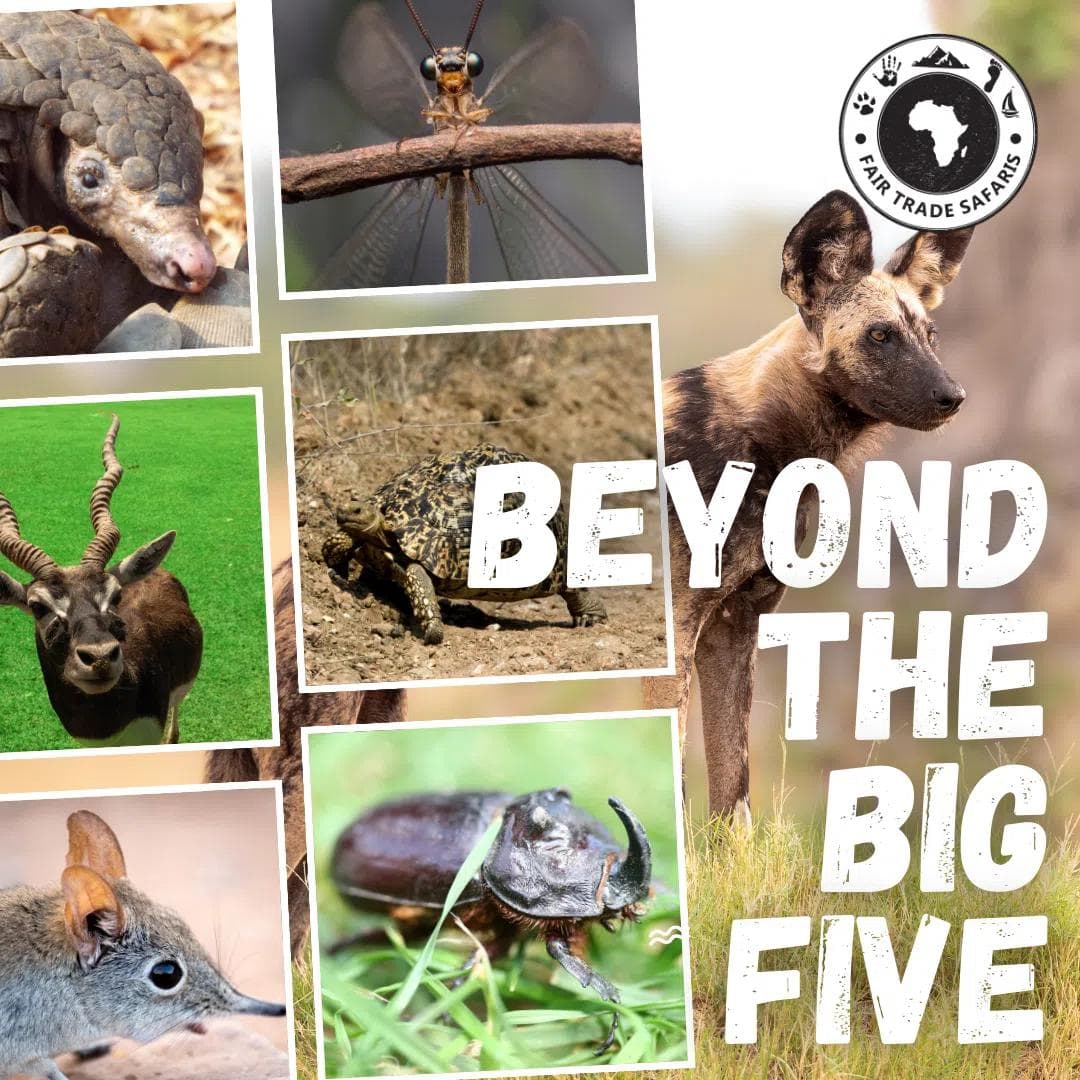
Beyond the Big Five: Africa’s Hidden Wildlife Gems and Where to Spot Them
Explore Africa’s lesser-known wildlife wonders and where to find them, from rare species to unique habitats off the typical safari path.
Beyond the Big Five: Africa’s Hidden Wildlife Gems and Where to Spot Them
When it comes to African safaris, the Big Five often steal the spotlight. But what about the lesser-known, equally fascinating creatures that roam Africa’s wilderness? From the quirky antics of the pangolin to the elusive aardvark, Africa is home to a treasure trove of hidden wildlife gems. Join us as we explore these unsung heroes of the savannah and where you can spot them.
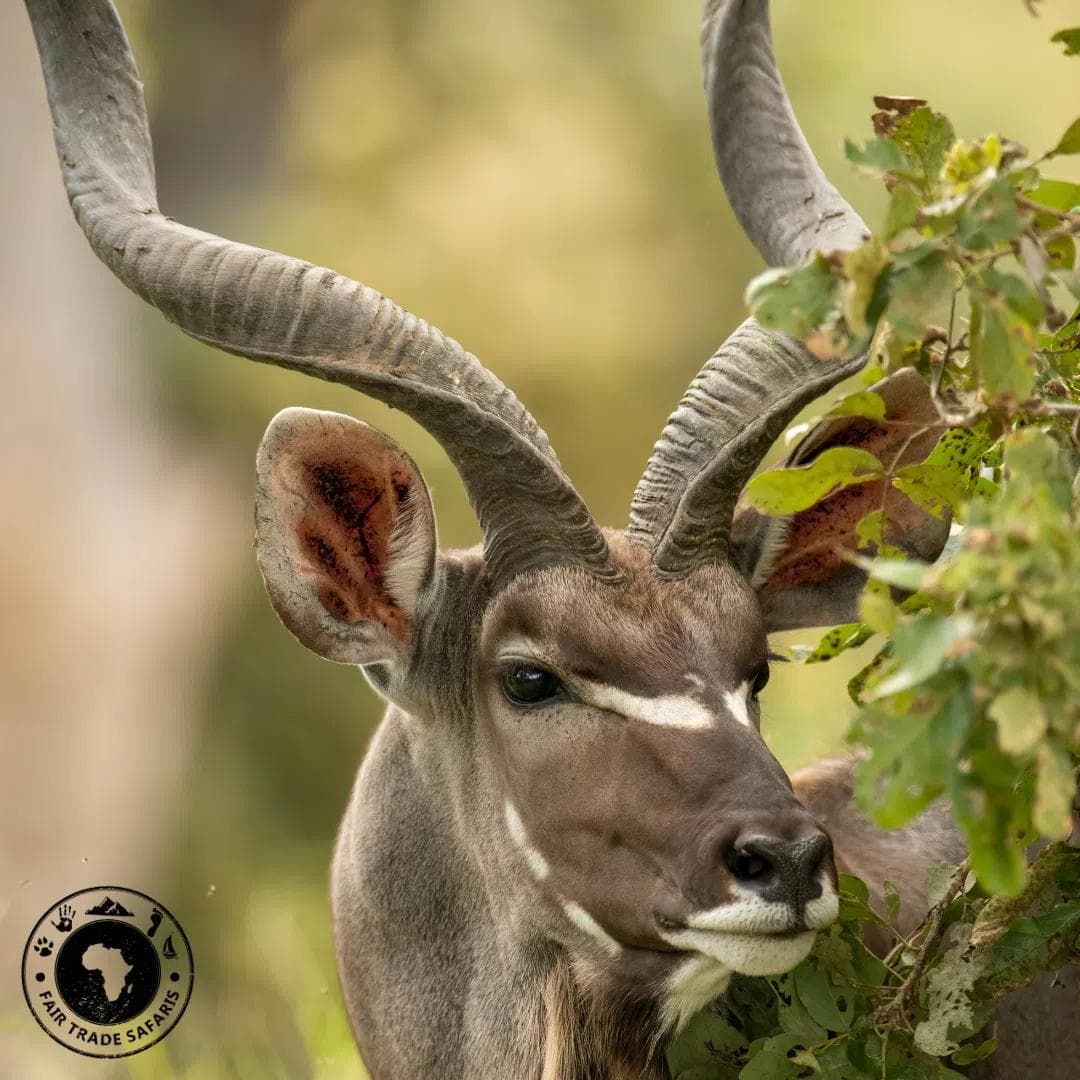
Meet the Spectacular Spiral-Horned Antelopes
With their striking, spiral-shaped horns, kudu, nyala, and bushbuck are some of Africa’s most elegant antelope species. While they may not roar like lions or charge like rhinos, their quiet grace adds a special charm to any safari.
Where to Find Them: Head to South Africa’s Kruger National Park or Zimbabwe’s Mana Pools, where these antelopes are often seen grazing near waterholes during the dry season.
Fun Fact: The greater kudu can leap up to 3 meters (9 feet) high, making them incredible escape artists when predators are near.
Meet the Spectacular Spiral-Horned Antelopes
With their striking, spiral-shaped horns, kudu, nyala, and bushbuck are some of Africa’s most elegant antelope species. While they may not roar like lions or charge like rhinos, their quiet grace adds a special charm to any safari.
Where to Find Them: Head to South Africa’s Kruger National Park or Zimbabwe’s Mana Pools, where these antelopes are often seen grazing near waterholes during the dry season.
Fun Fact: The greater kudu can leap up to 3 meters (9 feet) high, making them incredible escape artists when predators are near.
Discover Africa’s Little Five
Move over, Big Five! The Little Five—antlion, elephant shrew, leopard tortoise, rhino beetle, and buffalo weaver—are proof that size isn’t everything when it comes to fascinating wildlife. These small but mighty creatures are the unsung heroes of Africa’s ecosystems, showcasing the intricate beauty of the bush.
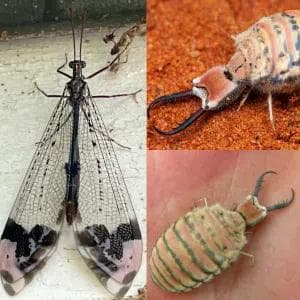
- Antlion
The antlion larvae are miniature predators that create cone-shaped sand traps to capture ants. Watching them lie in wait and spring into action is a lesson in patience and precision.
Where to Spot: Dry, sandy areas across Southern and East Africa. Look closely at the base of bushes or trees for their traps.
Fun Fact: Antlions are sometimes called “doodlebugs” because of the winding trails they leave in the sand as they search for a good place to dig.
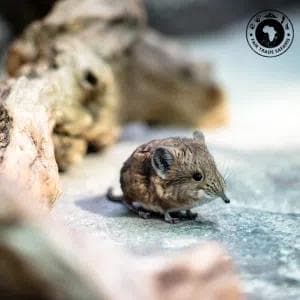
- Elephant Shrew
These tiny, mouse-like mammals with long, pointed snouts are speedy for their size, capable of darting through the undergrowth at astonishing speeds. Despite their name, they are more closely related to elephants than to shrews.
Where to Spot: Look for them in rocky or wooded areas, such as South Africa’s Kruger National Park or Tanzania’s Serengeti.
Fun Fact: Elephant shrews use a system of cleared trails to quickly escape predators—a behavior that mirrors the migration routes of larger animals.
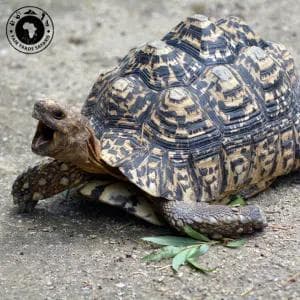
- Leopard Tortoise
Easily recognized by the leopard-like patterns on their shells, these tortoises are the largest of Africa’s small tortoise species. They’re not just slow movers; they’re also excellent climbers and surprisingly agile.
Where to Spot: Frequently seen in savannahs across East and Southern Africa, particularly in Kenya and Botswana.
Fun Fact: Leopard tortoises can live up to 100 years, making them one of Africa’s longest-living reptiles.
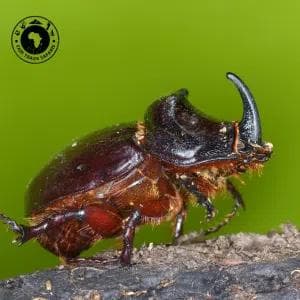
- Rhino Beetle
Known for their horn-like protrusions, rhino beetles are one of the strongest animals relative to their size. They play a vital role in decomposing organic matter and enriching the soil.
Where to Spot: Found in woodland and savannah areas across Africa, especially during the rainy season.
Fun Fact: Rhino beetles can lift objects up to 850 times their body weight—that’s like a human lifting a jet plane!
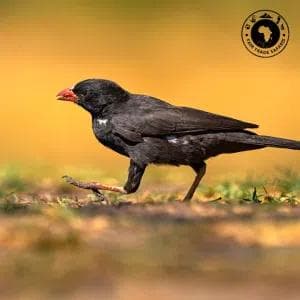
- Buffalo Weaver
These industrious birds are often seen in noisy flocks, building large communal nests from twigs. Their nests are architectural masterpieces, providing homes for generations of weavers.
Where to Spot: Look for their giant nests high in trees across Southern and East Africa.
Fun Fact: Buffalo weavers are cooperative breeders, meaning several birds help raise the chicks in a single nest.
Pro Tip: Walking safaris in regions like South Luangwa National Park (Zambia) or the Okavango Delta (Botswana) offer the best opportunities to spot these fascinating small creatures. Guides can show you how to track antlion traps or point out buffalo weaver nests high in the trees.
Why Explore the Little Five?
The Little Five teach us to slow down and observe the world through a smaller lens. Each of these creatures plays an essential role in their ecosystem, from pest control (antlions) to enriching the soil (rhino beetles). By seeking out these tiny marvels, you’ll develop a greater appreciation for Africa’s complex and interconnected wildlife.
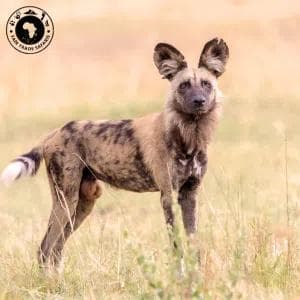
4. The Wily African Wild Dog: Nature’s Team Player
Known for their cooperative hunting techniques and striking coat patterns, African wild dogs are among the continent’s most captivating predators. They live in close-knit packs and use coordinated strategies to hunt prey, making every sighting an exciting experience.
Where to Go: Visit Botswana’s Okavango Delta or Zimbabwe’s Hwange National Park for a chance to see these endangered animals in action.
Fun Fact: No two African wild dogs have the same coat pattern, making each individual uniquely identifiable.
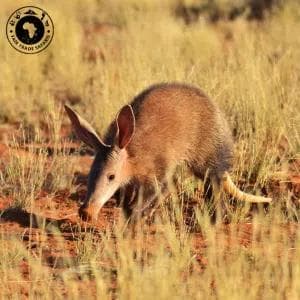
5. The Curious Aardvark: Master of the Night
Aardvarks are nocturnal diggers with a love for termites and ants. These shy creatures may not draw attention like elephants or leopards, but their ecological contributions are invaluable—they aerate the soil and control insect populations.
Best Time to Spot: Book a night safari in Namibia’s Etosha National Park or Tanzania’s Serengeti, where these nocturnal animals thrive.
Fun Fact: Despite their name, aardvarks are more closely related to elephants than to anteaters.
Local Guides and Artisans: Across Africa, we collaborated with talented individuals who enriched our safaris with authenticity, expertise, and cultural depth.
Africa’s wildlife is as diverse as it is enchanting, offering far more than the iconic Big Five. By seeking out these hidden gems, you’ll deepen your safari experience and gain a greater appreciation for the continent’s rich biodiversity.
Are you ready to discover Africa’s hidden wonders? Let us craft a safari itinerary that introduces you to these rare and magical creatures. Explore our destinations to find the perfect adventure and start planning your journey today!
find out more about Fair Trade Safaris
Ready to share your thoughts?
We love hearing from mindful travelers. Leave a comment below.