Witness Nature in Motion
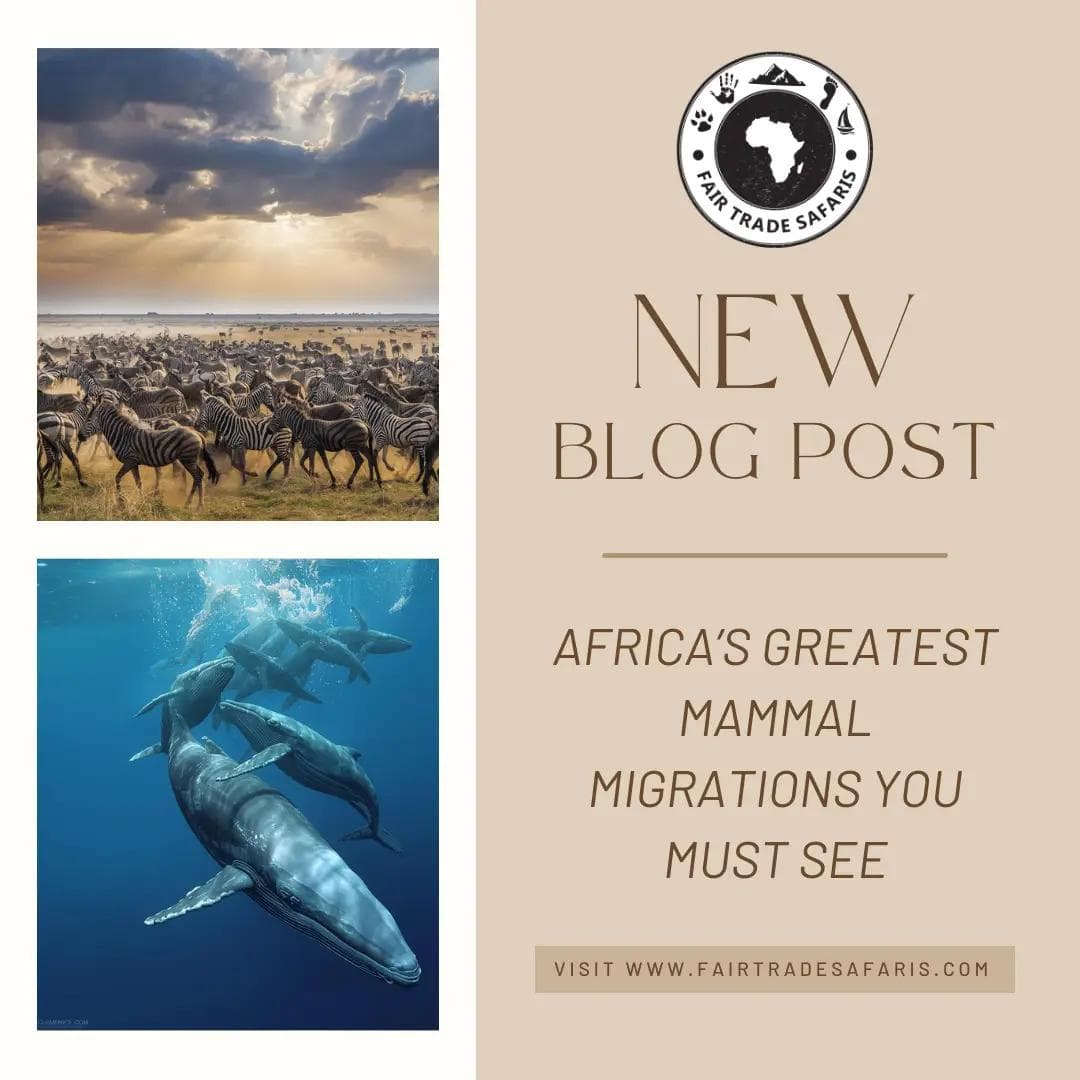
Africa’s Greatest Mammal Migrations You Must See
From the Great Wildebeest Migration to Zambia’s bat exodus, discover seven of Africa’s most extraordinary mammal migrations and when to witness them responsibly.
The Mystery of Migration
Throughout the year, often for reasons imperceptible to our human senses, animals respond to ancient cues that signal it is time to move. Sometimes these journeys involve small populations and short distances. At other times, the numbers climb into the millions and the distances span continents and oceans.
While localized events like fires can trigger movement, most large-scale migrations are annual rituals tied to rainfall, breeding cycles, and the search for fresh grazing. From the scent of rain carried on the wind to the promise of greener pastures beyond the horizon, migration is survival in motion.
A Universal Imperative
Migration is not unique to Africa, nor even to mammals. Plankton rise daily through ocean depths, insects cross continents over generations, birds move between hemispheres, and fish traverse entire oceans. Africa, however, offers some of the most visible and accessible mammal migrations on Earth—events that unfold in real time before our eyes.
A Benefit to All
Beyond survival, migrations deliver powerful ecological benefits. They distribute seeds, fertilize soils, regulate prey populations, and sustain predators. These ancient pathways reveal the interconnectedness of life itself—and remind us how deeply human wellbeing is tied to healthy ecosystems.
Sadly, history also shows how fragile migrations can be. In Botswana during the 1950s, veterinary fencing disrupted traditional zebra and wildebeest routes, resulting in mass die-offs and long-term ecological damage. Today, conservation-led tourism plays a critical role in protecting what remains.
Seven Iconic African Mammal Migrations
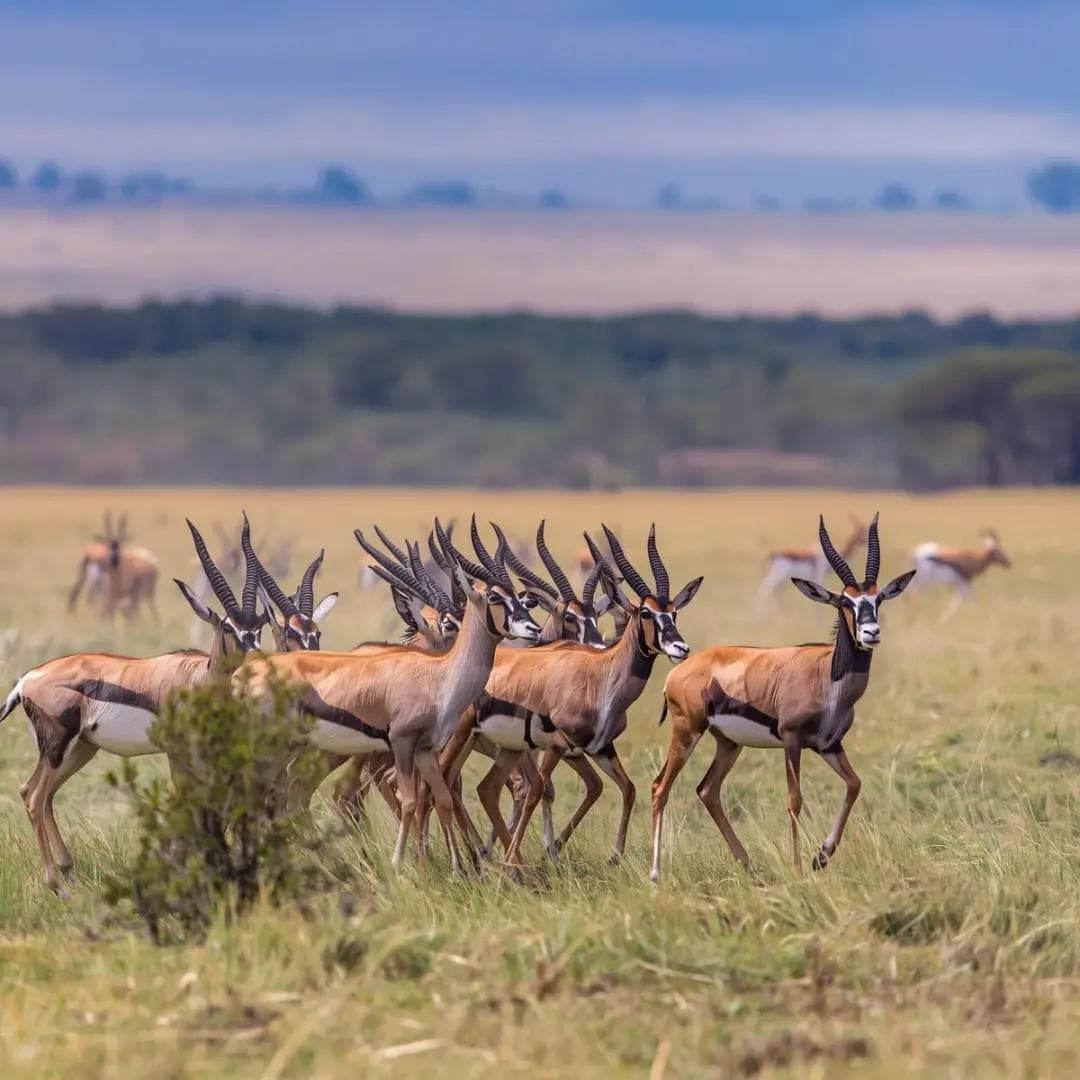
1. The Springbok Migration (South Africa – Historic)
South Africa’s national animal once moved in herds so vast that dust clouds reportedly halted wagon trains. Last witnessed in 1896, this migration—possibly numbering tens of millions—was lost to hunting, fencing, and agriculture.
Today, initiatives like the Mountain Zebra–Camdeboo Corridor Project are exploring whether fragments of this once-great movement might one day be restored.
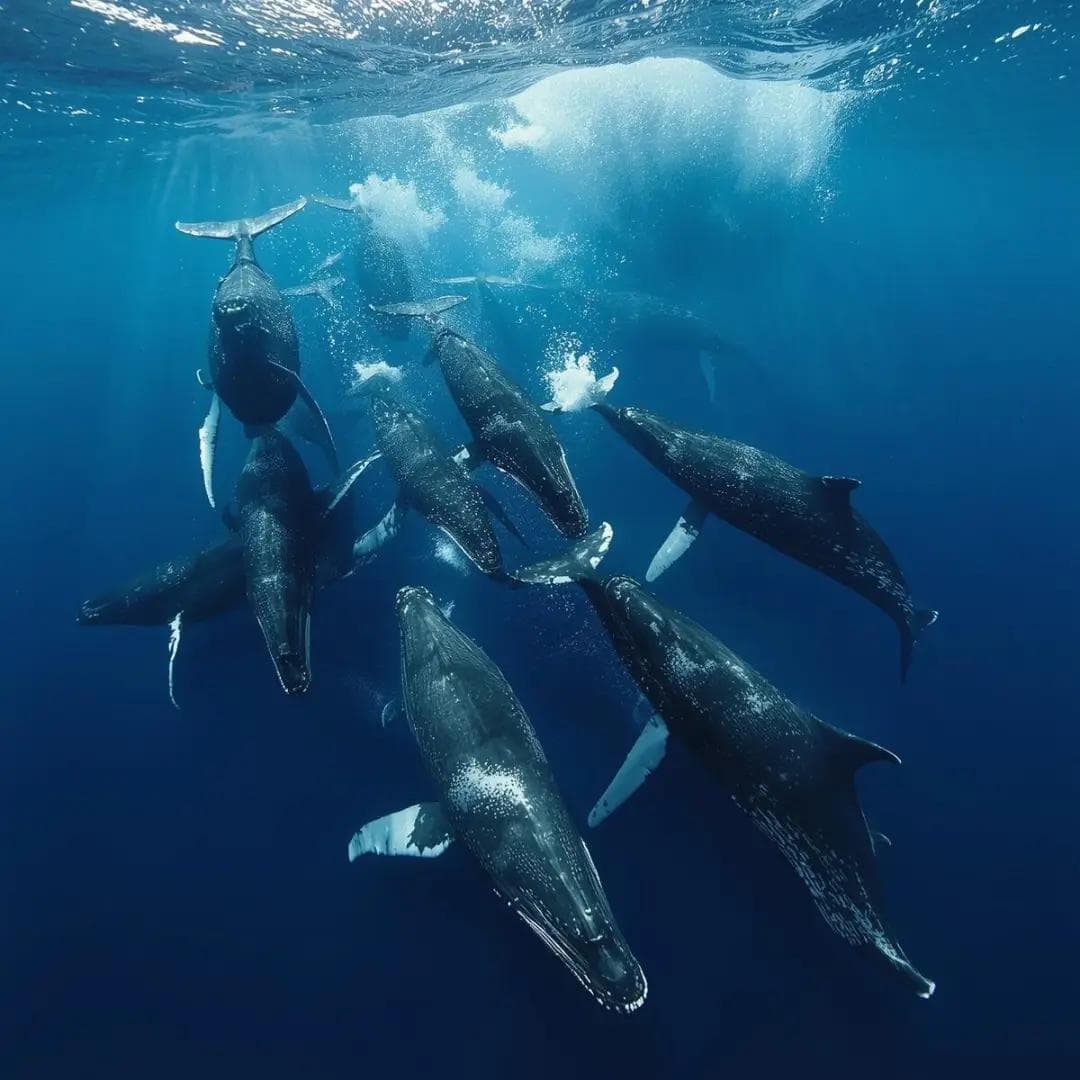
2. The Longest Mammal Migration on Earth – Humpback Whales
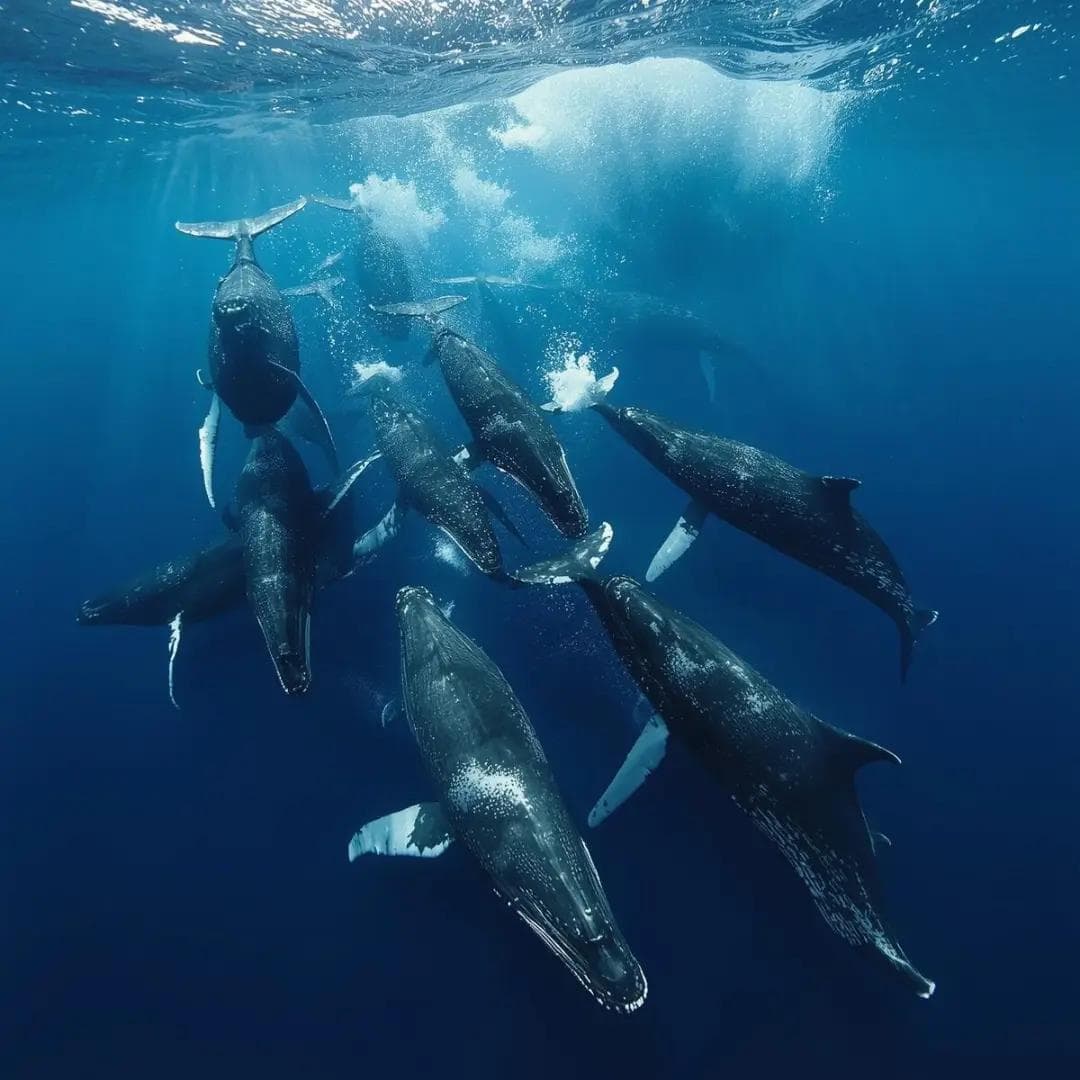
Each year, over 15,000 humpback whales journey from Antarctica to the warm waters of Mozambique and Tanzania—a round trip exceeding 10,000 miles. From June to November, they pass close to South Africa’s coastline, offering unforgettable whale-watching opportunities.
This migration is a rare conservation success story, though climate change now poses new uncertainties.
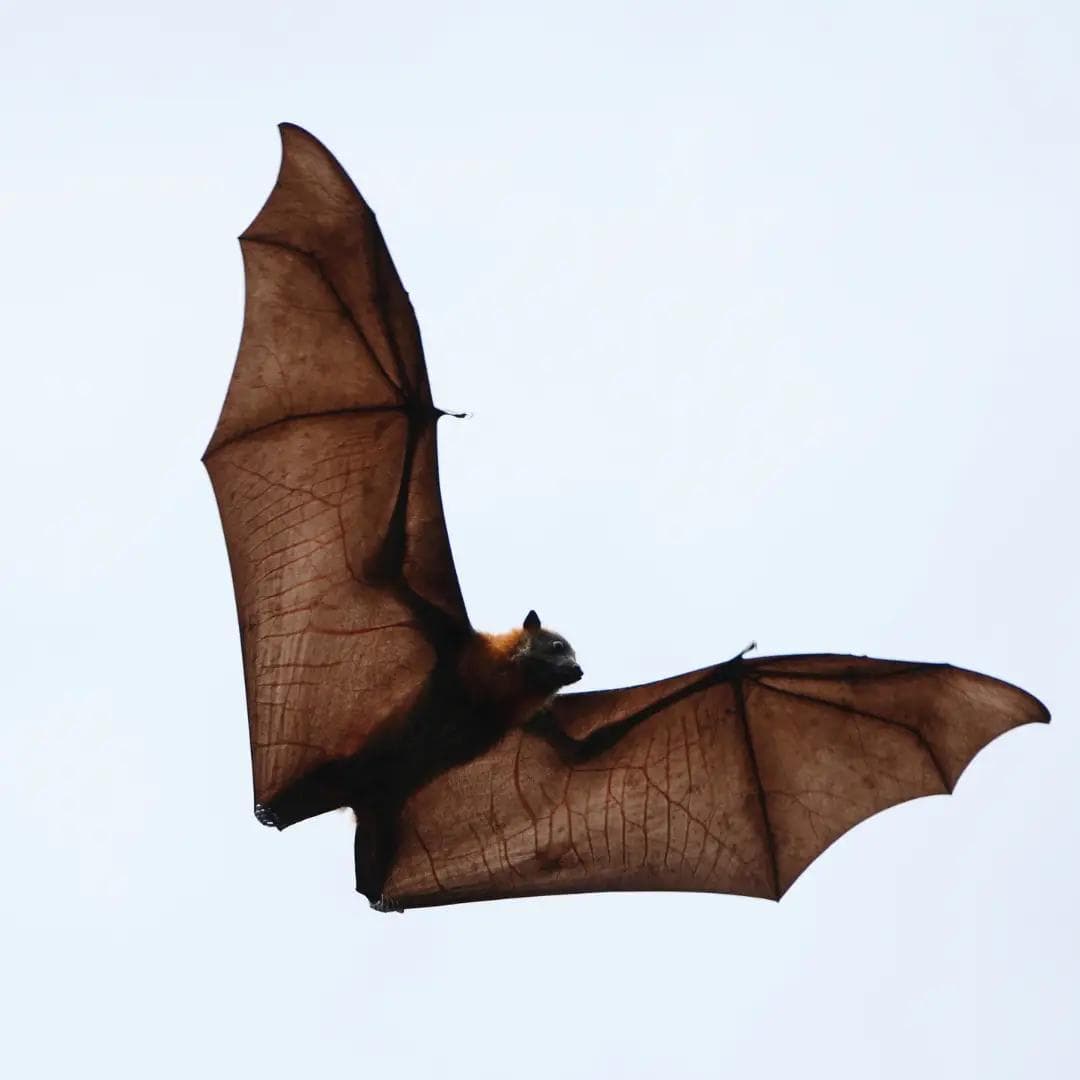
3. The Largest Mammal Migration on Earth – Kasanka Fruit Bats (Zambia)
Between October and December, up to 12 million straw-colored fruit bats converge on Kasanka National Park. This extraordinary event supports pollination, seed dispersal, and nutrient cycling—while delivering one of Africa’s most surreal wildlife spectacles.
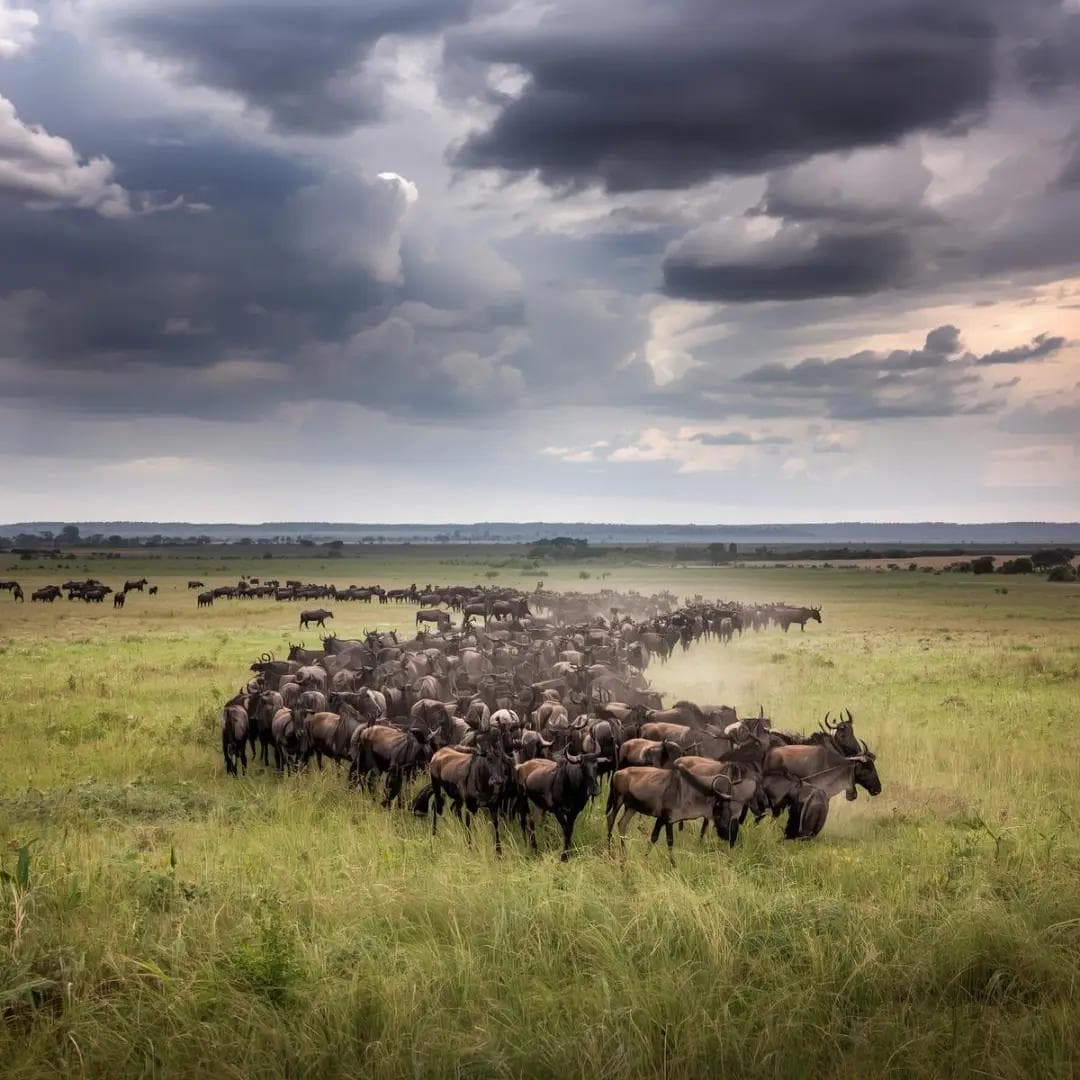
4. The Migration We Almost Lost – Liuwa Plains (Zambia)
Once in decline, Liuwa Plains has been revived through a visionary public–private partnership. Each November, over 30,000 wildebeest and thousands of zebra move across these grasslands as floodwaters rise—restoring predator-prey balance and ecological health.
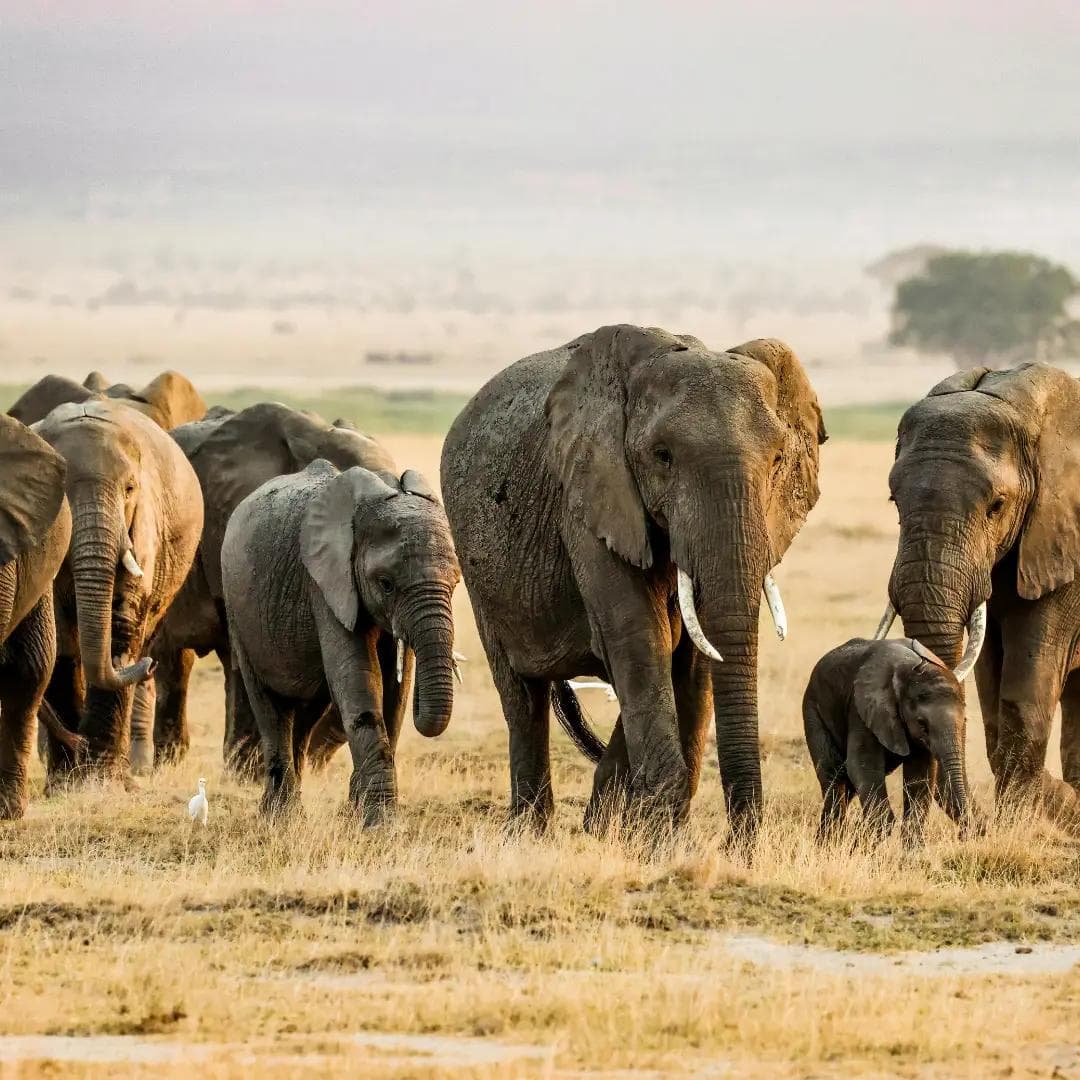
5. The Elephant Migration of Northern Botswana
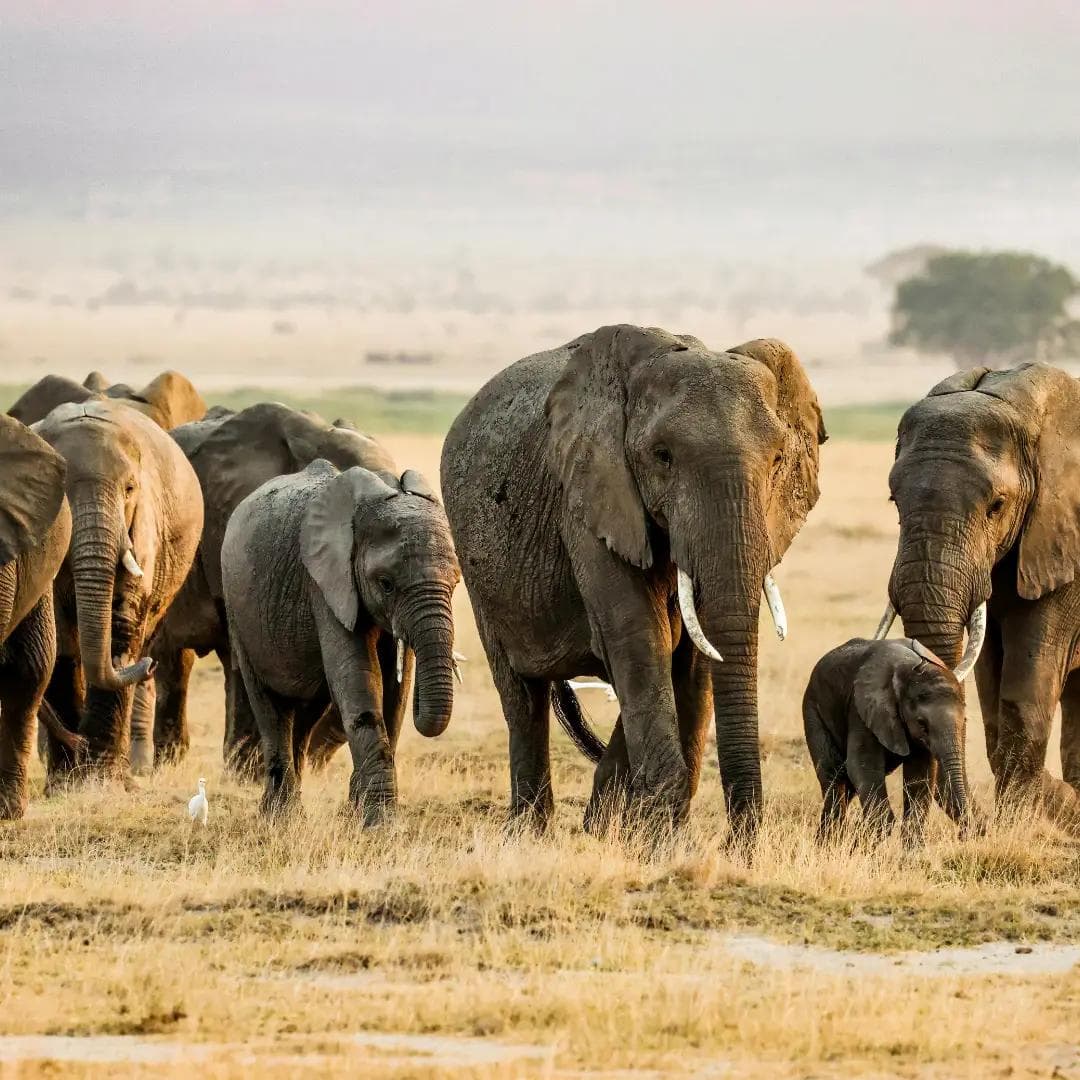
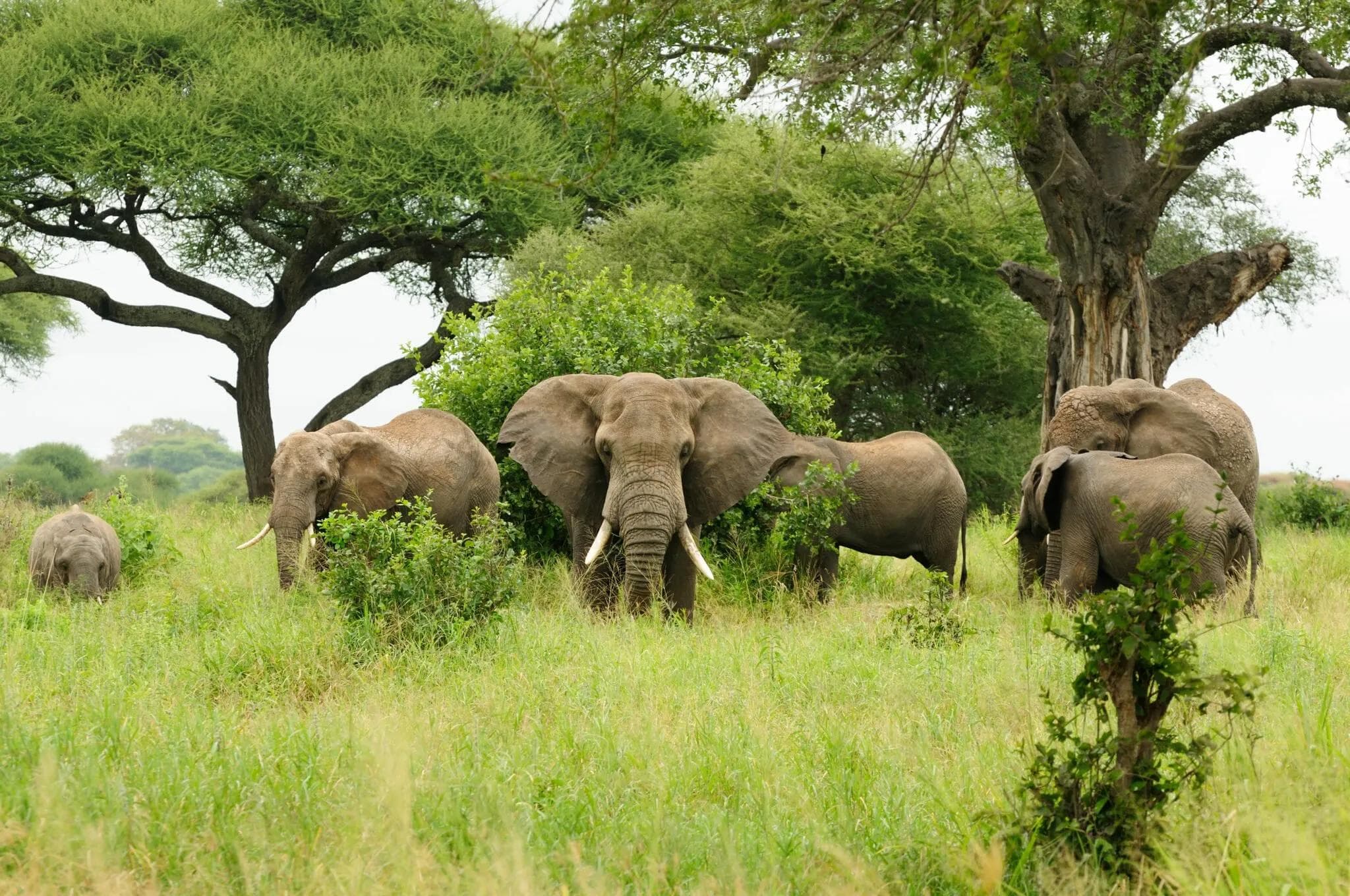
Home to the world’s largest elephant population, Botswana still preserves fragments of ancient elephant routes. During the dry season (June–October), herds move between Chobe National Park, Linyanti, Savute, and neighboring countries via the Kavango-Zambezi Transfrontier Conservation Area.
As ecosystem engineers, elephants reshape landscapes, enrich soils, and open grasslands for countless other species.
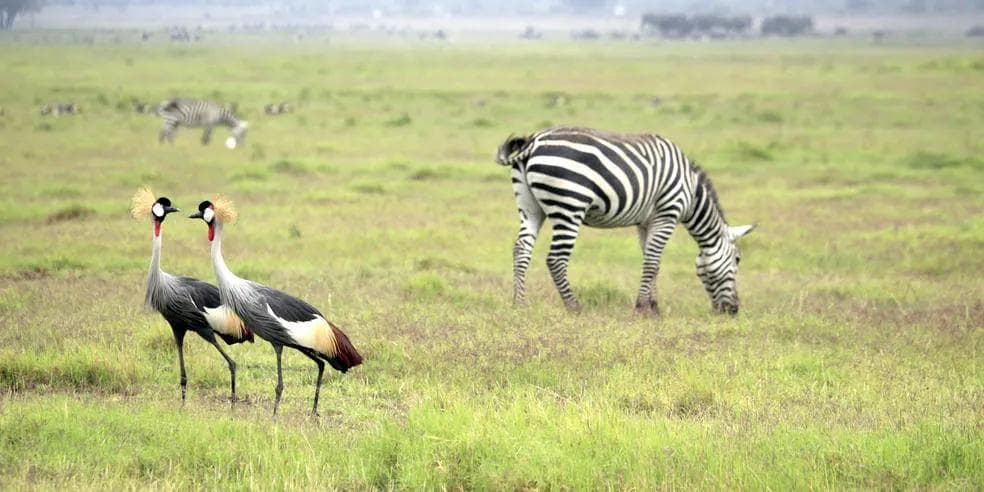
6. The Great Zebra Migrations of Botswana
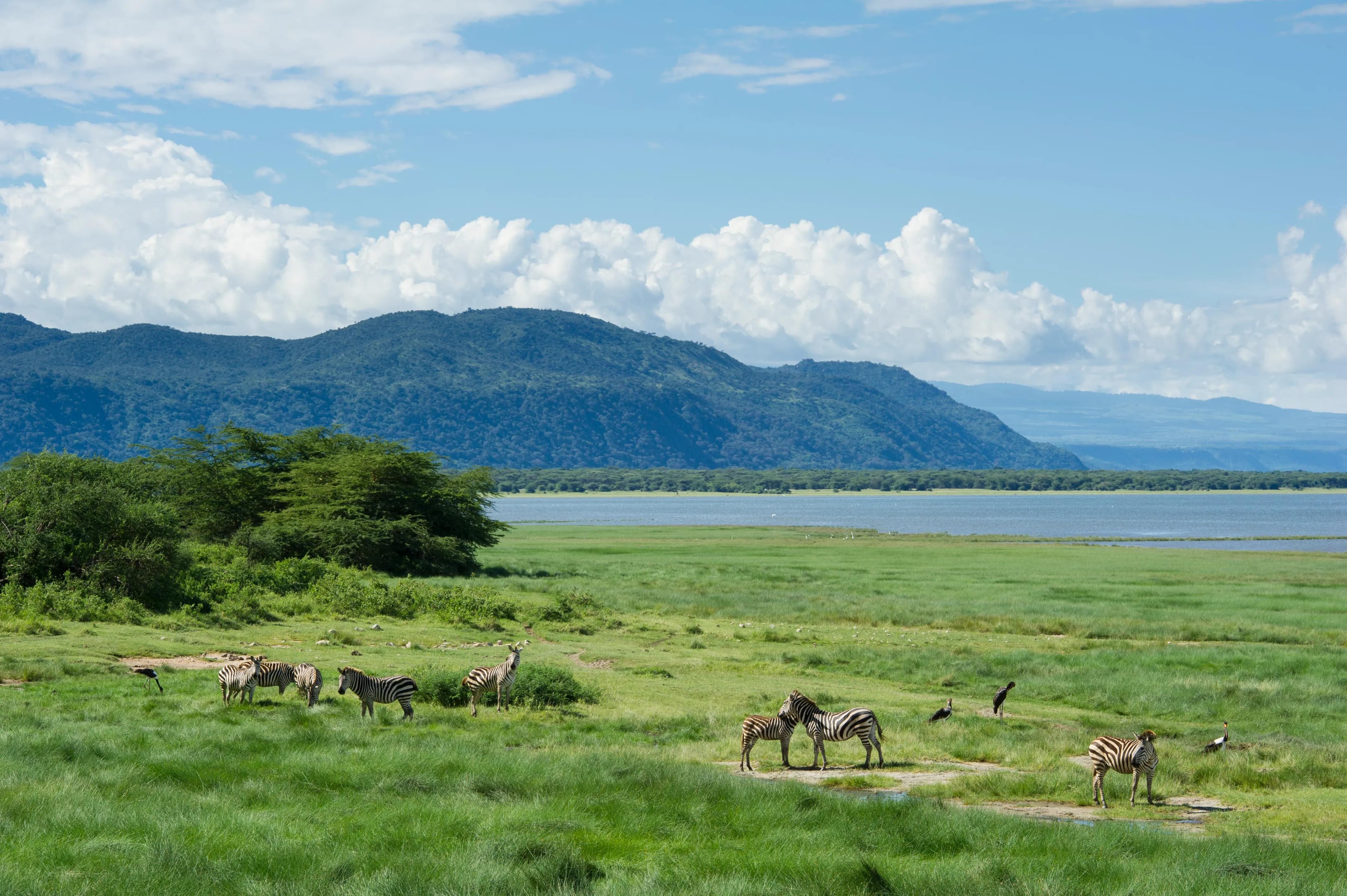
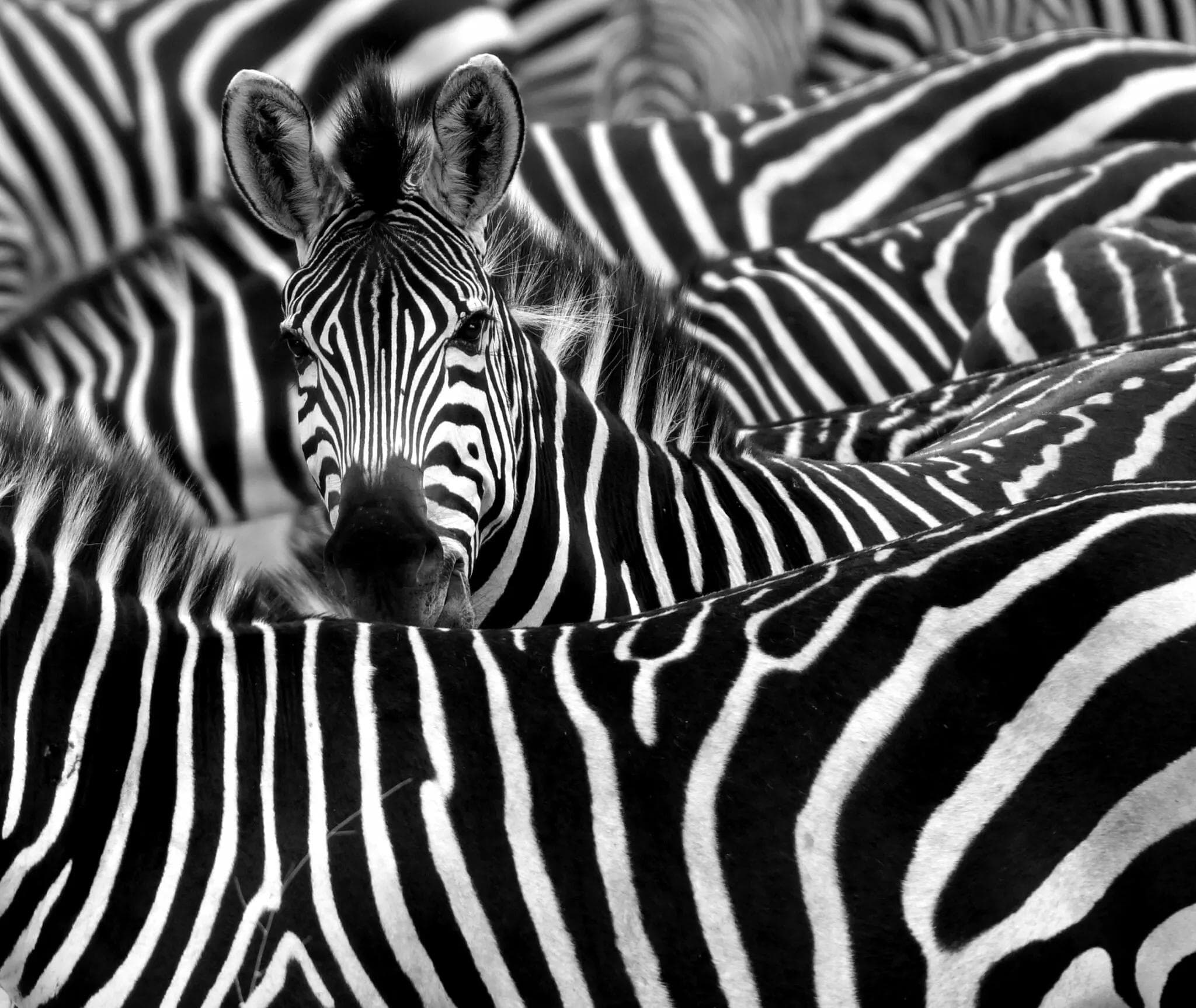
Often overshadowed by wildebeest, Botswana’s zebra undertake two major migrations:
- Nxai Pan: December–May
- Makgadikgadi Pans: June–October
These movements rank among Africa’s longest land migrations and are best experienced on expertly timed safaris.
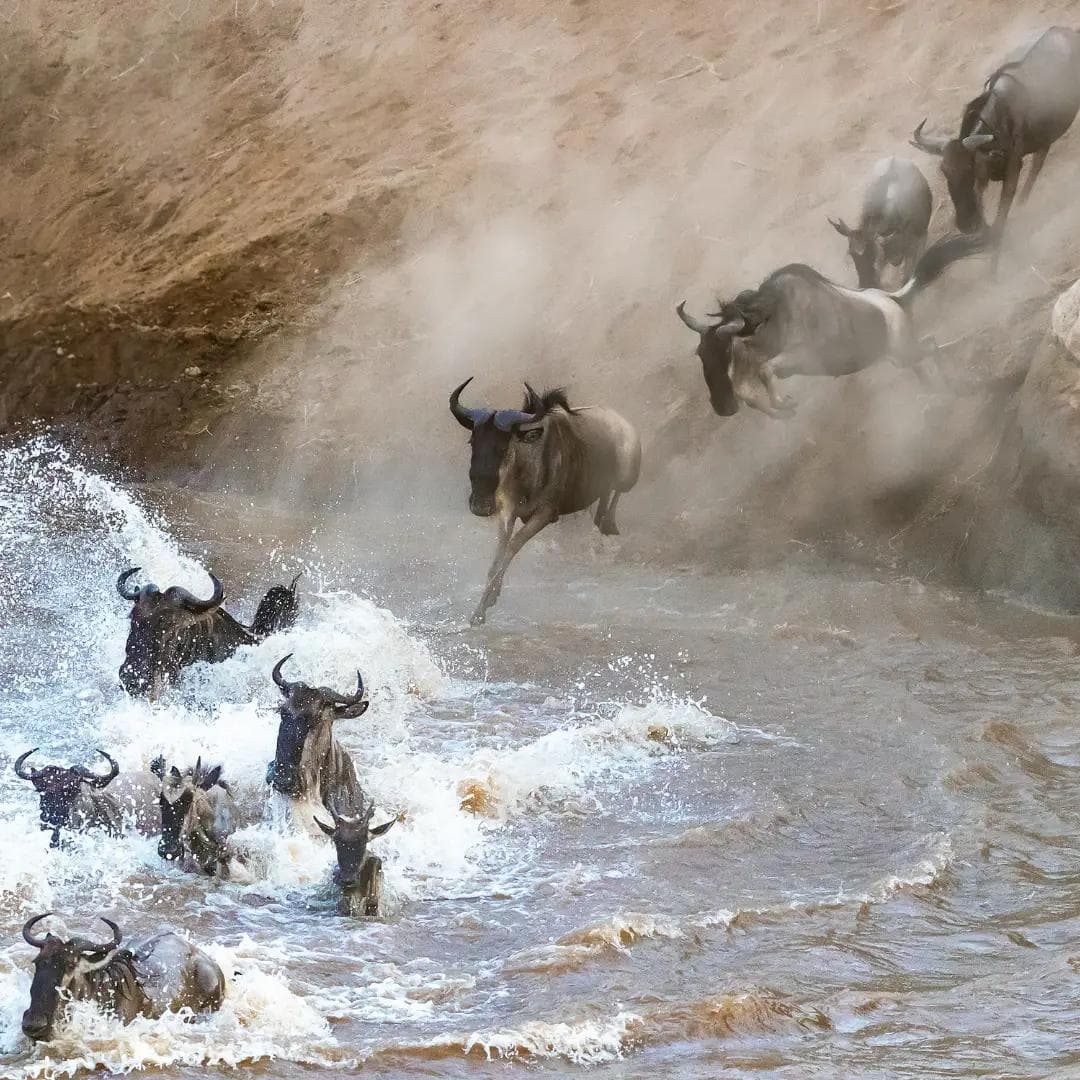
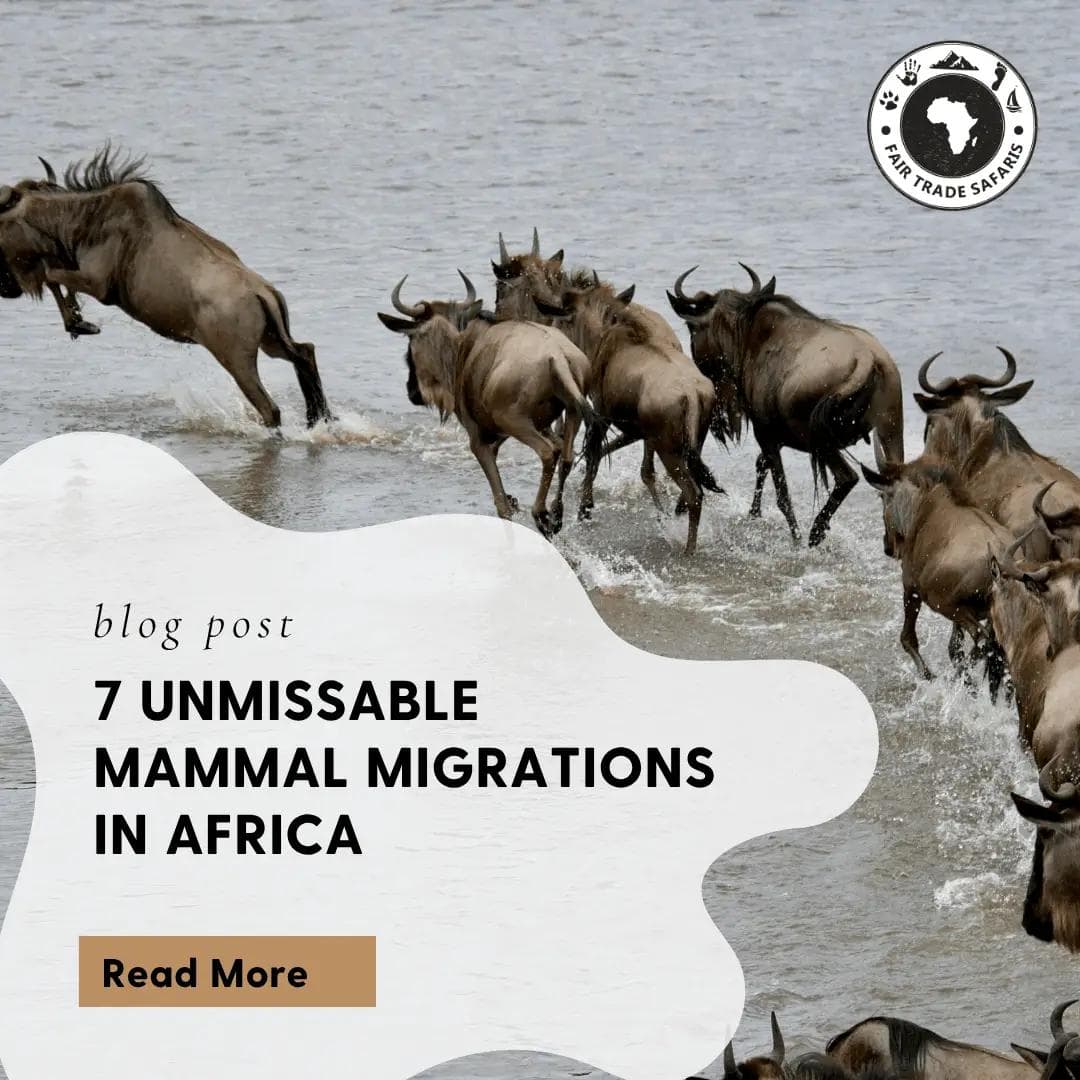
7. The Greatest Show on Earth – The Great Wildebeest Migration
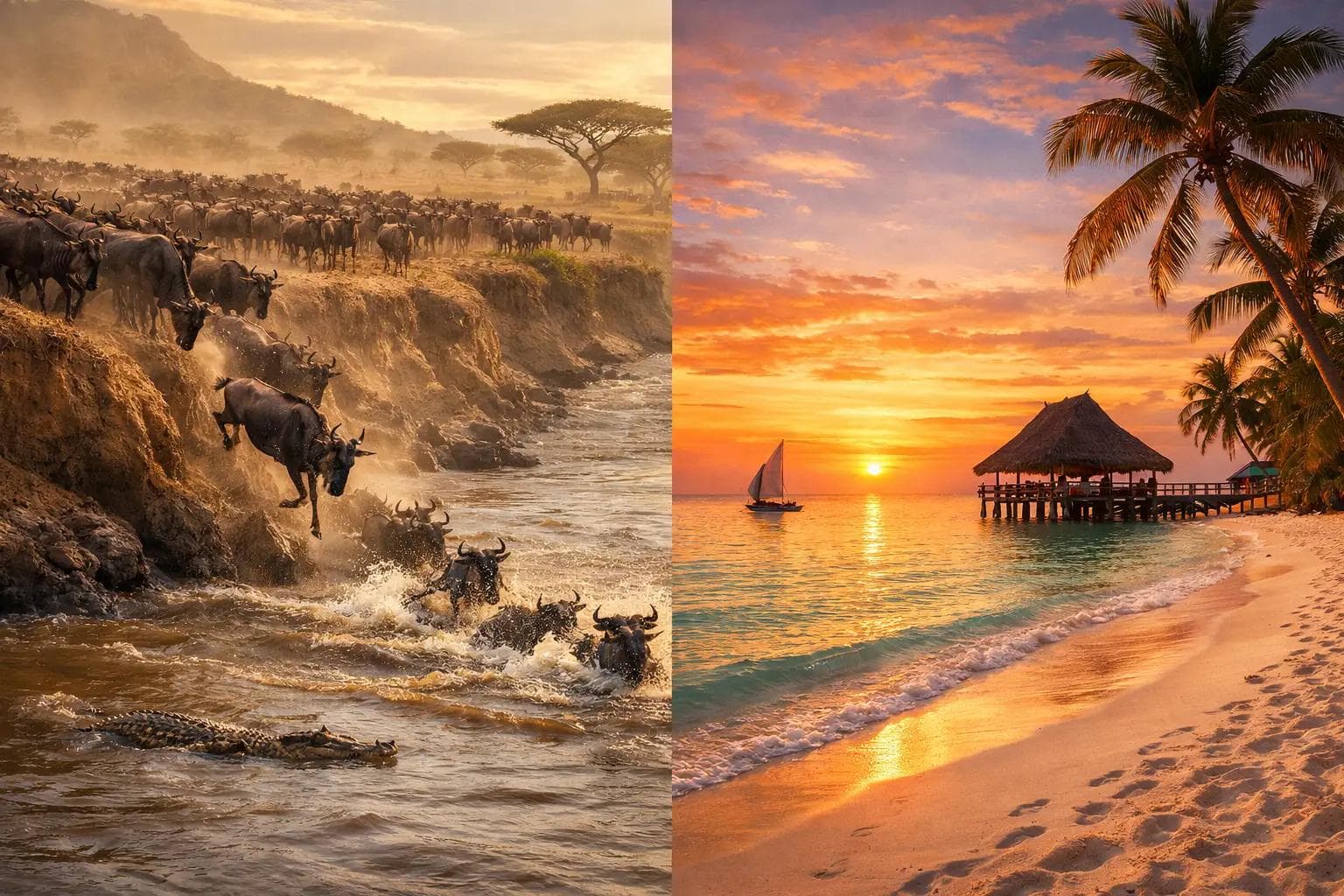
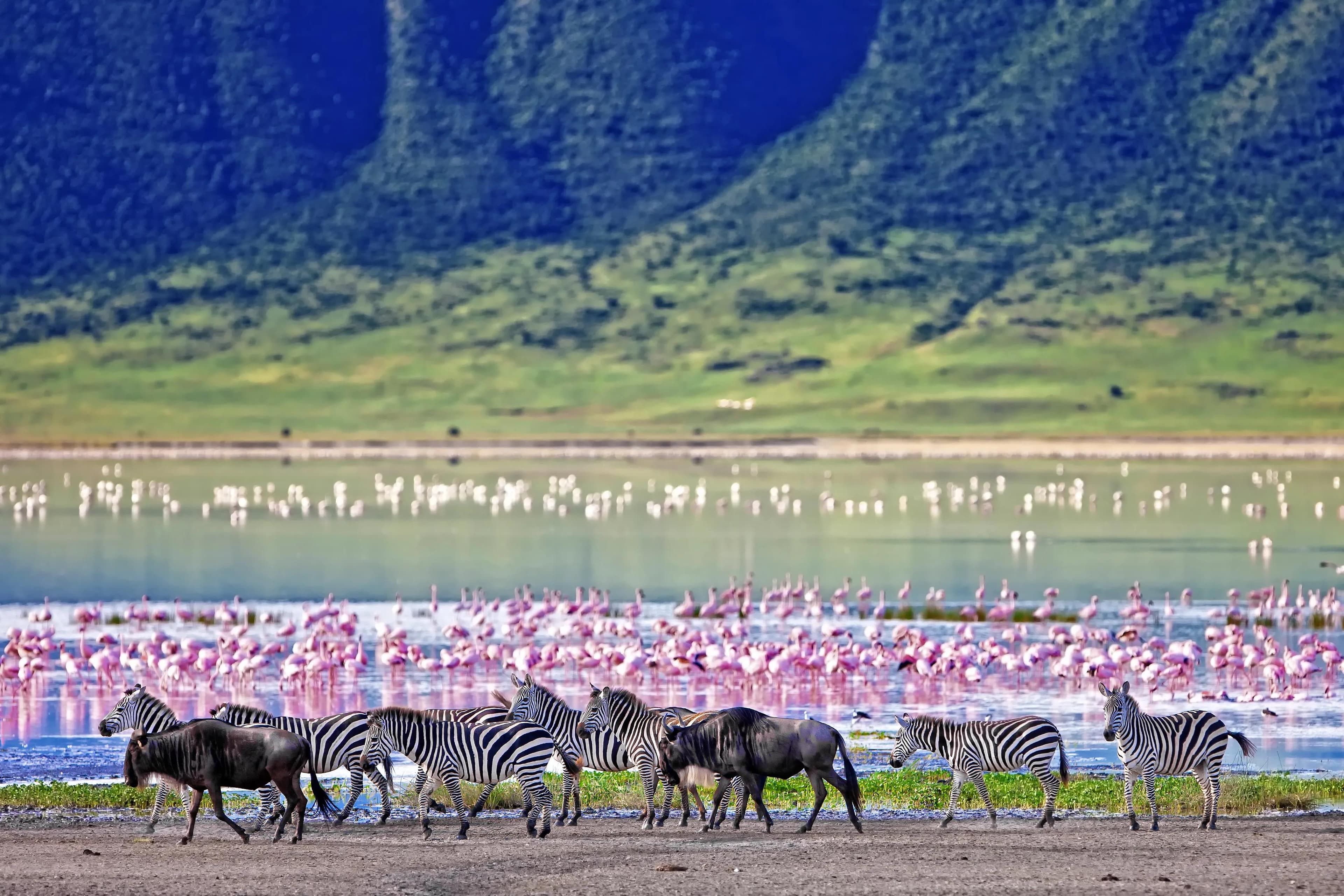
The legendary migration between the Serengeti National Park and Masai Mara involves up to 1.5 million wildebeest, accompanied by zebra and antelope.
From calving season in the southern Serengeti (January–March) to dramatic river crossings at the Grumeti and Mara (July–October), this migration defines the African safari experience.
Why Witnessing a Migration Belongs on Your Bucket List
Watching a migration reconnects us to something deeply primal. It is awe-inspiring, humbling, and profoundly moving. For photographers, families, conservation-minded travelers, and seasoned explorers alike, migrations offer nature at its most raw and abundant.
How to Plan a Migration Safari
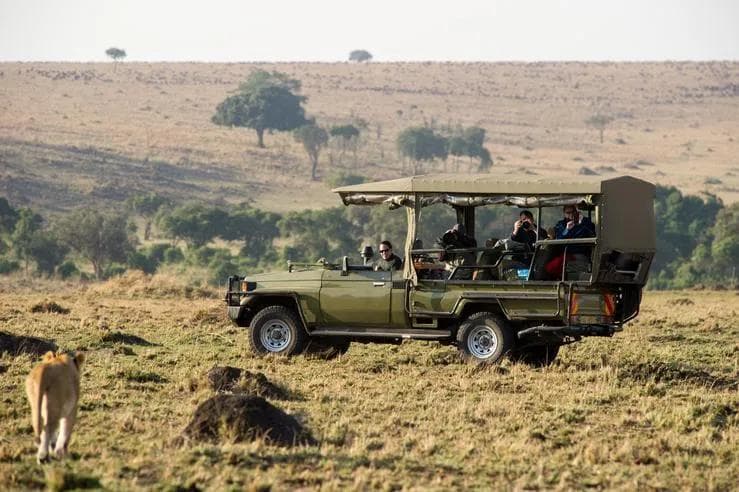
Migration safaris require careful planning and flexibility. Timing varies year to year, and expert guidance is essential. Highlights include:
- Serengeti–Masai Mara: July–October
- Liuwa Plains: November
- Botswana elephants & zebra: June–November
- Kasanka bats: Late October–early December
- Humpback whales: Late June–November
Booking with a specialist operator like Fair Trade Safaris ensures ethical travel, insider knowledge, and conservation-positive experiences.
Final Thoughts
Africa’s mammal migrations are living reminders of the planet’s ancient rhythms. To witness one is to experience nature at its most powerful—and to play a small part in protecting these journeys for generations to come.
Ready to join the herd?
Choose your destinationReady to share your thoughts?
We love hearing from mindful travelers. Leave a comment below.