Color. Flight. Wilderness.
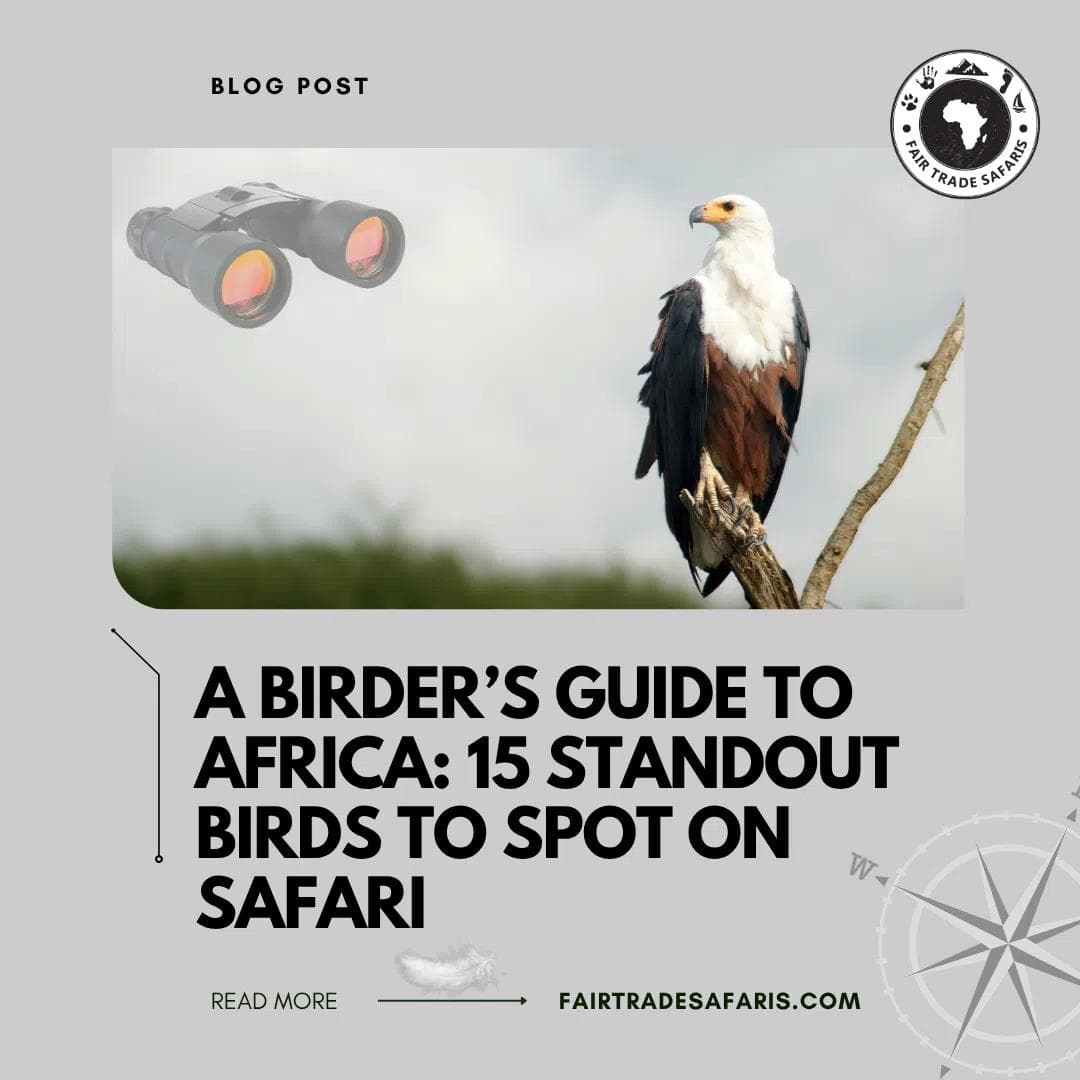
A Birder’s Guide to Africa: 15 Standout Birds to Spot on Safari
Think safaris are only about lions and elephants? Africa’s vibrant birdlife—from colorful bee-eaters to the bizarre shoebill—adds unexpected magic and surprise to every safari adventure.
A Birder’s Guide to Africa: 15 Standout Birds to Spot on Safari
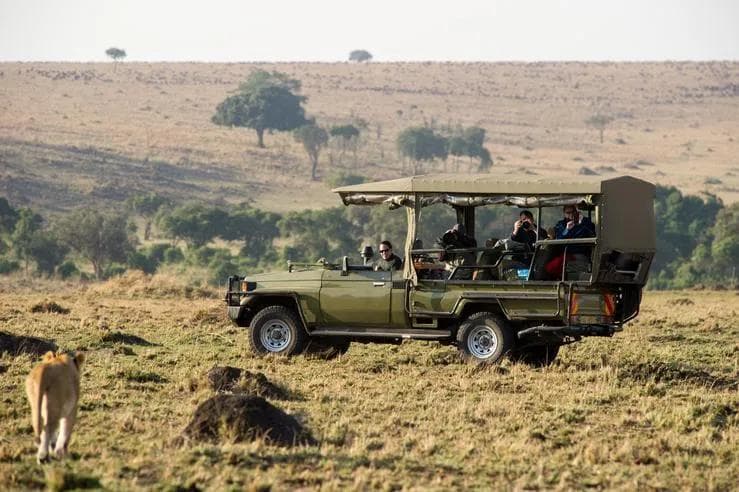
Africa isn’t just about lions and leopards—its skies, trees, rivers, and grasslands are alive with extraordinary birds that will thrill even the most seasoned birdwatcher. From giant ostriches to elusive swamp-dwellers like the shoebill, this guide is written with love (and binoculars) by someone who’s spent hours in safari vehicles craning for a glimpse of wing and feather.
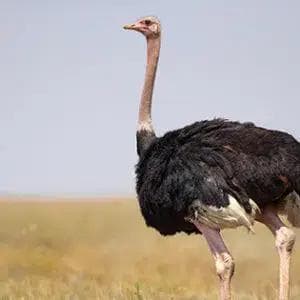
1. Ostrich – The Sprinting Giant
Size: Up to 9 ft tall, 320 lb
Why it’s special: The world's Largest bird, the ostrich is a feathered speed machine capable of outrunning predators at 45 mph. Though flightless, it dominates open grasslands with its imposing size and prehistoric vibe.
Where to see it: Roaming the Serengeti-Mara plains or near Oudtshoorn, South Africa, where ostrich farming is part of the culture.
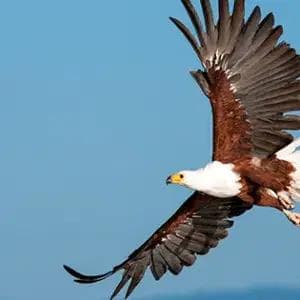
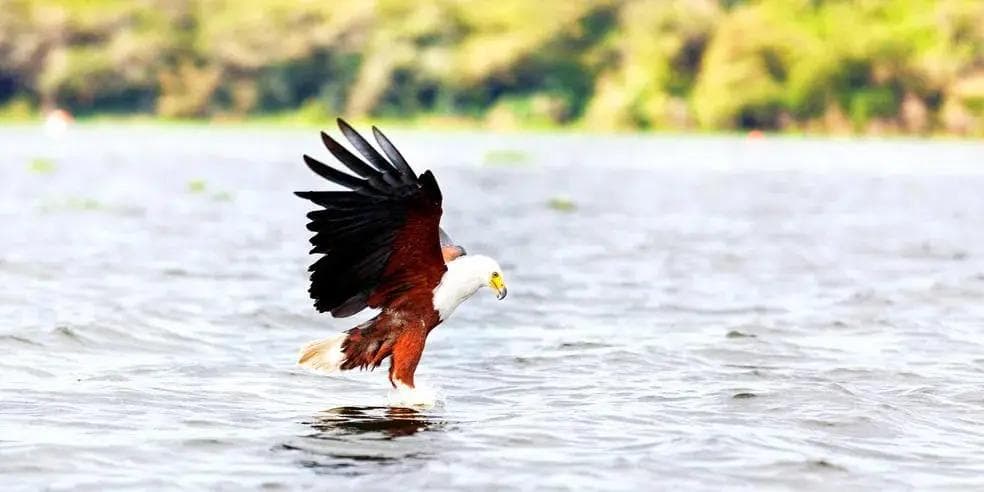
2. African Fish Eagle – The Voice of Africa
Size: Wingspan up to 7.9 ft
Why it’s special: This striking raptor with its chocolate, white, and black plumage is often spotted perched over lakes, belting out a call that defines the African wilderness.
Where to see it: Lake Naivasha (Kenya), Lake Malawi, or anywhere with a reliable water source.
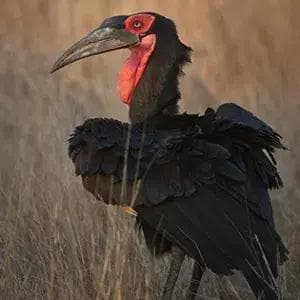
3. Southern Ground Hornbill – The Red-Faced Marcher
Size: About 3.3 ft tall, 8.8 lb
Why it’s special: These charismatic bush comedians strut in groups with their booming bass calls echoing through the savanna. Watch for their striking red facial skin and dramatic white wing flashes in flight.
Where to see it: Kruger National Park (South Africa), the Serengeti, and other big reserves.
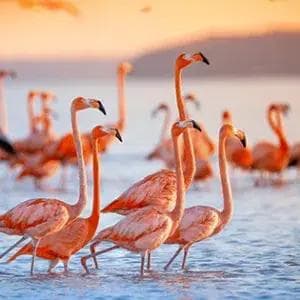
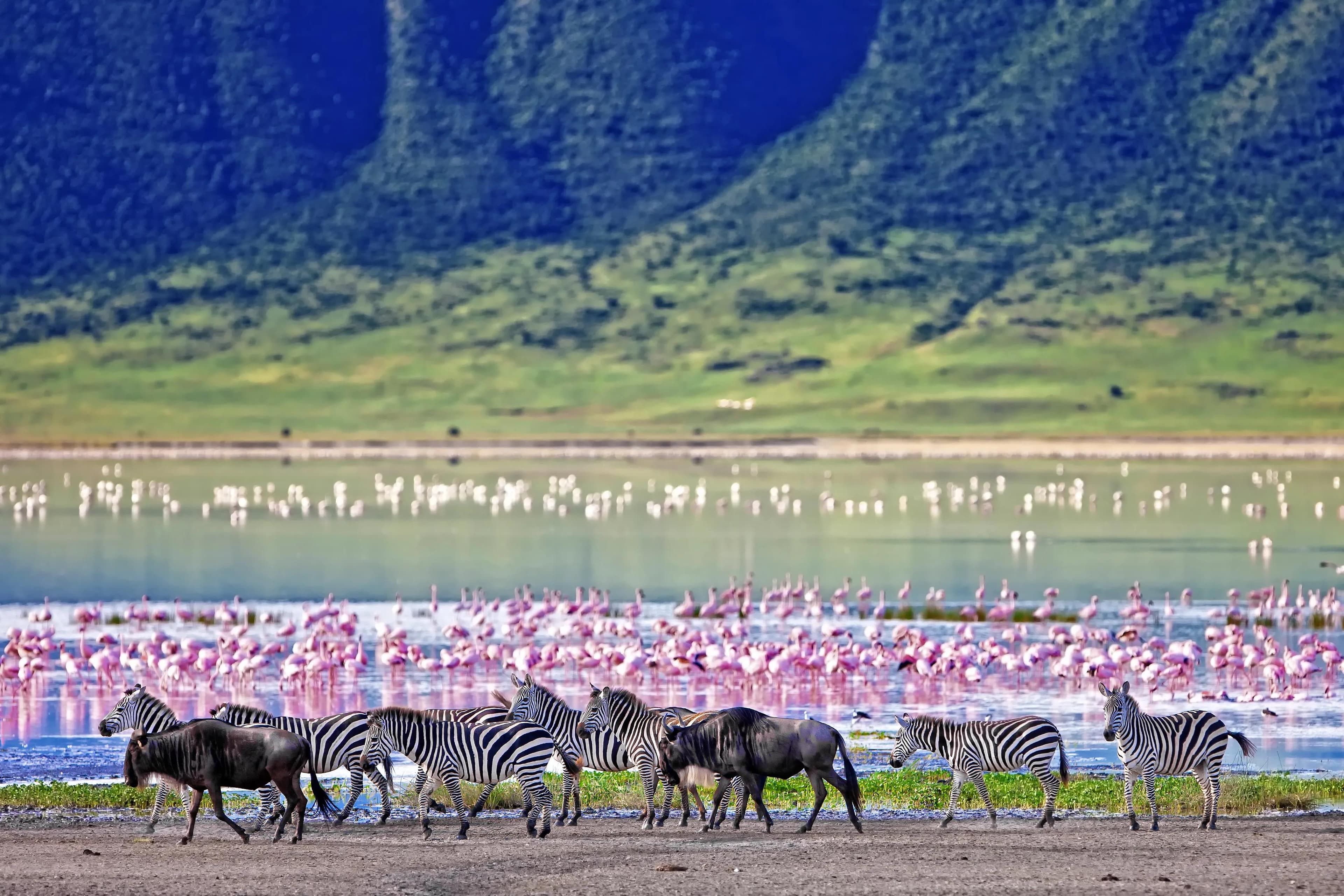
4. Flamingo – The Pink Parade
Size: Up to 5 ft tall
Why it’s special: Mass flamingo flocks look like moving paintings. Their pink hue comes from a diet rich in carotenoids—a fantastic example of food influencing beauty.
Where to see it: Rift Valley lakes such as Bogoria, Nakuru, and Natron—expect thousands at once.
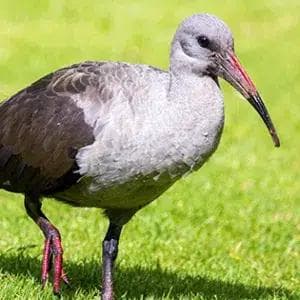
5. Hadeda Ibis – The Dawn Alarm
Size: Up to 2.5 ft long
Why it’s special: The hadeda may not win beauty contests, but its call is unforgettable. You’ll likely hear it before you see it.
Where to see it: Suburbs, parks, and gardens across Southern Africa. Think of it as your noisy, feathered neighbor.
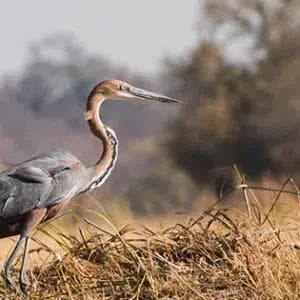
6. Goliath Heron – The Fisher King
Size: Over 6 ft tall
Why it’s special: Towering above other herons, it moves with a patient grace. Watching one spear a fish with sniper precision is a wildlife highlight.
Where to see it: Nyerere (Tanzania), Murchison Falls (Uganda), and Liwonde (Malawi) are hot spots.
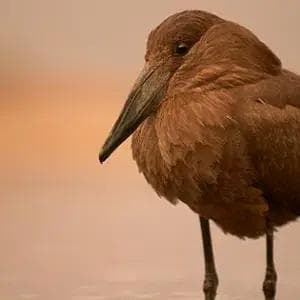
7. Hamerkop – The Oddball Engineer
Size: Around 1.8 ft long
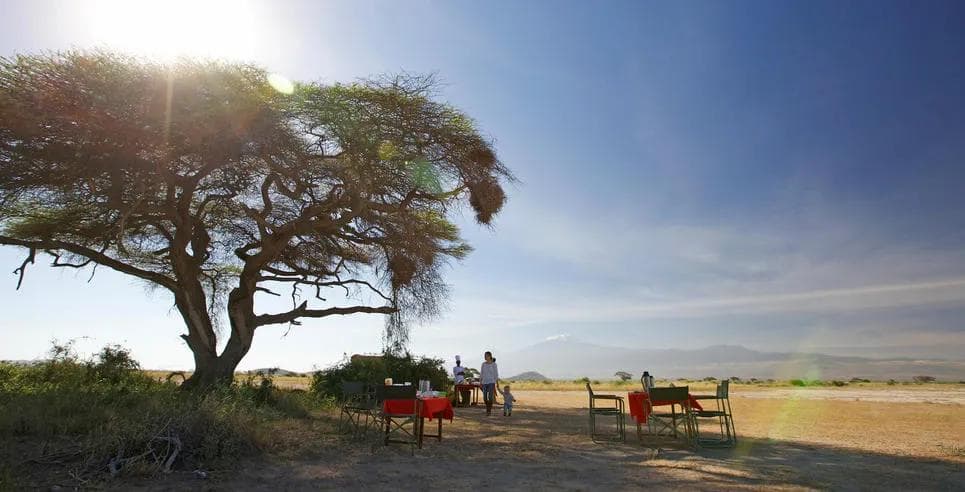
Why it’s special: Its hammer-shaped head gives it away. This quirky bird builds absurdly large nests—sometimes just for the fun of it.
Where to see it: Near rivers and wetlands with tall trees perfect for their nest-building antics.
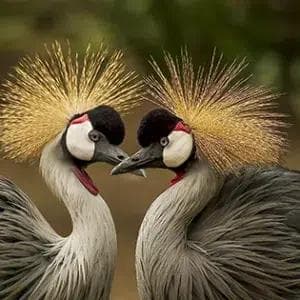
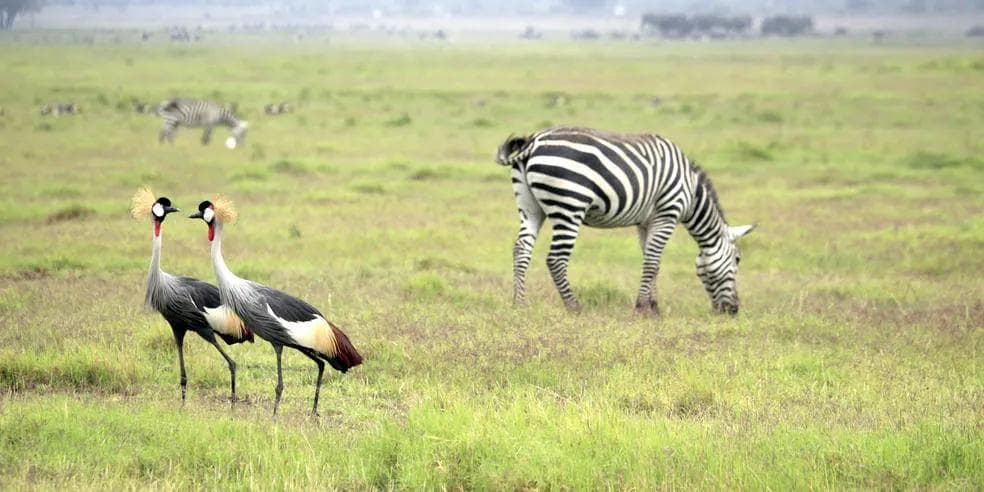
8. Grey Crowned Crane – The Royal Dancer
Size: 3.3 ft tall, wingspan up to 6.5 ft
Why it’s special: Uganda’s national bird lives up to its reputation with golden plumage crowns and elegant courtship dances.
Where to see it: Uganda’s wetlands, Ngorongoro Crater, and Zambia’s floodplains.
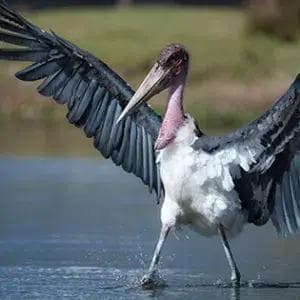
9. Marabou Stork – The Undertaker
Size: Up to 5 ft tall, wingspan 10.5 ft
Why it’s special: Hideous yet captivating, this scavenger does nature’s dirty work. Bald head, massive bill, and goth vibes make it unforgettable.
Where to see it: At kills alongside vultures or loitering in Kampala’s urban jungle.
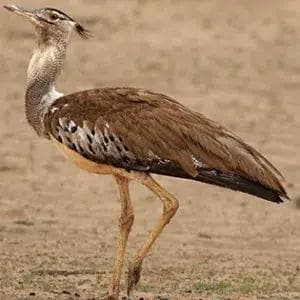
10. Kori Bustard – The Heaviest High-Flyer
Size: Up to 40 lb
Why it’s special: Ground-dwelling but able to take off when needed, this is the world’s heaviest flying bird. Watch for its inflated neck display during breeding season.
Where to see it: Open grasslands of the Serengeti-Mara—often blending in like a boulder.
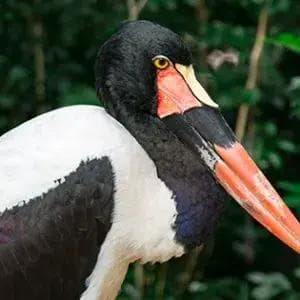
11. Saddle-Billed Stork – The Painted Beak Paladin
Size: Up to 5 ft tall, 8 ft wingspan
Why it’s special: With its vivid yellow-and-red bill, this stork is a walking work of art. Bonus points if you can ID the male (black eyes) from the female (yellow eyes).
Where to see it: Rare but findable near wetlands and rivers in major parks.
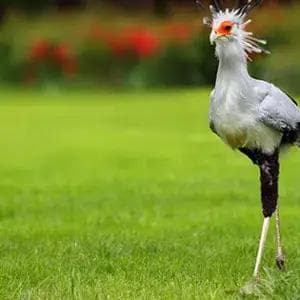
12. Secretary Bird – The Snake Stomper
Size: Over 4 ft tall, wingspan 6.5 ft
Why it’s special: Looks like a raptor in drag—long legs, head feathers, and a strut to match. Famous for killing snakes by stomping them flat.
Where to see it: Serengeti-Mara and other open grasslands. Watch for the runway-length take-off.
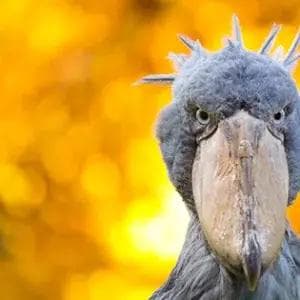
13. Shoebill – The Dinosaur Throwback
Size: Around 4.5 ft tall, wingspan up to 8.5 ft
Why it’s special: With a bill like a clog and a stare that could freeze lava, the shoebill is bizarre and revered. Often seen standing eerily still for hours.
Where to see it: Uganda’s Mabamba Swamp or Zambia’s Bangweulu wetlands.
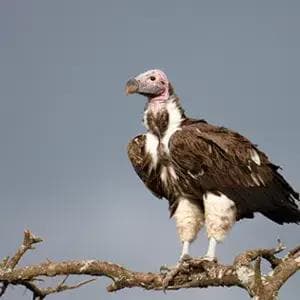
14. Lappet-Faced Vulture – The Heavyweight Scavenger
Size: Up to 3.3 ft tall, 9 ft wingspan
Why it’s special: Africa’s largest vulture with serious face-wattles. Plays a key cleanup role by tearing through thick hide others can’t manage.
Where to see it: Near fresh kills in major game parks. Bring your long lens.
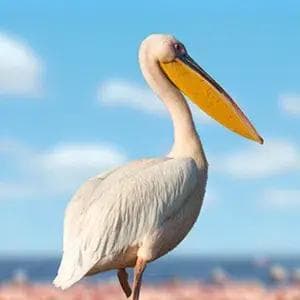
15. Great White Pelican – The Buoyant Behemoth
Size: Up to 30 lb, wingspan up to 11.5 ft
Why it’s special: Massive, graceful, and team-oriented, these pelicans herd fish like pros. Their synchronized swimming is oddly mesmerizing.
Where to see it: Lake Nakuru (Kenya), Lake Albert (Uganda), and iSimangaliso Wetland Park (South Africa).
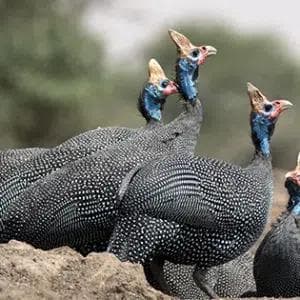
Bonus Birds: Helmeted & Vulturine Guineafowl – The Safari Alarm
Why they’re special: Loud, bold, and always in groups, guineafowl are safari staples. The vulturine version is especially striking with cobalt blue plumage and a raptor-like gait.
Where to see them: Helmeted guineafowl are everywhere. Vulturines? Try northern Kenya.
Final Tip from the Bush: Keep your binos ready and your ears open—birds often reveal themselves by sound before sight. Whether you’re a beginner birder or a hardcore twitcher, these birds are bucket-list-worthy companions to any African adventure.
Content Credit:
Portions of this blog were adapted from earlier work by acclaimed travel writer Philip Briggs. We thank him for his original insights, which helped shape the refreshed version of this article.
Find out more about these destinations
Ready to share your thoughts?
We love hearing from mindful travelers. Leave a comment below.
Comments
Alex
I love birds .. Cant wait to see them
7/11/2025