Zambia
Southern Africa

Travel Information
When to visit
Zambia’s safari destinations are all very seasonal, and best visited during the dry winter months of May to October. Victoria Falls can be visited throughout the year, but it is most impressive over April to September.
Visas and paperwork
US citizens require a visa. Provided their passport is valid for at least another six months, this can be obtained upon arrival at any international airport or overland border.
Did You Know?
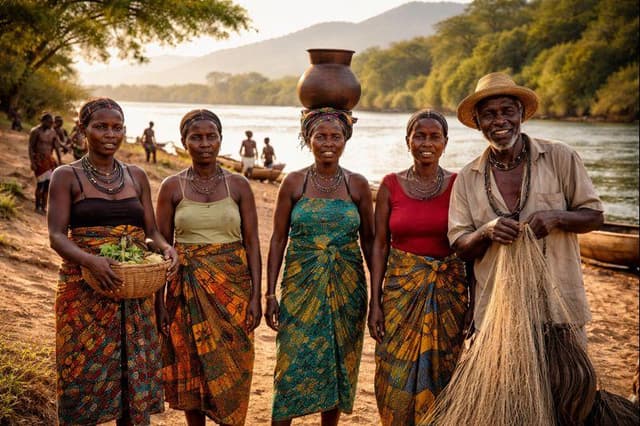
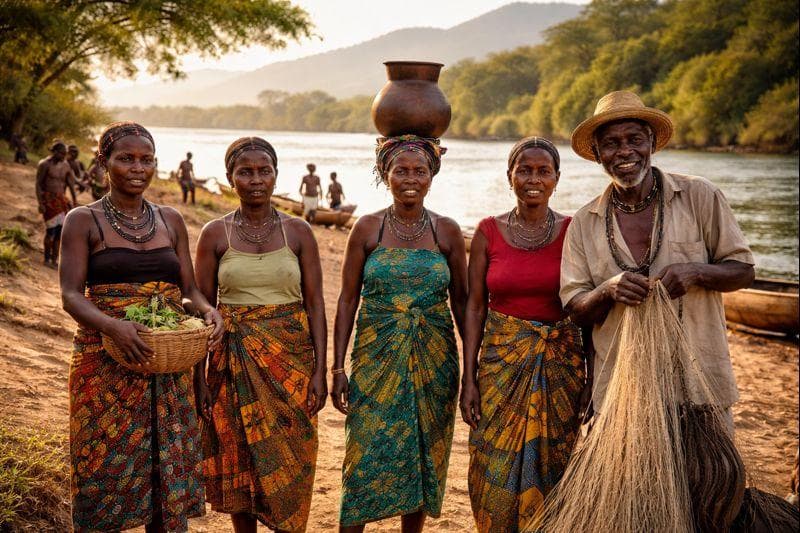
The Lower Zambezi region is home to the Goba people — pastoralists and river dwellers whose roots trace back centuries. In the 1840s, they were displaced from their original homeland by the advancing Matabele, a more militant group, prompting a migration that led them to settle along the Zambezi River. Today, the Goba continue to thrive as stewards of the land and river, maintaining a deep spiritual and cultural connection to the region. To witness their traditions, crafts, and community life firsthand, visit Chiawa Cultural Village — a vibrant riverside settlement located in a game management area just west of Lower Zambezi National Park. Here, visitors are welcomed with warmth and pride, invited to engage with local customs, music, farming practices, and storytelling — offering an authentic cultural experience that complements the natural beauty of the park.
Highlights
Zambia’s busiest tourist hub, the mile-wide Victoria Falls is also a springboard for thrilling adventure activities such as bungee jumping, white-water rafting, kayaking and canoeing.
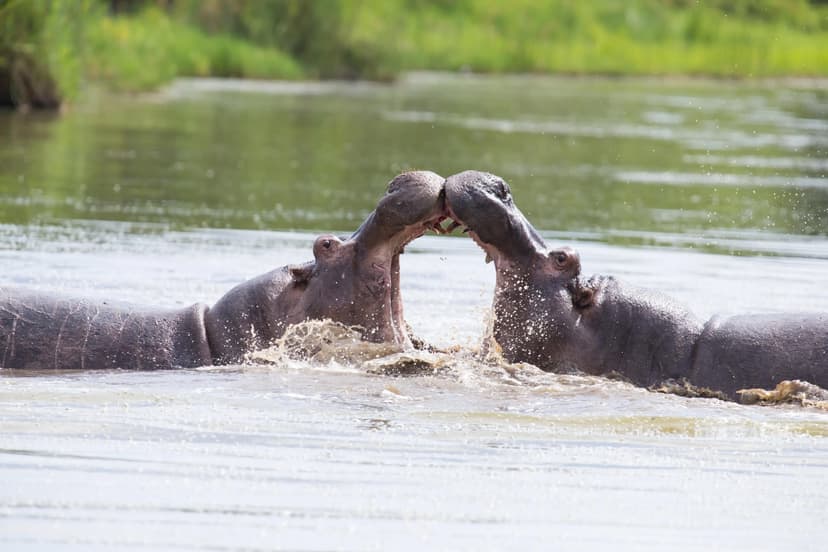
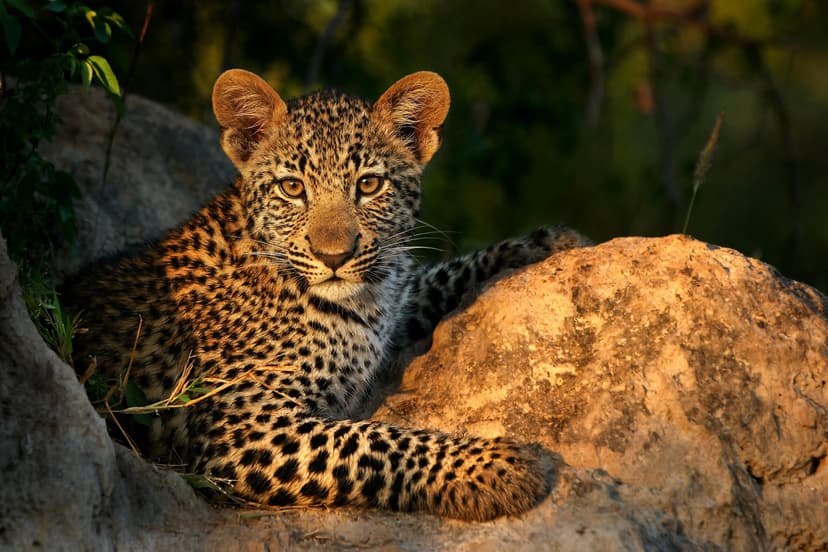
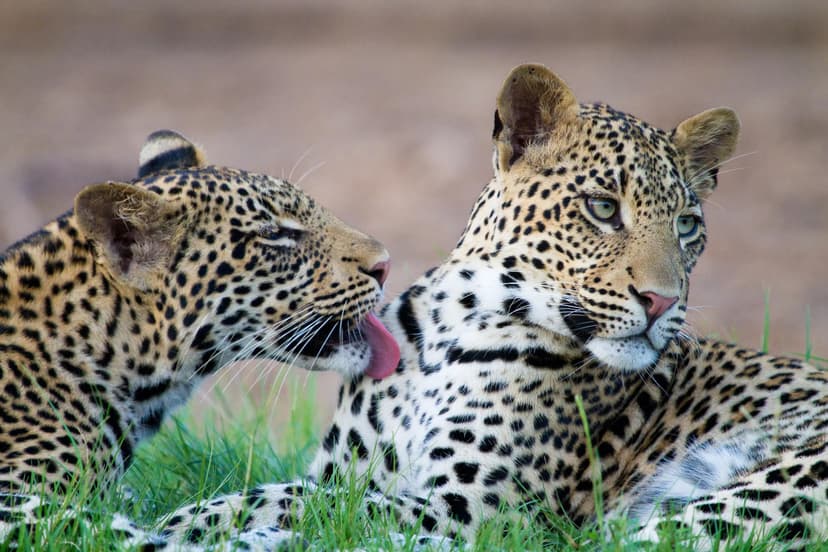
One of Africa’s most alluring and wildest safari destinations, South Luangwa supports impressive concentrations of lion, elephant, buffalo and hippo, and truly excels when it comes to leopard sightings and walking safaris.
The 8,600-square-mile Kafue National Park is the third largest in Africa, and its checklist of 158 mammal species exceeds that of any rival. It’s centerpiece is the vast Busanga Floodplain, which offers great dry-season game viewing.
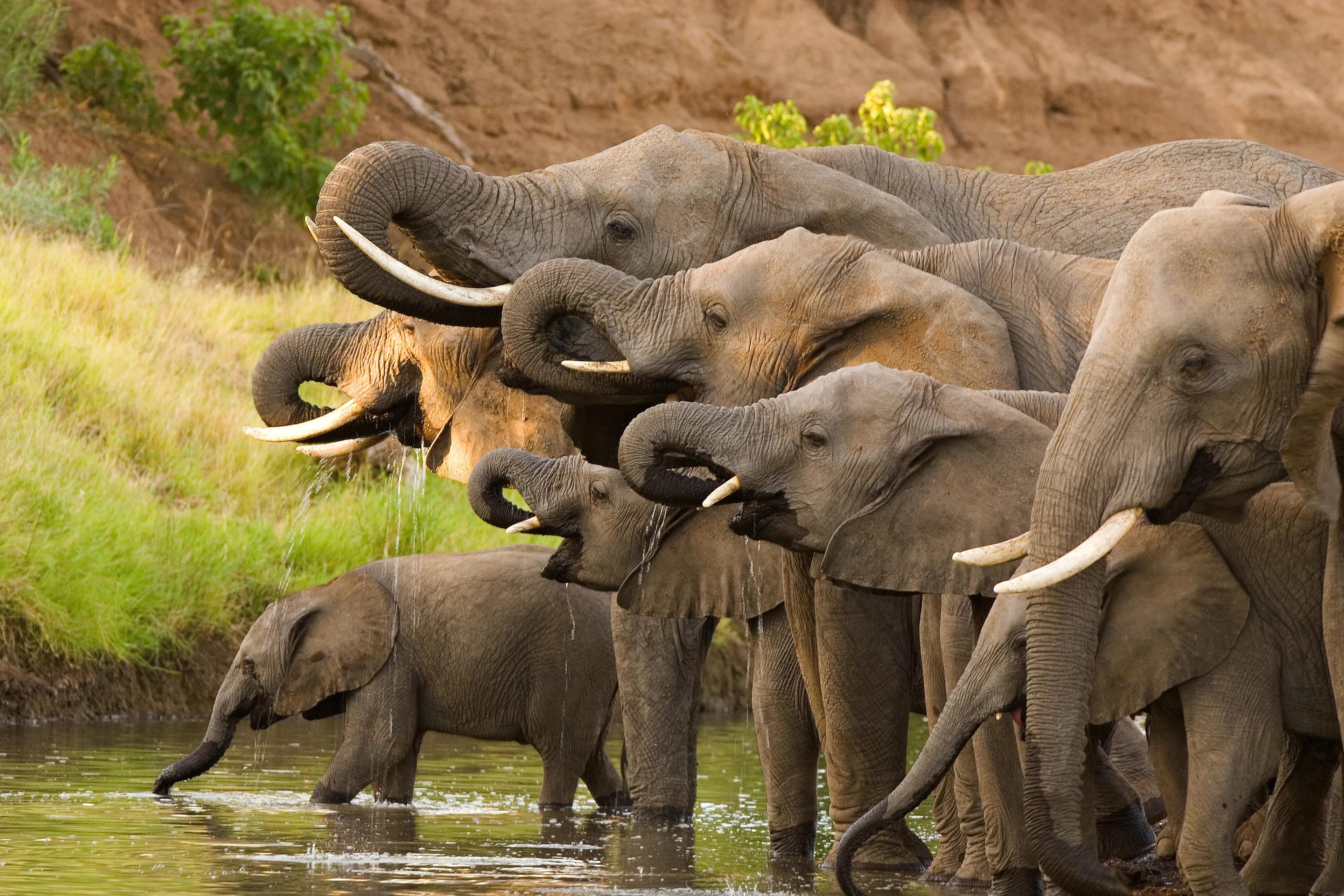
Lower Zambezi National Park is a rewarding all-round safari destination, but its main attraction is undoubtedly the opportunity to spend several days canoeing along the lush tropical river for which is named.
Best known for the spectacular Victoria Falls, Zambia is also recognized by the cognoscenti as offering some of Africa’s finest wildlife viewing. True, it isn’t as well suited to first-timers or families as Kenya or Tanzania, and it lacks the DIY-amenities that make South Africa and Namibia so popular with self-drivers. But when it comes to offering a raw and immersive bush experience, complete with the opportunity to walk and canoe through the wilds accompanied by vastly knowledgeable guides, Zambia is surely Africa’s most hardcore safari destination.
Photo Highlights
Practical Information
Practical Stuff
Getting there
Most visitors fly into Kenneth Kaunda International Airport, 15 miles northeast of the capital Lusaka, or Harry Mwanga Nkumbula International Airport, a similar distance from Victoria Falls. Once in Zambia, distances between points of interest are long, so the easiest way to get around is by air.
Health and safety
The main risk is malaria; it is advisable to take prophylactic drugs and to cover up at night. Crime is seldom an issue outside of major urban areas, most of which see very few tourists. If you need to stay overnight in Lusaka, Livingstone or any other large town, avoid walking around after dark.
What’s on the Menu
Zambia’s cuisine is rooted in hearty, traditional flavors that reflect the country’s agricultural heritage and riverside bounty. Guests can sample local staples such as nshima (maize porridge), often served with a variety of relishes, stewed meats, or leafy greens like rape and chibwabwa (pumpkin leaves). Fresh fish from the Zambezi River—bream, tilapia, or tigerfish—features prominently, grilled or stewed with tomatoes and onions.
Many luxury lodges add a gourmet touch to these classics while offering Western comfort dishes to suit international tastes. Expect breakfasts with fresh fruit, pastries, cereals, and eggs cooked to order, while lunches and dinners may include pasta, grilled meats, vegetarian dishes, and seasonal salads.
Tropical fruits—mangoes, bananas, pawpaw, and guava—are often served fresh or in desserts, and South African wines pair beautifully with lodge menus. Special dietary requirements can be easily accommodated with advance notice.
In Zambia, dining is both a celebration of local culture and a highlight of the safari experience—whether enjoyed in a riverside dining room or under the stars after a day of wildlife adventures.
Zambia Travel Questions
Can I combine Zambia with Zimbabwe or Botswana?
Yes. Zambia borders both Zimbabwe and Botswana, making seamless cross-border itineraries possible.
A popular combination includes:
- Lower Zambezi or South Luangwa
- Victoria Falls
- Chobe National Park (Botswana)
These pairings create a diverse Southern Africa safari experience.
Is Zambia good for luxury travelers?
Yes. Zambia offers intimate luxury bush camps with:
- Riverfront suites
- Open-air design
- Personalized guiding
- Private plunge pools in select camps
- Gourmet dining in remote settings
Luxury in Zambia is understated and focused on exclusivity and immersion rather than large-scale resorts.
How many days should I spend in Zambia?
We recommend 6–8 nights to fully experience Zambia’s remote wilderness.
A popular structure includes:
- 3–4 nights in South Luangwa
- 2–3 nights in Lower Zambezi
- Optional Victoria Falls extension
Longer itineraries allow deeper exploration of remote camps.
What are the best safari areas in Zambia?
Zambia’s top safari regions include:
- South Luangwa National Park – Famous for leopards and walking safaris
- – Known for canoe safaris along the Zambezi River