Uganda
Eastern Africa

Travel Information
Travel to Uganda
When to visit
Uganda can be visited at any time of year. Because the country is a bisected by the equator, seasonal temperature variation is relatively insignificant. Rain is a possibility at all times, but gorilla tracking tends to be least challenging in the relatively dry months of June to September and December to February. Conversely, it is easiest to obtain last minute gorilla tracking permits in April or May, which is the low season.
Visas and paperwork
US citizens must carry a passport valid for at least six months after their intended departure date. A visa can usually be obtained on arrival, but safer to buy an e-visa in advance.
Did You Know?
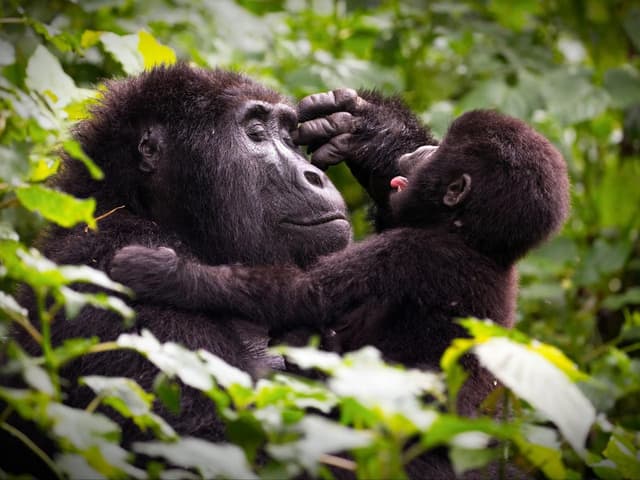
Uganda is home to over half of the world’s remaining mountain gorillas, making it one of the top destinations for ethical primate trekking. 🦍🌿 Trek through the misty forests of Bwindi Impenetrable National Park and come face-to-face with these majestic creatures in their natural habitat — a once-in-a-lifetime experience that supports conservation and empowers local communities. Beyond gorillas, Uganda offers golden monkey tracking, breathtaking landscapes, and warm cultural encounters, all woven into purpose-driven safaris that leave a lasting impact.
Highlights
Bwindi Impenetrable National Park hosts 18 habituated mountain gorilla groups and issues 144 daily tracking permits, which often need to be booked long in advance. The park’s steep jungle-swathed hills are exceptionally scenic, and faunal diversity includes 120 mammal species, most conspicuously black-and-white colobus and L’Hoest’s monkey. It’s a key birdwatching site, with 23 Albertine Rift Endemics listed among 350 recorded bird species.
Uganda’s other gorilla tracking venue, Mgahinga National Park protects a single habituated group on the bamboo-swathed northern slopes of the Virungas. Other activities include tracking the Endangered golden monkey and challenging day ascents to the volcanic peaks of Muhavura (13,540ft), Sabyinyo (12,037ft) and Gahinga (11,394 ft).
Uganda is home to an estimated 5,000 chimpanzees. The pick of several chimp tracking sites is Kibale Forest National Park, which also hosts 10 different types of monkey, most conspicuously black-and-white colobus, Ugandan red colobus, red-tailed monkey and the endemic Uganda mangabey.
Queen Elizabeth National Park is a contender for East Africa’s most biodiverse reserve, as reflected in a bird checklist of 600+ species, exceeding that of many national parks ten times its size. Highlights include the tree-climbing lions of the Ishasha sector and hippo-dodging boat trips on the Kazinga Channel, which attracts large herds of elephant and buffalo.
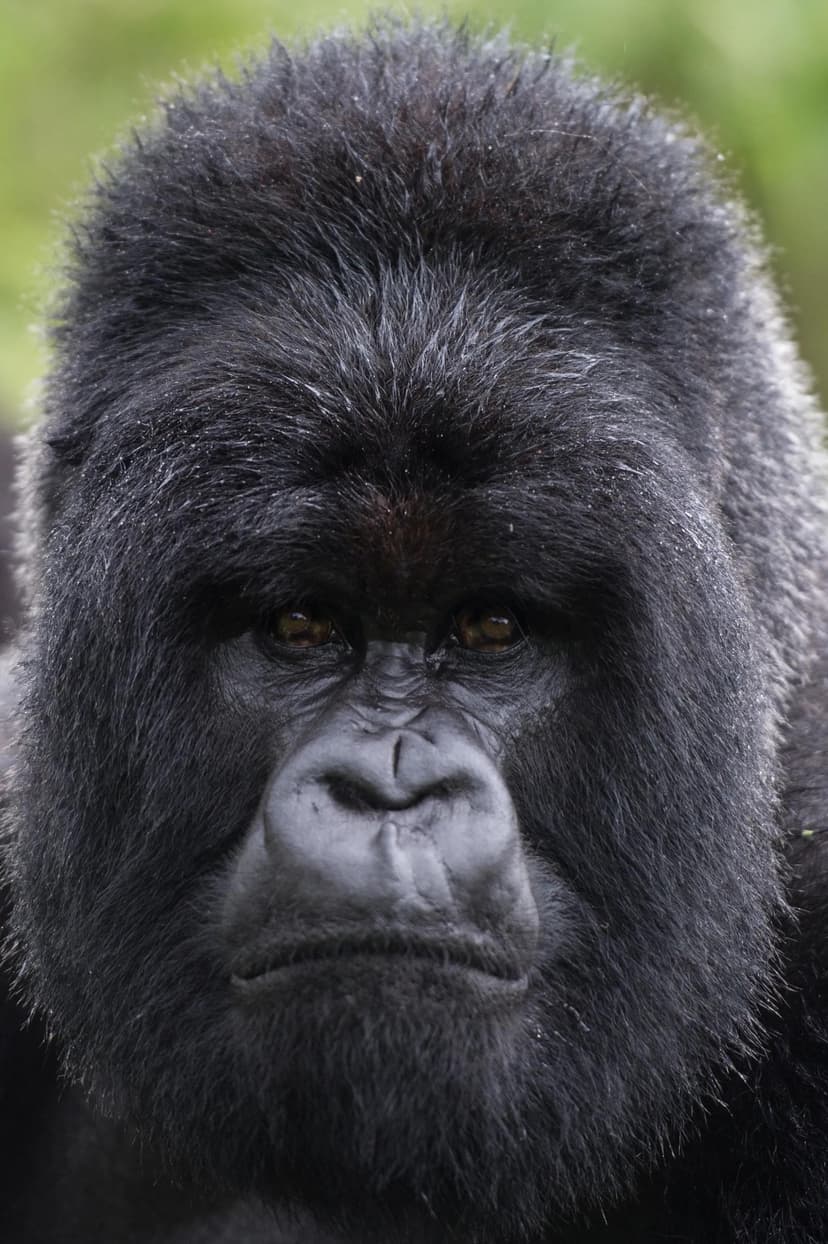
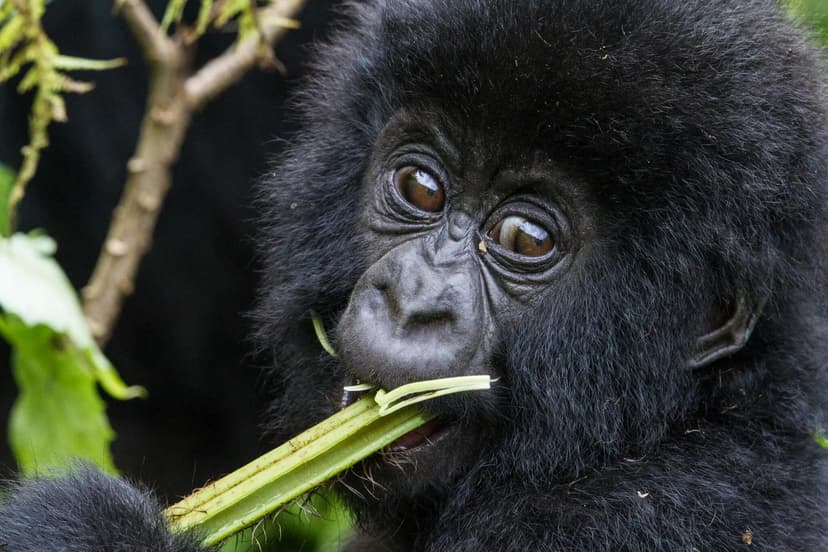
Roughly half the world’s mountain gorillas inhabit the highland forests of Uganda. And tracking these magnificent gentle giants through their natural habitat in Bwindi or Mgahinga National parks is truly a once-in-a lifetime experience, one that prompts many people to tag a short stop in Uganda onto a safari elsewhere in Africa. Uganda can also lay claim to hosting Africa’s most biodiverse safari destination, combining elements of the eastern savanna and western jungle with a wide variety of aquatic habitats and the lofty peaks of the volcanic Virungas and snowcapped Rwenzori. Uganda is probably Africa’s premier birdwatching destination, with more than 1,000 species recorded in an area smaller than the state of Oregon.
Photo Highlights

Uganda Flag
Practical Information
Practical Stuff
Getting there
All international flights to Uganda land at Entebbe International Airport, which stands on the Lake Victoria shore 25 miles south of the capital Kampala. There are no direct flights from the US, but several African, European and Middle Eastern airlines offer connections. Visitors whose Uganda itinerary is limited to tracking gorillas could think about flying into the Rwandan capital Kigali, which is significantly closer to Bwindi and Mgahinga.
Health and safety
Malaria is present in most parts of Uganda, the only exception being the higher reaches of the Rwenzori and Virunga Mountains. Malaria prophylactics are recommended to all visitors. Crime levels are low outside Kampala, and few tourists spend time in this city. Although Uganda now enjoys a high level of stability, the neighbouring Democratic Republic of the Congo and South Sudan remain volatile, so it might be worth checking the situation in border areas prior to your visit.
Itineraries
* Pricing is based on a group of 4 guests traveling together, and with each guest sharing accommodations with one other guest (i.e. double occupancy). Also, the cost per person will vary depending on the season / month of travel – for example, pricing will be higher during dates between Christmas Eve & New Year’s Day, as well as during other peak travel times.
What’s on the Menu
Uganda’s cuisine is hearty, flavorful, and deeply connected to its fertile landscapes and lakes. Guests can expect African staples such as matoke (steamed green bananas, often served with a rich peanut or meat sauce), posho (maize porridge), and fresh tilapia from Lake Victoria. Grilled meats, vegetable stews, and chapati bread—reflecting Indian influence—are also common on lodge menus.
The country’s year-round growing season brings an abundance of tropical fruits—mangoes, pineapples, papayas, and passion fruit—alongside fresh vegetables and legumes. Most lodges balance local specialties with , offering familiar options such as eggs, pastries, and cereals for breakfast, and international favorites like pasta, roast chicken, or vegetarian curries for lunch and dinner.
Uganda Travel Questions
How many days should I spend in Uganda?
We recommend 7–10 days for a well-rounded Uganda itinerary.
A popular structure includes:
- 2–3 nights in Bwindi for gorilla trekking
- 2–3 nights in Queen Elizabeth
- Optional chimpanzee trekking in Kibale
- Extension to Murchison Falls
Longer stays allow for deeper exploration and relaxed pacing.
What other wildlife can I see in Uganda?
Uganda offers more than gorillas. Key wildlife destinations include:
- Queen Elizabeth National Park – Famous for tree-climbing lions
- Murchison Falls National Park – Dramatic waterfall and Nile River wildlife
- Kibale National Park – Chimpanzee trekking
Uganda combines primate experiences with classic savannah safari.
Can I combine Uganda with other safari destinations?
Yes. Uganda pairs well with:
- Kenya or Tanzania for classic Big Five safaris
- Rwanda for extended primate experiences
Multi-country itineraries provide both savannah wildlife and rainforest primate encounters.
How difficult is chimpanzee trekking?
Chimpanzee trekking in Kibale is generally less strenuous than gorilla trekking, though it may involve walking through forest terrain.
Chimpanzees are highly active, and sightings often include dynamic group behavior.