Mozambique
Southern Africa

Travel Information
Travel to Mozambique
When to visit
The best time to visit is over the dry and relatively cool winter months of April to October. It is possible to visit in summer, but it can be uncomfortably hot, and rainfall is much higher, as is the risk of contracting malaria.
Visas and paperwork
US citizens require a valid passport and visa. Immigration rulings for Mozambique are notoriously ambiguous and changeable, so it is vital to obtain a visa in advance.
Did You Know?
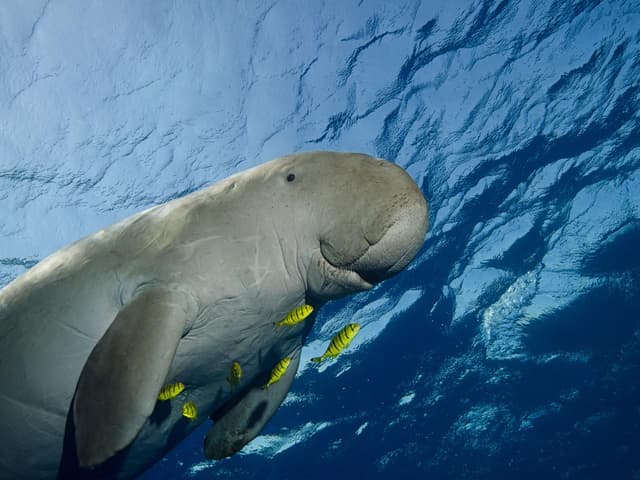
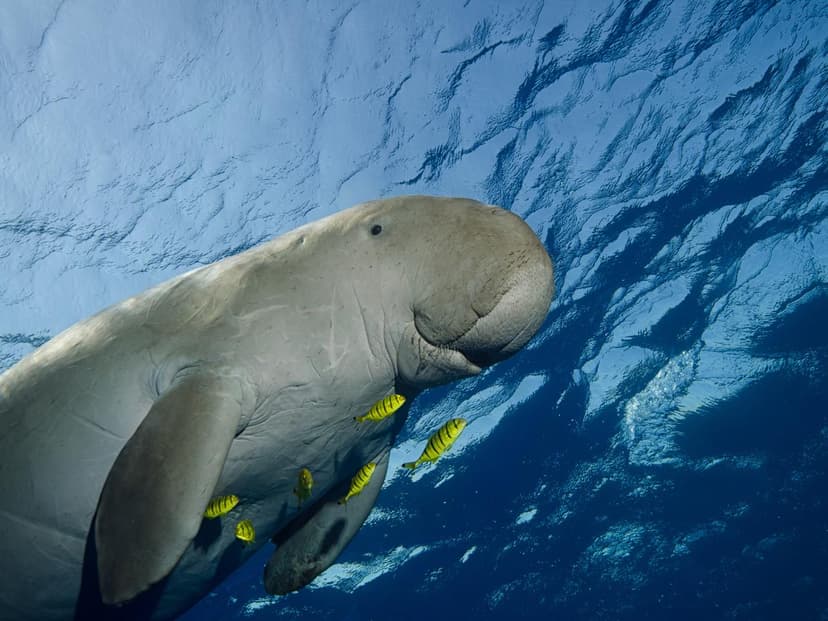
Mozambique is home to the world’s largest population of dugongs—rare, gentle sea creatures closely related to manatees—thriving in the protected waters of the Bazaruto Archipelago! 🐾🌊
Highlights
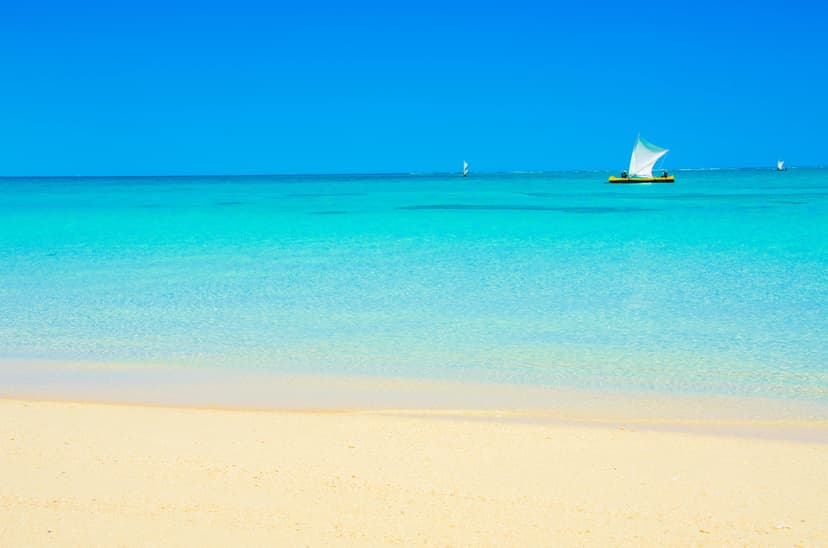
From Ponto do Ouro, sent below tall forested dunes on the border with South Africa, to sprawling Inhassoro 500 miles to the north, Mozambique’s uncrowded south coast beaches are invariably lovely. None more so perhaps then the unerringly beautiful Tofo Beach, where marine safaris offer the opportunity to see the gargantuan plankton-eating whale shark and manta ray.
Bazaruto National Park protects an offshore archipelago of small sandy islands and pristine coral reefs renowned for their world-class snorkeling and diving. Marine life includes whales, dolphins, turtles, and what is probably East Africa’s last viable population of the Endangered dugong.
The most characterful capital city in subequatorial Africa, Maputo possesses a unique Afro-Mediterranean cocktail of shady jacaranda and palm-lined avenidas, mismatched colonial architecture, and lively street and beach cafés serving fresh seafood and Portuguese-style peri-peri chicken.
A UNESCO World Heritage Site, Ilha do Moçambique, ipso facto capital of Portuguese East Africa from 1530 until 1898, is studded with centuries-old edifices, including the southern hemisphere’s oldest European-built fortress and church. This rich architectural legacy blends with a Swahili-influenced contemporary culture, making it a fascinating place to explore on foot.
Boasting 2,500km of tropical Indian Ocean frontage, Mozambique is first and foremost a beach destination, one often appended to safari itineraries to the landlocked likes of Botswana, Zambia and Zimbabwe. The innumerable palm-lined beaches of this Lusophone country are as attractive to sunbathers and swimmers as they are to snorkelers, divers and game fisherman, but the coast is also studded with historic ports, notably the time-warped former capital Ilha do Moçambique. As things stand, Mozambique doesn’t rank highly as a safari destination, but the potential is there, with Gorongosa National Park being the pick of a scattering of sanctuaries that also includes the vast but remote Niassa Reserve and more accessible Maputo Special Reserve.
Photo Highlights
Practical Information
Practical Stuff
Getting there
Most international flights land at Maputo International Airport (MPM), which has connections to most other cities in Mozambique. A popular option for the south coast is to fly into South Africa and self-drive from there; Maputo is only 70 miles from the Kruger Park on a good surfaced road.
Health and safety
Malaria is present and it is essential to take prophylactic drugs. Street crime is prevalent in Maputo; avoid walking after dark and carrying any unnecessary valuables. Police in Mozambique have a reputation for trying to secure bribes from self-drive visitors. The far north of Mozambique, an area seldom visited by tourists, is currently experiencing an outbreak of violent Islamic extremism and should be avoided. Politically motivated banditry has been a sporadic concern in the vicinity of Gorongosa National Park, so check the current situation before heading this way
Itineraries
* Pricing is based on a group of 4 guests traveling together, and with each guest sharing accommodations with one other guest (i.e. double occupancy). Also, the cost per person will vary depending on the season / month of travel – for example, pricing will be higher during dates between Christmas Eve & New Year’s Day, as well as during other peak travel times.
What’s on the Menu
In Mozambique, dining is as much a part of the journey as the safari itself. Guests can expect a rich mix of local flavors and Western comfort dishes. Fresh seafood takes center stage—think grilled prawns, lobster, and calamari—often served with peri-peri marinades, coconut-based curries, or fragrant rice. You’ll also find Portuguese influences in dishes like pão (bread rolls) and peri-peri chicken, reflecting the country’s colonial heritage.
For those preferring more familiar flavors, most lodges and resorts offer Western-style breakfasts (eggs, fresh fruit, cereals, baked goods) and international lunch/dinner options alongside local specialties. Vegetarian and special dietary needs can usually be accommodated with advance notice.
Mozambique Travel Questions
Is Mozambique family-friendly?
Mozambique is best suited for couples and older children due to remote island access and water-based activities.
Some resorts offer family villas, but logistics may be more complex than destinations like Mauritius.
We match families carefully with appropriate properties.
Is Mozambique suitable for honeymooners?
Yes. Mozambique is one of Africa’s most romantic island destinations.
Expect:
- Private beachfront villas
- Secluded dining experiences
- Sunset dhow cruises
- Spa and wellness retreats
Its remote nature makes it especially attractive for honeymoon and anniversary travel.
Where are the best beach destinations in Mozambique?
Mozambique’s top coastal regions include:
- Bazaruto Archipelago – Luxury island resorts and marine conservation areas
- Quirimbas Archipelago – Remote, barefoot-luxury escapes
These archipelagos offer exceptional marine biodiversity and ultra-private accommodations.
Can Mozambique be combined with South Africa or Botswana?
Yes. Mozambique pairs particularly well with:
- South Africa safaris
- Botswana safaris
- Zimbabwe and Victoria Falls itineraries
Regional flights make the transition from bush to beach seamless.