
Travel Information
Travel to Kenya
When to visit
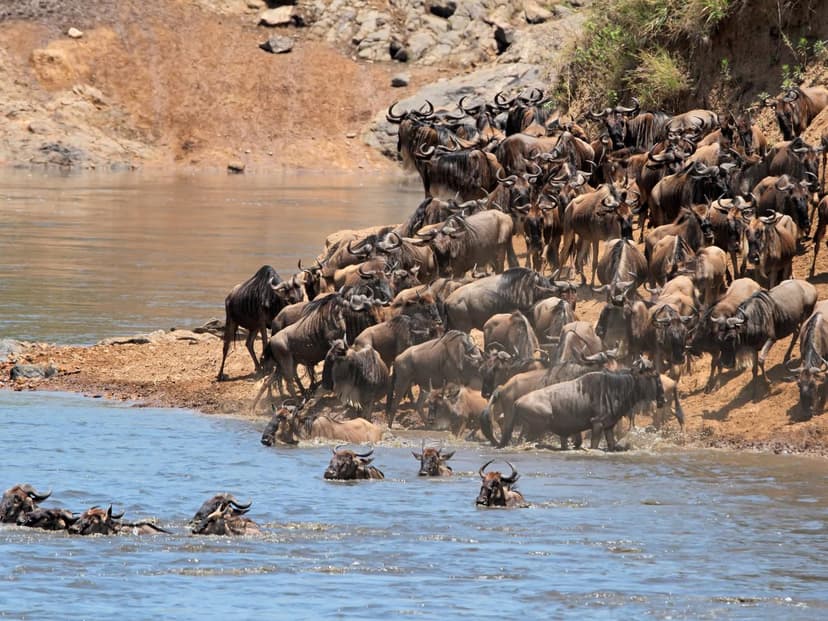
Kenya can be visited at any time of year, though the peak rainy season of April and May is best avoided. The driest and coolest months of late July through to early October usually coincide with the presence of the wildebeest migration in the Masai Mara. These months generally offer the best wildlife viewing, but they also tend to be busy, so budget conscious travelers who prefer to avoid the crowds might opt to visit Kenya at another time of year.
For travelers seeking a more exclusive experience, this journey can also be tailored as part of our luxury African safaris, combining Kenya’s iconic wildlife with premium lodges and seamless travel.
Visas and Paperwork
American citizens require a visa to enter Kenya. It is advisable to arrange an e-visa online in advance. This costs US$51, and usually takes two working days to process.
Did You Know?
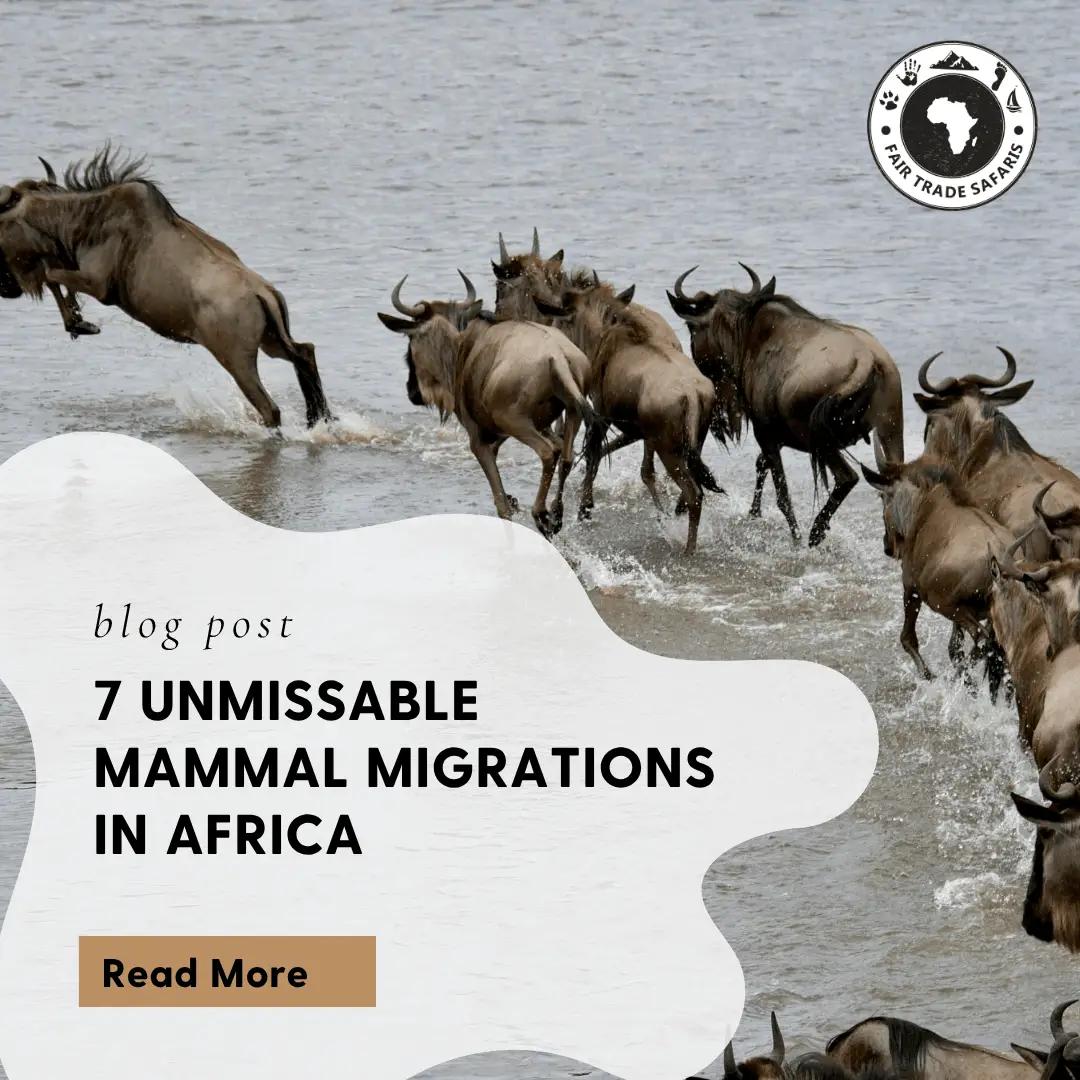
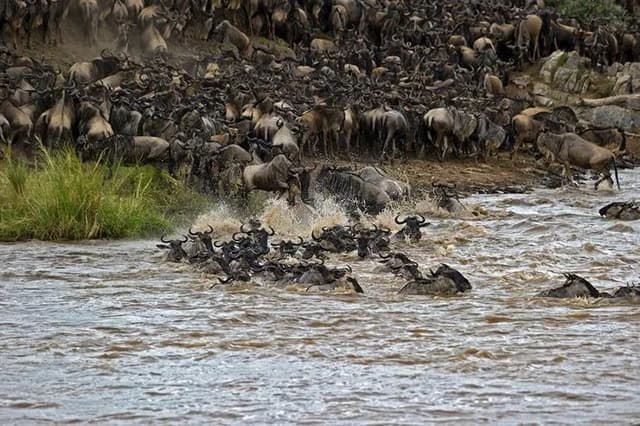
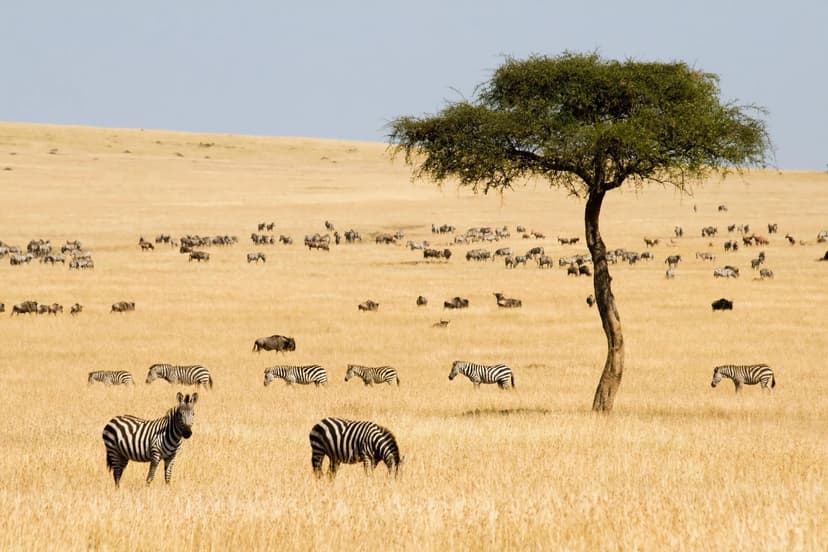
The Serengeti-Mara’s defining feature is the annual migration of up to two million wildebeest. The drama of the migration is encapsulated by the river crossings that occur in the Masai Mara between late July and October. It’s a breathtaking, adrenaline-charged spectacle, and highly perilous for the participants, who must weave past crocodiles that sit gape-mouthed in the water and lions that lurk hungrily on the opposite bank in order to survive.
Highlights
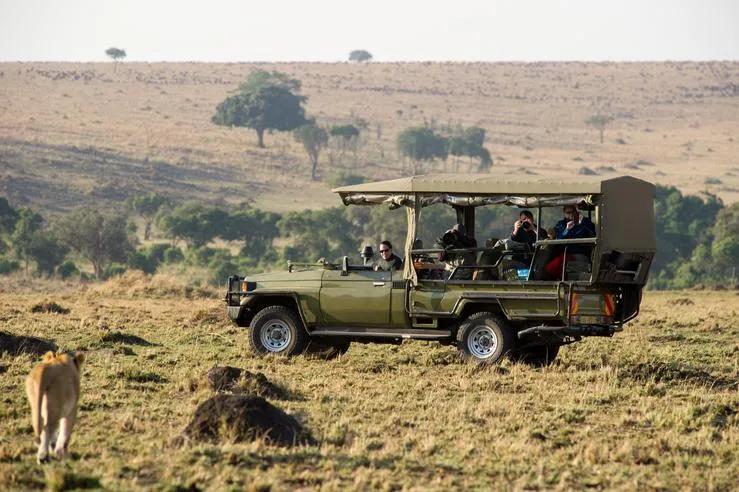
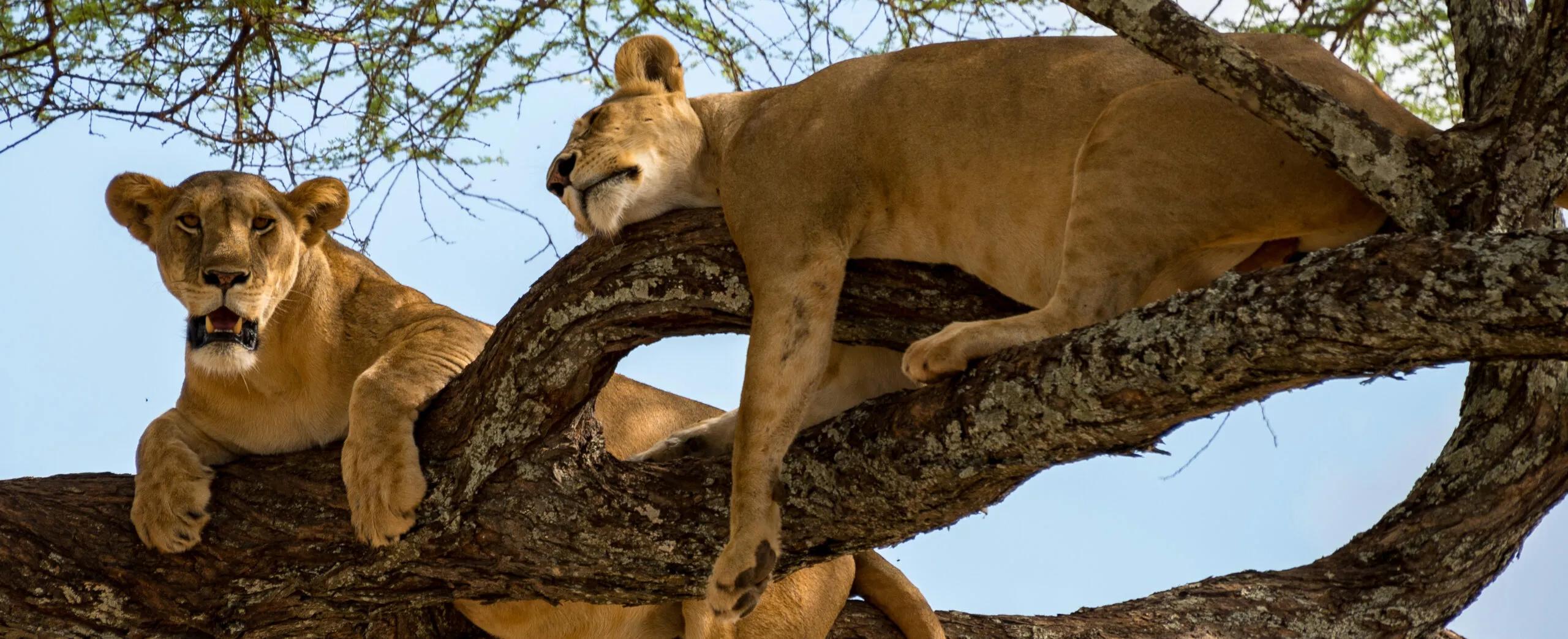
- Setting for the TV documentary Big Cat Diaries, the Maasai Mara ranks among the best and most popular big five Safari destinations anywhere in Africa. Famed for its incredible densities of large carnivores, it also hosts the annual wildebeest migration over August and September.
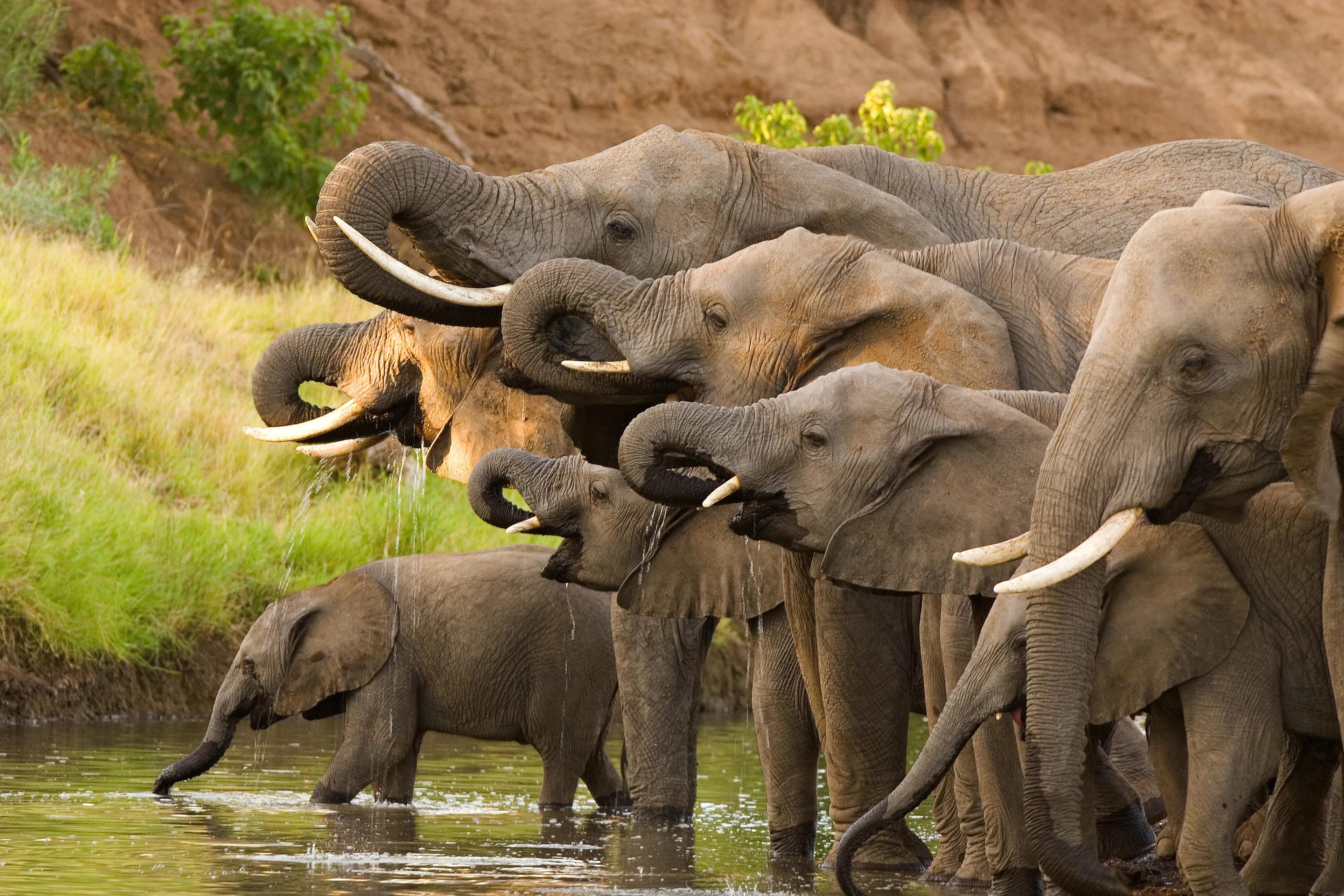
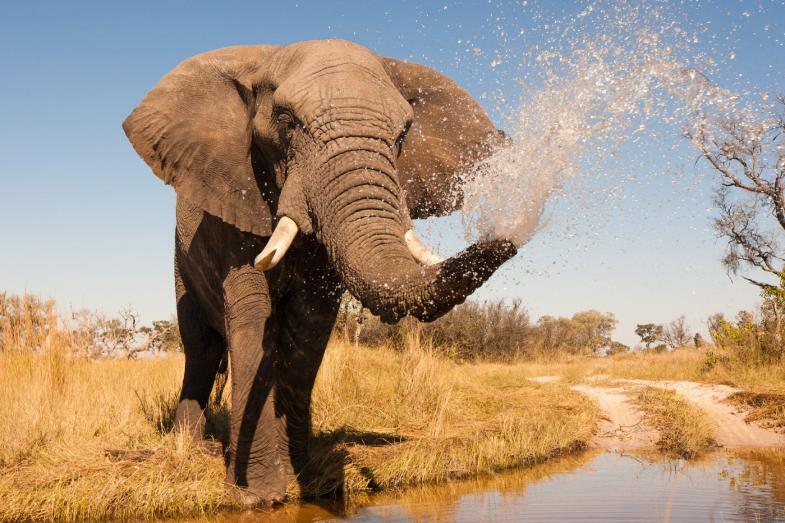
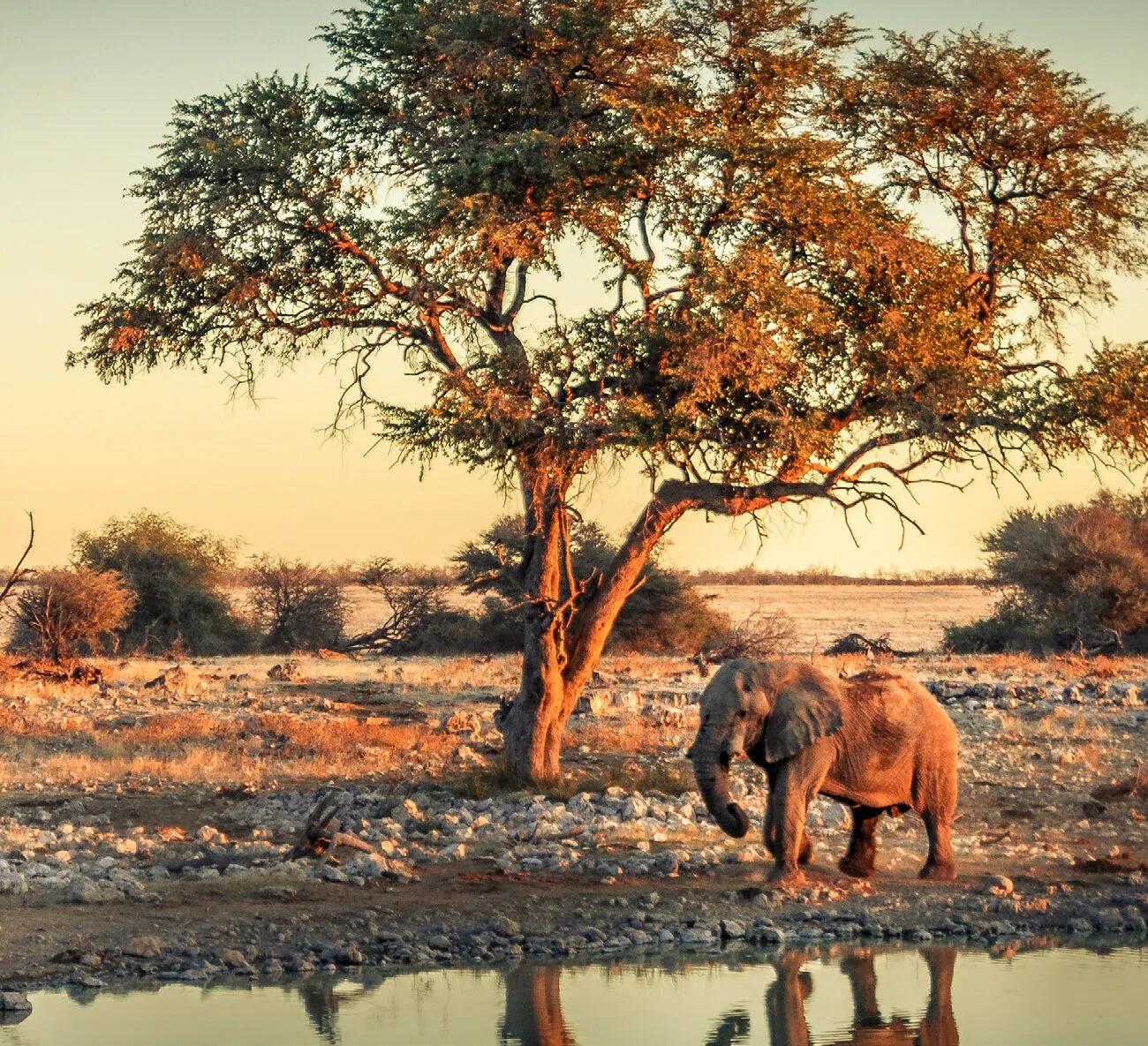
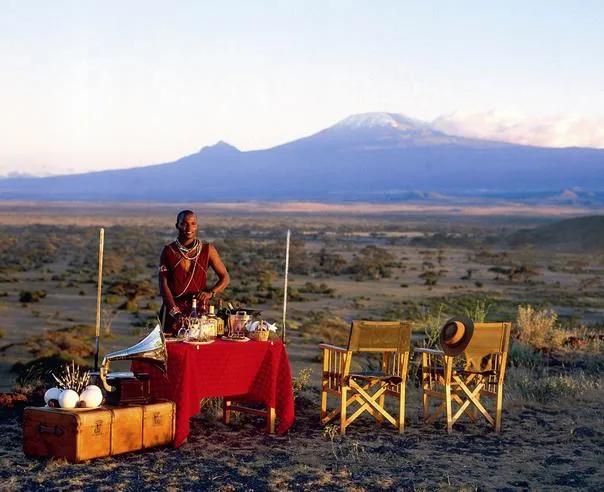
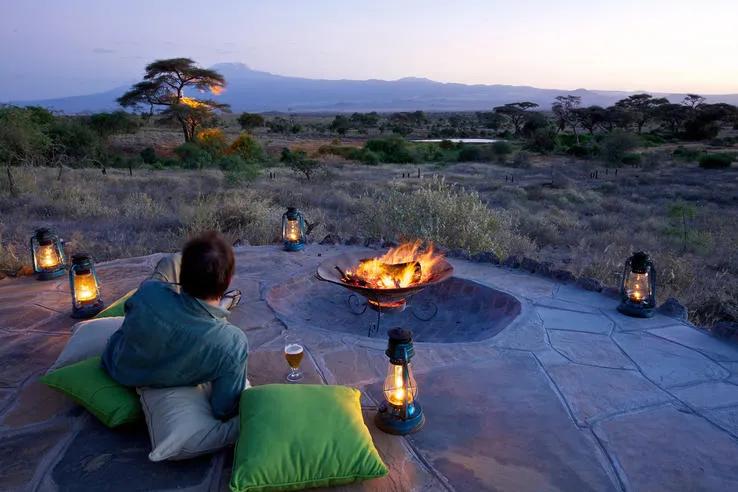
- Amboseli National Park is the place to see large herds of elephants marching across the plains below the magnificent snowcapped outline of Kilimanjaro.
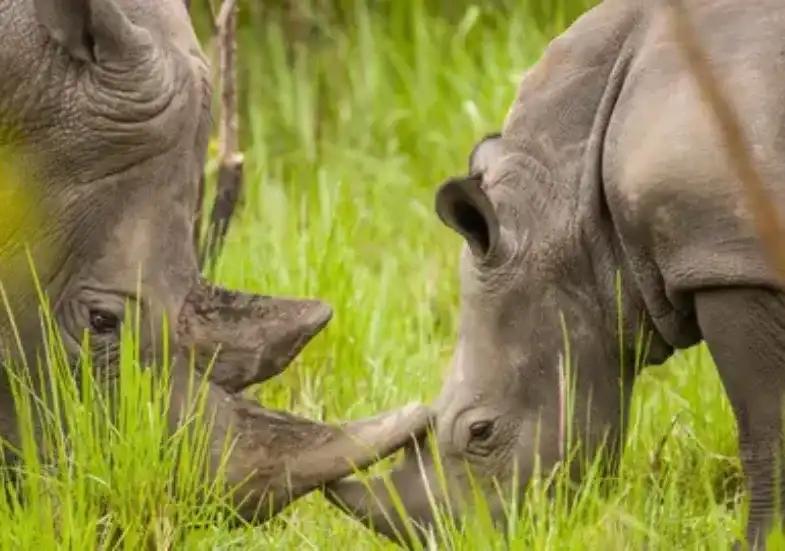
- Set below the glacial peaks of Mount Kenya, Ol Pejeta is a non-profit Big Five private reserve that houses Kenya’s largest black rhino population and only chimpanzee sanctuary
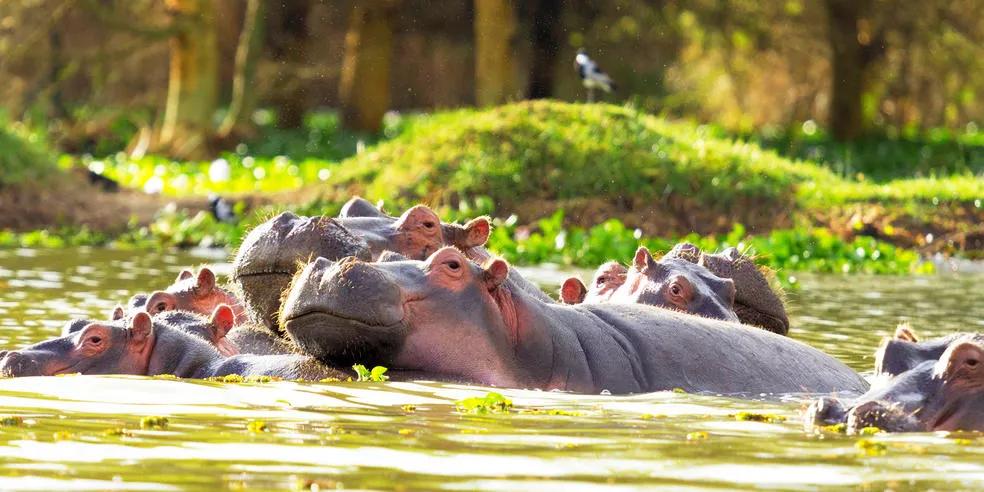
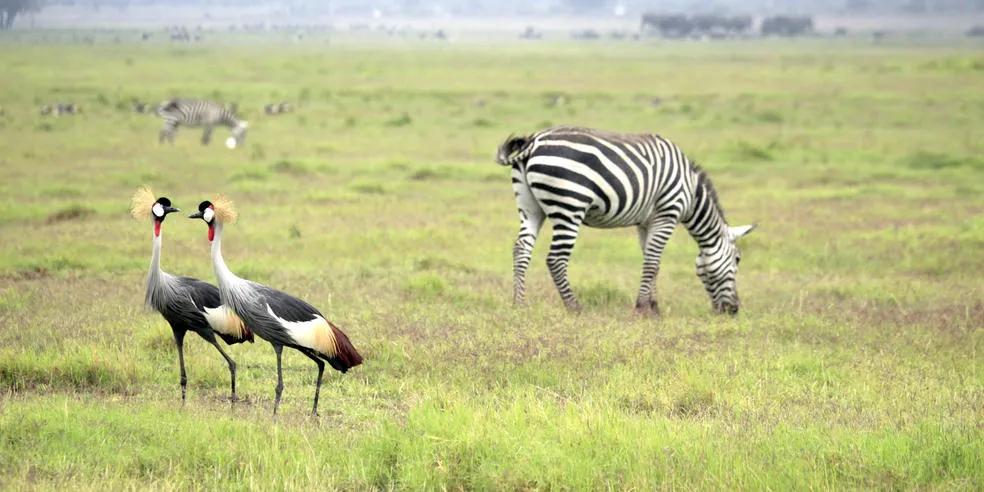
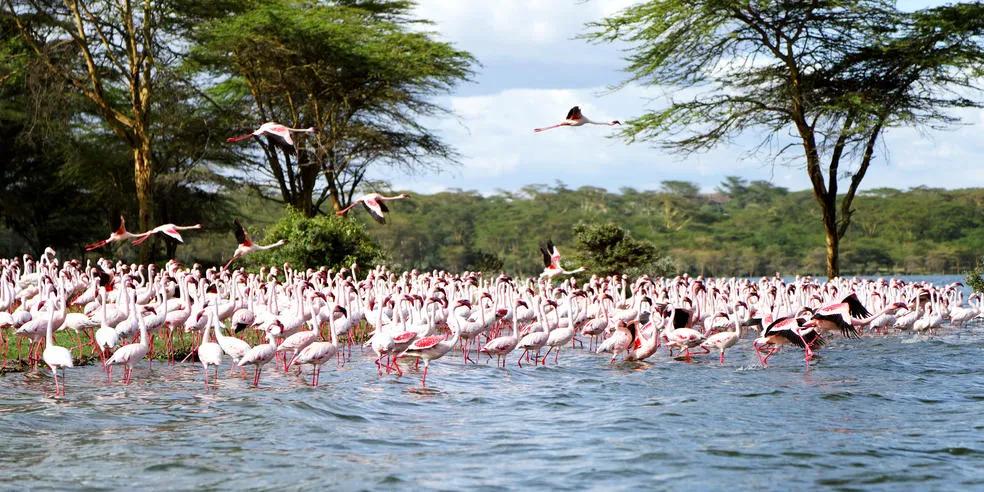
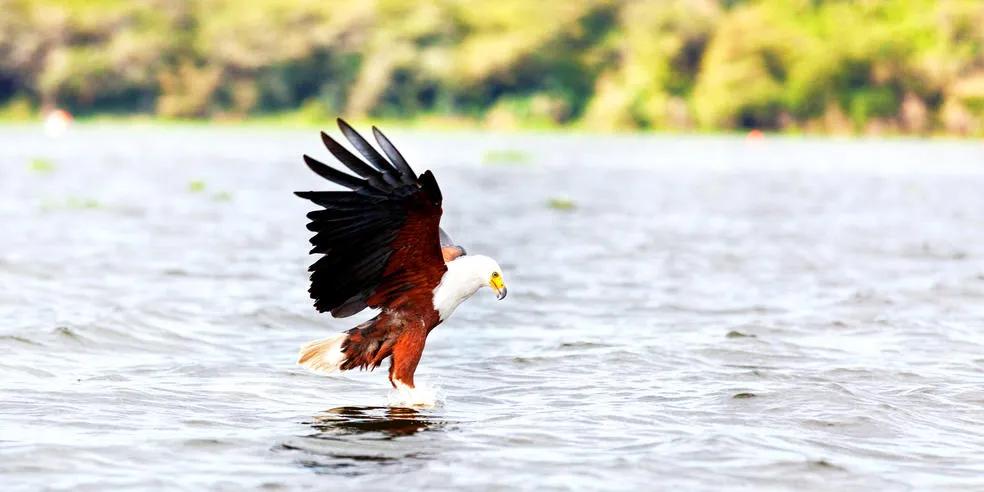
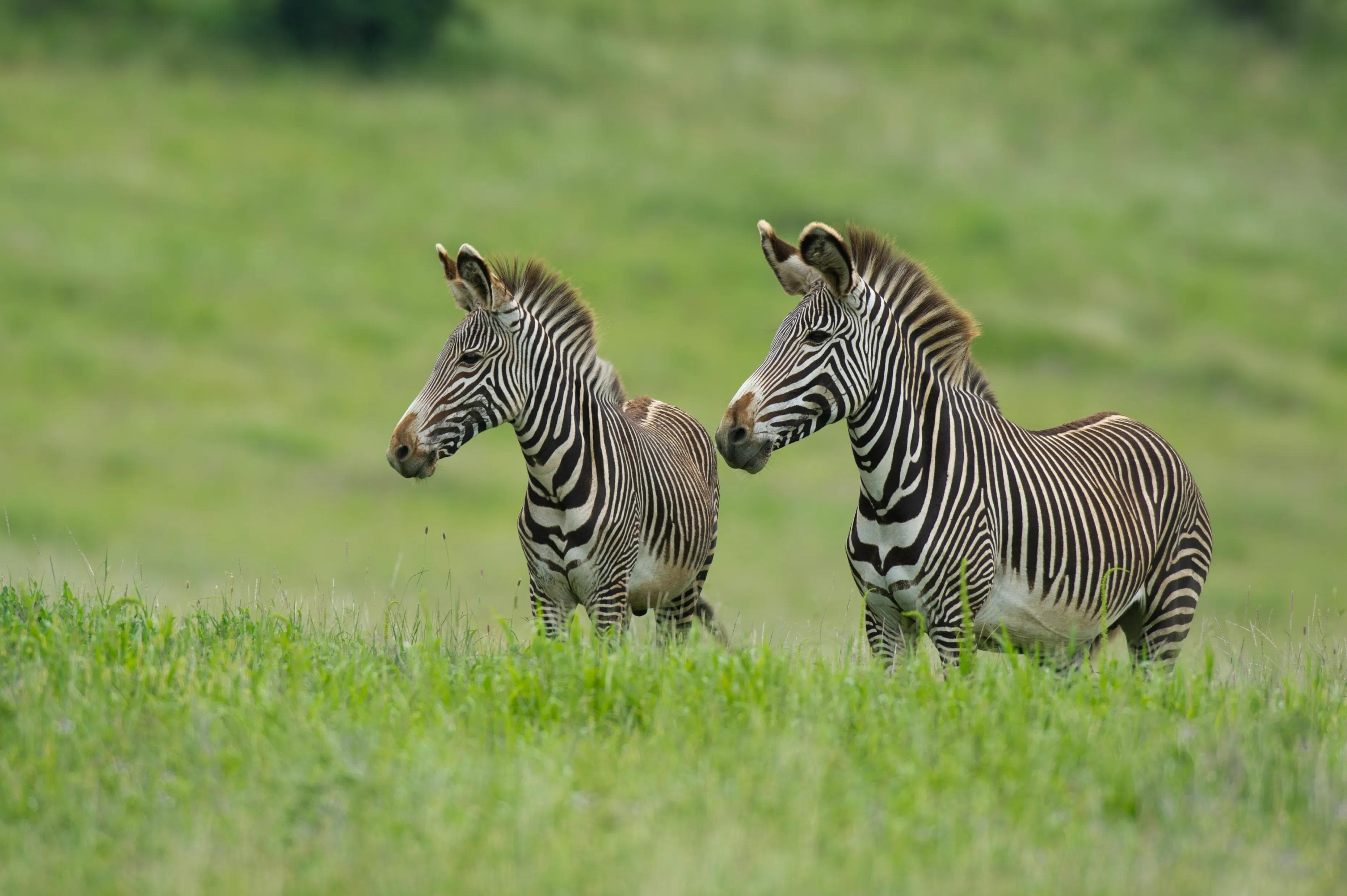
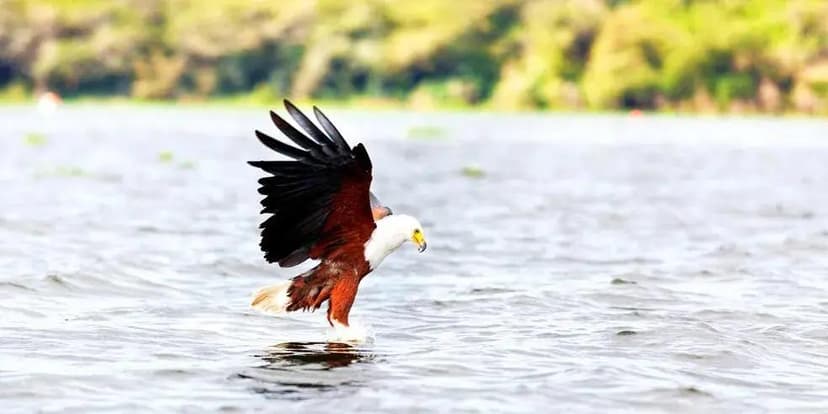
- Other popular and unique safari destinations include Tsavo East and West (for a less crowded safari experience), Samburu/Buffalo Springs (home to dry country specialist such as Grevy’s zebra and reticulated giraffe), Meru (made famous by born free, the Jo Adamson book and film’s that documented the life of Elsa the lioness), and Lake Naivasha & Lake Nakuru (for stunning birdwatching).
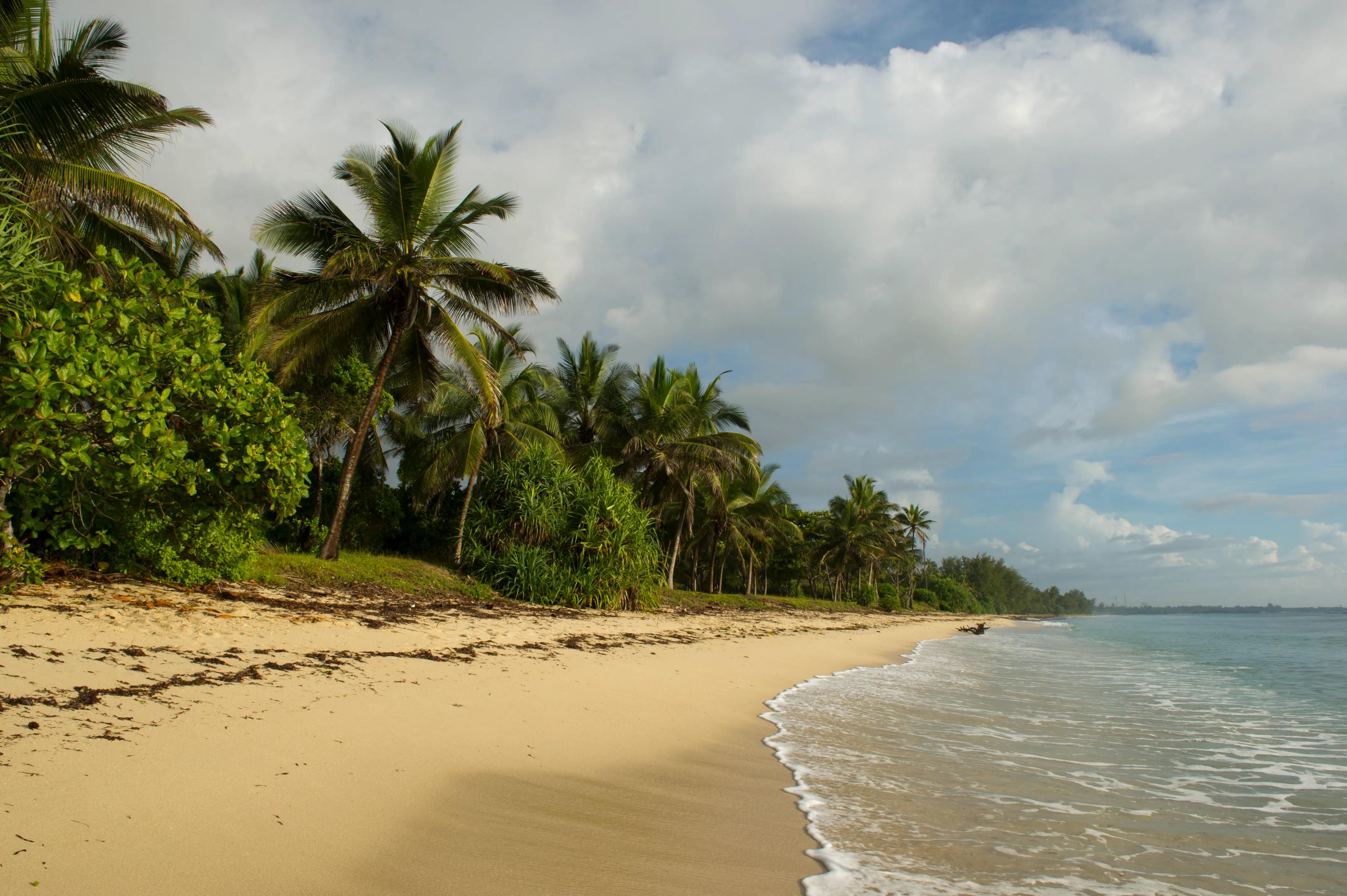
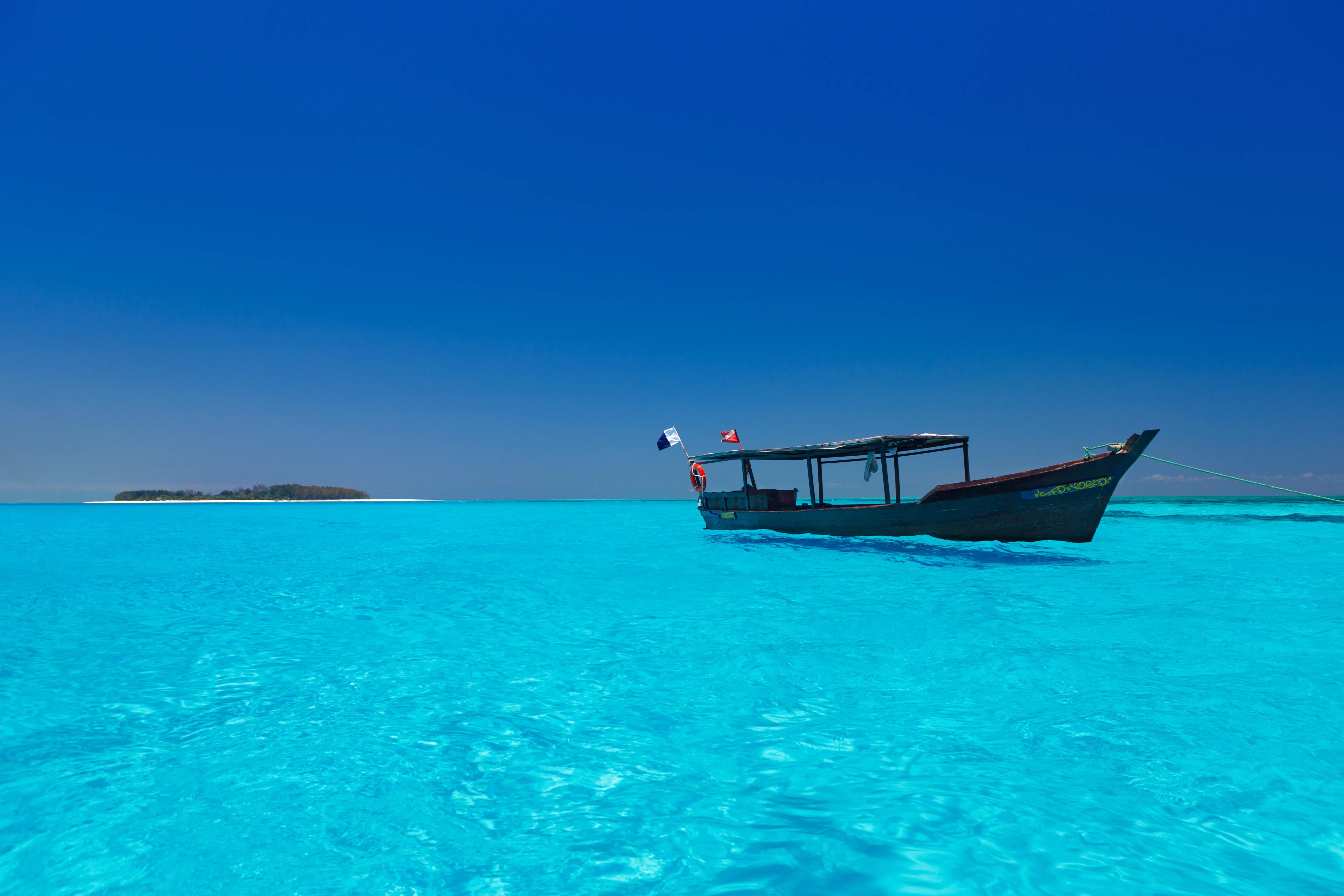
- The historic port of Mombasa is flanked by some of East Africa's most alluring beach resorts whether you’re there for the sunbathing and swimming, or to snorkel and dive on biodiverse, offshore coral reefs.
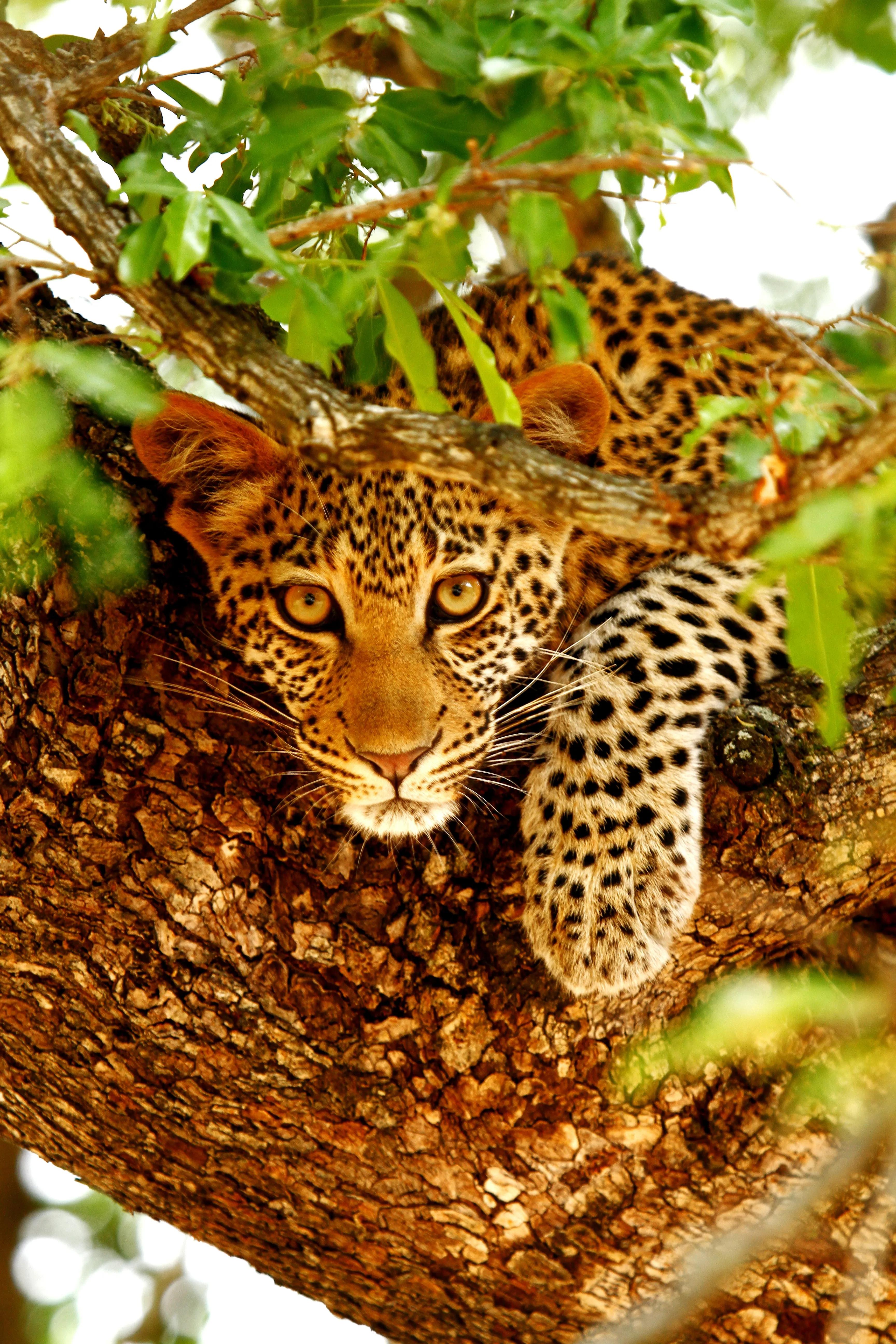
From the tropical beaches that line its glorious Indian Ocean coastline to the gaping mile-deep schism of the Great Rift Valley, Kenya is a country of immense natural beauty and diversity. The original home of the safari, it remains a great all-round wildlife-viewing destination, supporting good numbers of all the legendary ‘Big Five’: elephant, rhino, buffalo, leopard, and lion. With amenities that cater to everyone from budget-conscious young travelers and families to honeymooners, Kenya undoubtedly offers the ultimate “Out of Africa” safari experience.
Photo Highlights
Practical Information
Practical Stuff
Getting there
The main port of entry to Kenya is Jomo Kenyatta International airport (NBO) on the outskirts of Nairobi. There are also international flights to Mombasa’s Moi International Airport (MBA). Several Middle Eastern, European and African carriers operate flights between the USA and Kenya.
Health and Safety
The main health concern is malaria. Take prophylactic drugs and cover up at night. Nairobi is a notorious crime hotspot, so it is safest to explore it accompanied by a reliable local guide and you should use taxis if you leave your hotel after dark.
Itineraries
* Pricing is based on a group of 4 guests traveling together, and with each guest sharing accommodations with one other guest (i.e. double occupancy). Also, the cost per person will vary depending on the season / month of travel – for example, pricing will be higher during dates between Christmas Eve & New Year’s Day, as well as during other peak travel times.
What’s on the Menu
Kenya’s cuisine is a flavorful mix of African traditions, Indian influences, and fresh coastal ingredients. Guests can expect local favorites such as nyama choma (grilled meat, often goat or beef), fragrant pilau rice with spices, and hearty stews served with ugali (maize porridge) or chapati bread. Along the coast, Swahili dishes—rich with coconut, fresh seafood, and aromatic spices—bring a distinct East African flair.
Many lodges and safari camps offer Western comfort dishes alongside local specialties, ensuring a balance of familiar flavors and authentic Kenyan tastes. Breakfasts typically feature fresh tropical fruit, pastries, eggs to order, and Kenya’s world-famous coffee or tea. Dinners may include game meats, roast poultry, vegetarian curries, or pasta, often prepared with locally sourced, seasonal ingredients.
Special dietary requirements can be accommodated with prior notice, and dining experiences may include bush breakfasts or sundowner canapés in the wild—making every meal part of the safari adventure.
Explore Other Destinations
Kenya Travel Questions
Is Kenya good for photography safaris?
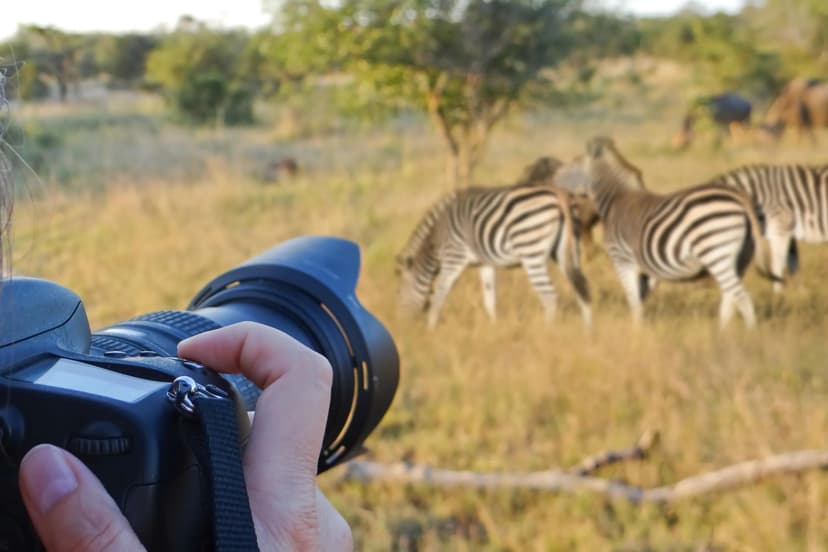
Yes. Kenya’s open plains, strong predator activity, and dramatic skies make it one of Africa’s best photography destinations.
The Masai Mara’s flat terrain provides unobstructed wildlife viewing, while Amboseli offers iconic elephant silhouettes against Mount Kilimanjaro.
Private vehicles enhance photographic flexibility.
What are the top safari destinations in Kenya?
Kenya’s premier safari regions include:
- Masai Mara National Reserve – Famous for the Great Migration and big cats
- Amboseli National Park – Elephants with Mount Kilimanjaro views
- Samburu National Reserve – Rare northern species
- Ol Pejeta Conservancy – Leading rhino conservation area
Each region offers distinct landscapes and wildlife densities.
Can I combine safari with the Kenyan coast?
Yes. Many travelers combine safari with time along Kenya’s Indian Ocean coastline.
Popular destinations include:
- Diani Beach – White sand beaches and luxury resorts
- Lamu Island – Historic Swahili architecture and tranquil charm
This safari-and-sea combination creates a balanced 10–14 day journey.
What is a conservancy safari in Kenya?
Private conservancies border national reserves and offer a more exclusive safari experience.